









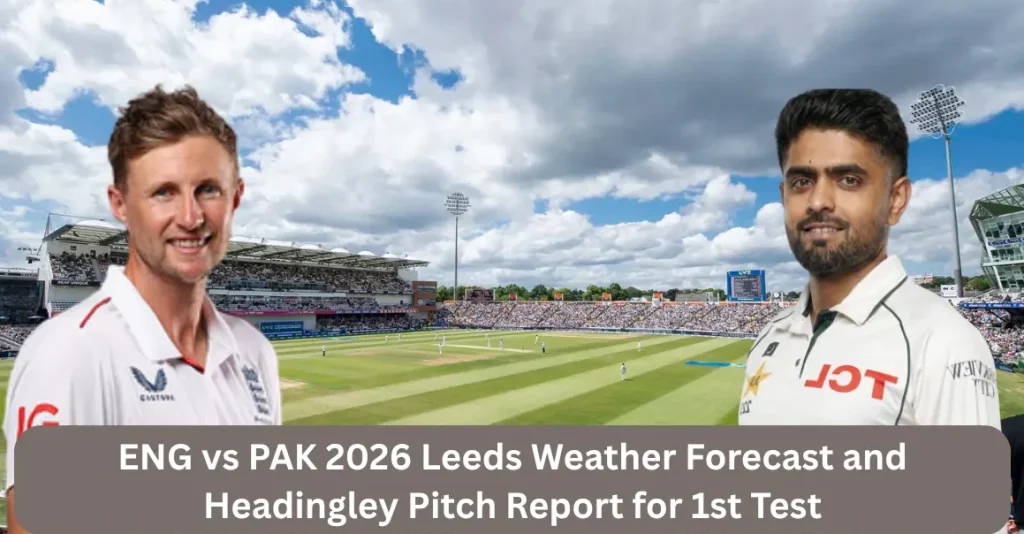
At Headingley in August 2026, England produced one of those rare, almost theatrical moments that cricket occasionally conjures up when nobody is quite expecting it. Two of the country’s leading seamers, Josh Tongue and Ollie Robinson, each ripped through the opposition to claim a five-wicket haul in the same match. That alone would have been the story. But what happened next, the question of who actually gets to take the match ball home, produced a solution so wonderfully simple and so perfectly in the spirit of two teammates who refuse to be divided, that it has quickly become one of cricket’s most talked-about moments of the summer.
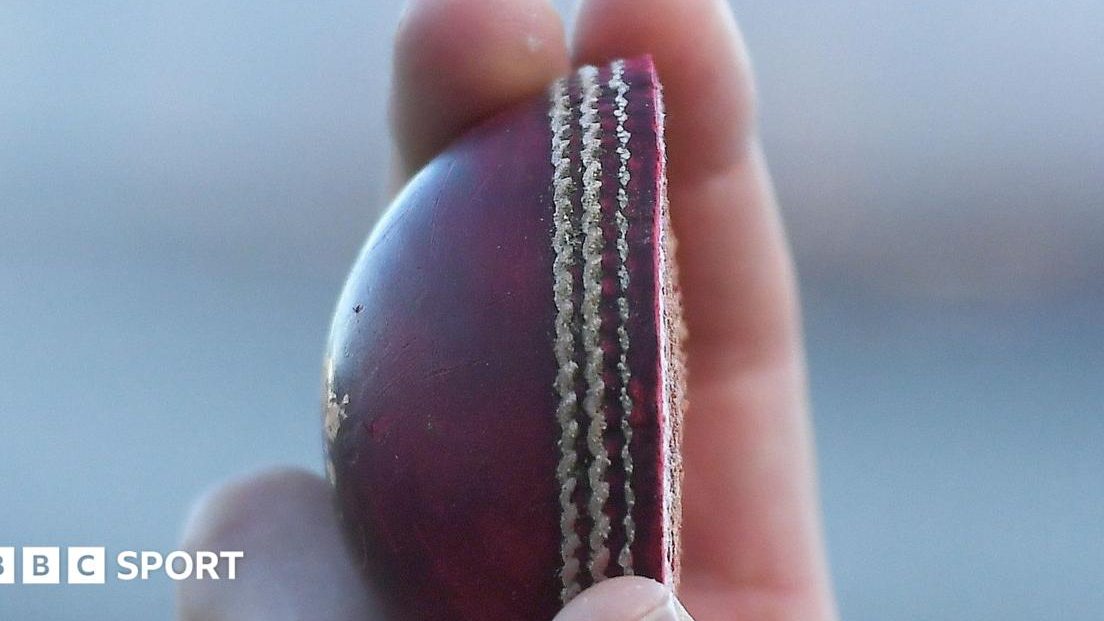
They cut the ball in half. Straight down the middle. One half for Tongue, one half for Robinson. Problem solved.
The Rarest of Achievements, Doubled
A five-wicket haul in Test cricket is serious business. Bowlers can go entire careers without one. It earns you the match ball as a keepsake, a trophy that sits on a shelf and tells the story of a day when everything clicked. Pace, movement, timing, nerve. So when two bowlers from the same team both hit that landmark in the same game, the logistics of who keeps the single ball suddenly become genuinely complicated.
Tongue and Robinson did not argue about it. They did not draw straws or flip a coin. Instead, as reported by the BBC, they agreed on a solution that is both practical and, frankly, kind of iconic. The ball was cut in half, each seamer walking away with his own piece of history. It is the sort of thing that sounds like a joke until you realise it is exactly what happened, and then it becomes the only logical answer.
Why This Moment Matters Beyond the Scorecard
Cricket is a sport that loves its traditions, its rituals, its unspoken codes. The match ball given to a five-for bowler is one of those rituals. It is earned, not handed out. So the idea of literally dividing one between two deserving players carries a certain poetry that the sport’s historians will appreciate.
There is also something telling about the dynamic between Tongue and Robinson here. These are two bowlers who work as a unit, building pressure from both ends, setting batters up for each other. The fact that their response to a potential dispute was collaborative rather than competitive says something about the culture England has built within their bowling attack. No ego, no drama. Just a saw and a shared appreciation for an extraordinary day’s work.
Josh Tongue: A Bowler Coming Into His Own
Tongue has been one of English cricket’s more exciting fast bowling prospects for several years, a tall seamer with the ability to extract uncomfortable bounce and generate genuine pace. Five wickets at Headingley, a ground with a reputation for favouring seamers who can hit the pitch hard, represents the kind of performance that cements a player’s standing in a team. It is the sort of day that gets replayed, dissected, and remembered.
Ollie Robinson: The Craftsman at His Best
Robinson operates on a slightly different frequency. Where some bowlers rely on raw speed, Robinson has built his reputation on precision, on swinging the ball late, on reading a batter’s weaknesses and being patient enough to exploit them. A five-wicket haul from Robinson is rarely spectacular in the highlight-reel sense. It is methodical, clinical, and quietly devastating. At Headingley, he was exactly that.
The Ball as Symbol
There is a broader conversation lurking here about what sporting memorabilia actually means. Players fight over match balls, signed jerseys, goal-scoring records, all because these objects become physical proof that something extraordinary happened. They are tangible links between a performance and the memory of it.
Cutting the ball in half technically destroys the object itself. But it creates something more interesting: two unique relics, each incomplete without the other, that together tell a story no single intact ball could match. In years to come, if either player pulls their half-ball off the shelf to show someone, the first question will be where the other half is. And that question is the story. That is the moment.
England’s bowling unit has produced plenty of individual brilliance in recent years, but this particular chapter at Headingley stands apart. Not because of the wickets themselves, though they were exceptional, but because of the way two professionals handled a genuinely unusual situation with humour, generosity, and a lack of pretension that is refreshing in modern sport.
A Moment Cricket Will Not Forget Quickly
English summers at Headingley tend to produce drama. The ground has a long history of hosting matches that do not follow a neat script, days when the unexpected becomes the norm. What Tongue and Robinson added to that history is not a dramatic last-wicket stand or a miraculous run chase. It is something smaller and stranger and somehow more endearing: a ball in two pieces, shared between two men who both absolutely deserved it.
Sport at its best is not only about what happens on the field. It is about the human moments that surround the action, the decisions made in the dressing room, the gestures between teammates, the unscripted details that no match programme could predict. This is one of those moments.
So here is a question worth sitting with: in a world where every sporting achievement is immediately ranked, debated, and turned into content, is there something quietly radical about two elite athletes simply choosing to share? And what does that say about how we value winning versus how we value each other?