









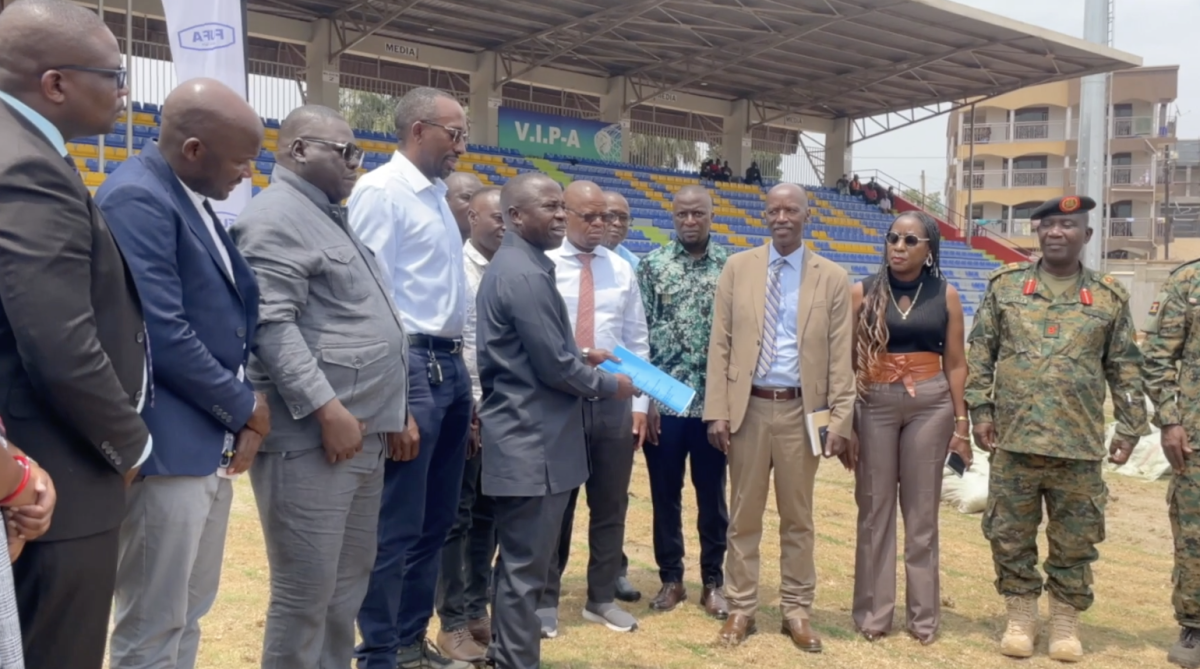
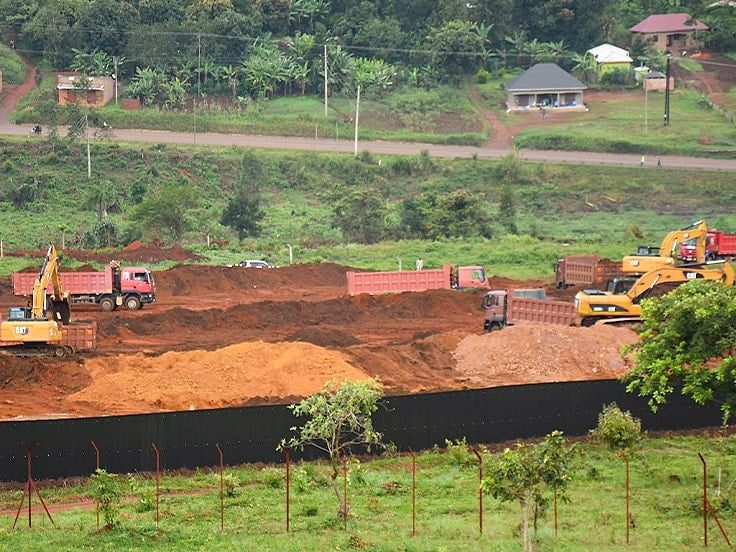
Uganda is getting serious about its hosting duties. The government has committed 5.1 billion shillings to complete and upgrade the FUFA Kadiba Stadium, with the Uganda People’s Defence Forces (UPDF) now at the helm of the project. The facility, one of the country’s designated training grounds for the 2027 Africa Cup of Nations, is undergoing a significant overhaul as East Africa prepares to welcome the continent’s premier football competition.
Why Kadiba Stadium Matters for AFCON 2027
The 2027 Africa Cup of Nations is a joint hosting affair, shared between Uganda, Kenya, and Tanzania. It is a historic moment for the region, marking the first time East Africa has collectively staged a tournament of this magnitude. Every training pitch, every changing room, every square metre of green grass counts when continental football’s spotlight is this bright.
Kadiba Stadium was originally built by the Federation of Uganda Football Associations (FUFA) using funding from a FIFA grant. It was always intended as a development facility, a place where grassroots football and national team preparation could coexist. Its designation as one of the official AFCON 2027 training grounds has now elevated its profile considerably, and with that comes the pressure to meet Confederation of African Football standards before the tournament kicks off.
According to NTV Uganda, the UPDF has formally taken over the upgrading project, signalling that this is no longer simply a football federation undertaking. It is now a state priority.
The UPDF’s Role in Infrastructure Development
It may raise an eyebrow or two to see a military institution managing a football stadium upgrade, but Uganda’s armed forces have a longer track record in civilian construction than most people realise. The UPDF has been involved in various national infrastructure projects over the years, often deployed where speed, discipline, and logistical capacity are non-negotiable. When a deadline is tied to an international event of this stature, handing the reins to an institution with that kind of operational muscle makes a certain kind of sense.
The 5.1 billion shilling budget is substantial, reflecting not just construction costs but also the expectations that come with hosting international football teams. Training facilities at a tournament like AFCON need to accommodate full squads, coaching staff, medical teams, and media. Pitch quality, floodlighting, changing facilities, and security infrastructure all factor into the bill.
Uganda’s Broader AFCON 2027 Preparations
Kadiba is just one piece of a much larger puzzle. Uganda’s share of the joint hosting responsibilities means the country needs to ensure its stadiums, training grounds, hotels, and transport links are all operating at a level that befits a continental championship. The pressure is real and the clock is ticking.
For Ugandan football fans, this tournament represents far more than logistics. It is a chance to watch some of the continent’s finest players on home soil, potentially including the Uganda Cranes themselves, should they qualify. The atmosphere that could fill an upgraded Kadiba during a training session open day, or even the electric noise of match day at a full national stadium, is the kind of thing that stirs national pride in a way very few events can.
FUFA’s original vision in building Kadiba was to create infrastructure that outlasts any single tournament. The upgrades now being carried out should, in theory, leave the facility in far better shape for domestic football development once the AFCON circus moves on.
What to Watch as the Project Moves Forward
The timeline is tight. With the tournament scheduled for 2027, contractors and project managers have a fixed window to complete works to an international standard. Any delays, whether from procurement issues, weather, or logistical bottlenecks, could create serious headaches for Uganda’s hosting credentials.
Transparency around how the 5.1 billion shillings is spent will also matter. Large infrastructure budgets tied to high-profile events have, across African football history, attracted scrutiny over procurement processes and delivery standards. Uganda’s football community and the broader public will be watching closely to ensure the investment translates into a facility that genuinely serves the game long after the final whistle of AFCON 2027 is blown.
The UPDF’s involvement adds a layer of accountability that carries its own weight. Military-led projects in Uganda typically operate with strict chain-of-command oversight, which could work in the project’s favour when it comes to keeping timelines and budgets in check.
One thing is clear: Uganda means business. The region is gearing up for a football festival that could redefine how East Africa is perceived on the continental stage, and Kadiba Stadium is now very much part of that story. Will the upgrades be delivered on time, to standard, and in a way that leaves a lasting legacy for Ugandan football? That question will be answered long before the first team bus rolls in for training in 2027.