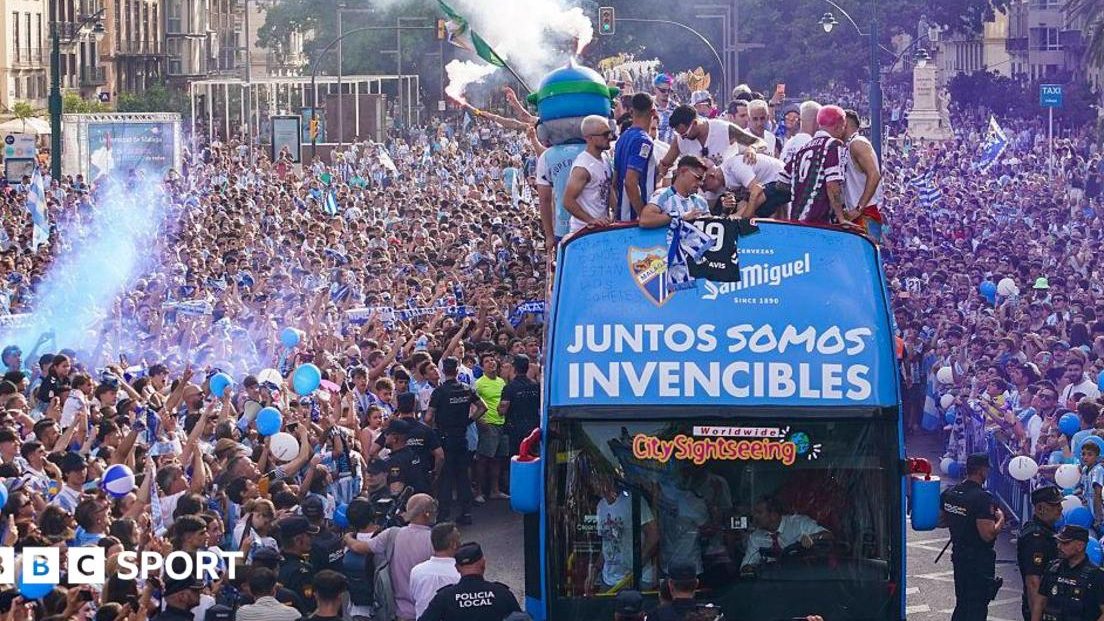
Once upon a time, Malaga CF were beating AC Milan in the Champions League. Fast forward nearly a decade, and that same club was grinding out results against semi-professional opposition in Spain’s third tier, fighting for survival in a division most football fans couldn’t locate on a map. Now, in what ranks among the more remarkable stories in recent Spanish football history, Malaga are back in La Liga, and the journey that brought them home is as dramatic as anything the beautiful game has produced in years.
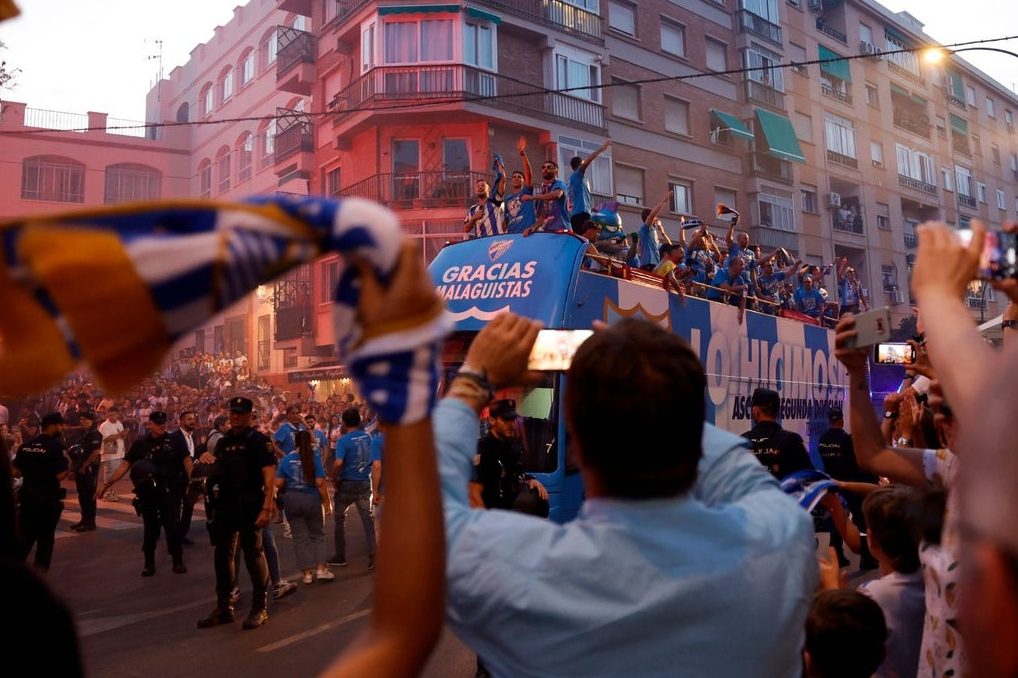
A Club That Once Dined at Europe’s Top Table
It is worth pausing to appreciate just how high Malaga flew before the fall. Under the ownership of Qatari billionaire Sheikh Abdullah Al-Thani, the club from the Costa del Sol underwent a transformation that felt almost surreal. World-class players arrived, a proper coaching structure was built, and within a few seasons, Malaga were competing in the UEFA Champions League. Their 2012-13 campaign remains the stuff of legend in southern Spain, a run to the quarter-finals that included a stunning victory over Porto and only ended in the most heartbreaking of circumstances against Borussia Dortmund.
That version of Malaga felt permanent. It did not last. Financial mismanagement, unpaid wages, and a series of chaotic decisions at board level began to unravel everything the club had built. Players left, results deteriorated, and the slide down the Spanish football pyramid accelerated with a cruelty that shocked even veteran observers of the game.
Into the Abyss: Life in the Third Tier
Relegation from La Liga was painful enough. But Malaga’s descent did not stop there. The club eventually found itself in the Segunda División B, which is the third tier of Spanish football and a world away from the glamour of European nights at La Rosaleda. This is the level where travelling squads share budget hotels, where pitch conditions vary wildly, and where a club with Malaga’s history looks desperately out of place.
For the supporters who had stood on those terraces watching Isco, Santi Cazorla, and Nacho Monreal in their prime, this period was genuinely painful. The city of Malaga never stopped believing in its club, but belief alone does not pay transfer fees or clear debt. The work required to rebuild from such a low base demanded patience, structural reform, and a clear plan, none of which had been consistently present during the chaotic years of decline.
What Rebuilding Actually Looks Like
The path back was slow and unglamorous. Clubs in Malaga’s position cannot simply buy their way out of the lower divisions overnight. What they can do is build intelligently, restore financial credibility with the football authorities, and find players willing to commit to a project rather than a paycheck. Over the course of several seasons, that is precisely what happened at La Rosaleda.
Stability in the boardroom, even if it came gradually and imperfectly, gave the coaching staff something to work with. The fanbase, which had never truly abandoned the club even during its bleakest winters, continued to show up. Crowds that would embarrass some second-tier clubs in other countries kept the atmosphere alive, and that energy matters more than any tactical manual when a squad needs to believe in something bigger than the table they’re stuck at.
The Return: Back Where They Belong
Promotion back to La Liga, detailed in a compelling account by BBC Sport, represents the culmination of years of grinding, unglamorous work. It is the kind of achievement that gets somewhat lost in a football news cycle dominated by transfer gossip and superclub drama, but for everyone connected to Malaga, it is every bit as meaningful as any trophy.
La Liga will feel very different now compared to the days of Sheikh Abdullah’s lavish spending. The league itself has shifted, with Real Madrid and Barcelona still dominating attention but clubs like Girona and Villarreal redefining what mid-table ambition can look like. Malaga will need to be smart, organised, and realistic about their first season back in the top flight. Survival will be the goal, and there is absolutely no shame in that when you consider the road they have travelled.
Why This Story Matters Beyond the Football
Malaga’s return carries significance that stretches past the ninety minutes. It is a reminder that football clubs, even those that have been genuinely mismanaged and left in ruins, can find their way back when a community refuses to let go. The city of Malaga, better known internationally for its beaches, its airport, and its role as a gateway to the Costa del Sol, has always taken its football seriously. The club is woven into the identity of a place, and identity proved more durable than the financial chaos that tried to erase it.
There is also a lesson here for football governance more broadly. The kind of collapse Malaga experienced, driven by ownership instability and financial recklessness, has become a recurring theme across European football. Clubs in England, Italy, and Germany have suffered similar fates. Not all of them find their way back. Malaga’s recovery, however imperfect and however long it took, offers at least a partial blueprint for what patience and structural reform can achieve.
What Comes Next
Life in La Liga will test everything Malaga have rebuilt. The step up in quality, intensity, and financial pressure is enormous. Every week will bring opponents with bigger budgets, deeper squads, and more recent experience at the top level. There will be difficult nights at La Rosaleda and difficult away days across Spain.
But the supporters who packed that stadium during the third-tier years, who renewed their season tickets when hope was the only thing on offer, deserve to see their club compete at the highest domestic level. They have earned that right through sheer loyalty. Malaga’s return is their return too.
Spanish football is better with a full-strength Malaga in it. The atmosphere at La Rosaleda on a warm Andalusian evening, the noise, the colour, the pride of a city that never stopped caring, is the kind of thing the game needs more of, not less. After almost a decade in the wilderness, all of that is back on the main stage where it belongs.
So here is the question worth sitting with: in an era when football is increasingly shaped by sovereign wealth funds and Super League fantasies, does a comeback story like Malaga’s prove that genuine football culture can still outlast financial failure, or is it simply a lucky exception that the sport should not rely on?