






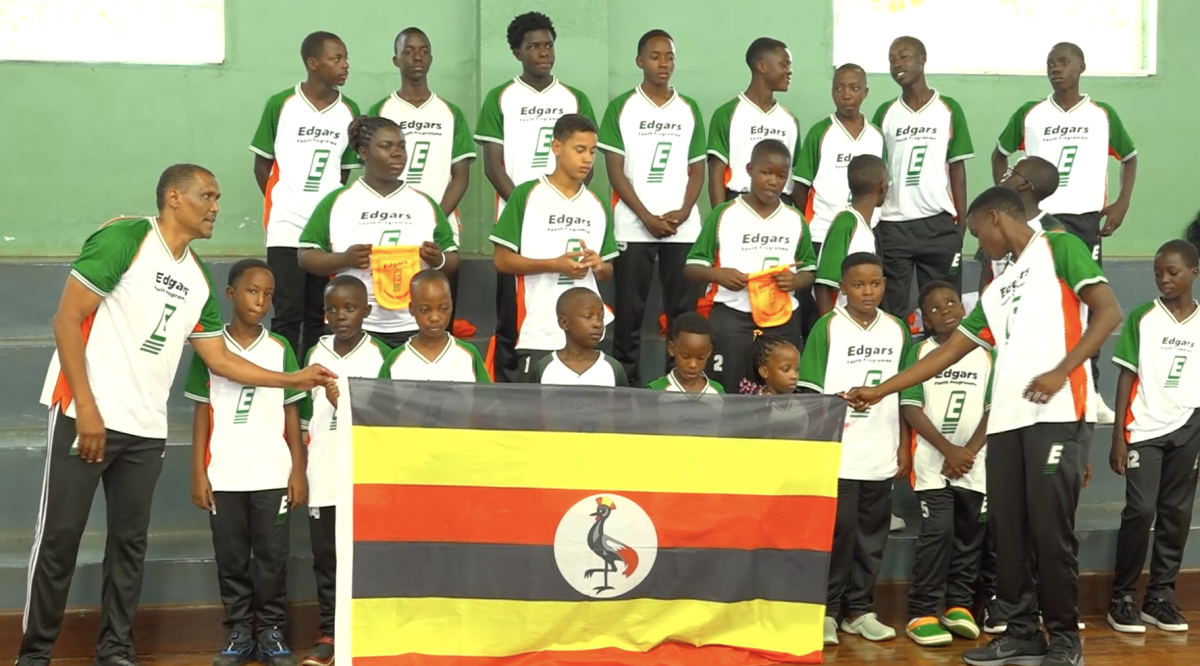
A group of 36 young Ugandan footballers and team officials has touched down in Germany, kicking off what promises to be one of the most formative experiences of their sporting lives. Edgar’s Youth Programme organized the trip, sending its delegation to participate in ProSoc Academy’s annual football training programme, a structured initiative designed to give promising young talent a serious taste of European football culture.
More Than Just Football Boots and Drills
The trip runs for 12 days, and while the training sessions will naturally sit at the heart of the itinerary, the programme is structured to offer far more than tactical lessons on a pitch. The delegation will have dedicated time to visit places of cultural and historical significance across Germany, turning the tour into a genuine educational and personal growth experience rather than a simple football exchange.
That dual purpose matters. Football programmes that combine sporting development with real-world exposure consistently produce more well-rounded athletes. Young players who travel internationally, absorb different cultures, and see how football is managed at a higher organizational level tend to return home with a broader perspective on what their own careers could look like. Germany, a country with one of the most sophisticated footballing infrastructures on the planet, makes for an ideal classroom.
Why Germany, and Why ProSoc Academy?
Germany’s football ecosystem is built on a youth development model that other nations have spent decades trying to replicate. After a period of underperformance in the late 1990s, the German Football Association overhauled its entire approach to talent development, investing heavily in academies, coaching education, and youth competition structures. The results were visible on the world stage for years. For a young Ugandan player stepping into that environment, even briefly, the exposure is invaluable.
ProSoc Academy runs this annual programme specifically to bring international youth teams into that world, offering structured training alongside the kind of cultural exchange that broadens horizons. The combination makes this the sort of opportunity that sticks with a young athlete long after the final whistle of the last training session.
As reported by NTV Uganda, the 36-person delegation includes both players and officials, which suggests a serious organizational commitment to getting maximum value from the trip, not just for the athletes on the pitch but for the administrators and coaches who will eventually build the structures these players need when they return home.
The Bigger Picture for Ugandan Youth Football
Uganda’s football development story has always been one of raw talent wrestling with limited resources. The country produces players with genuine ability, but pathways to professional football, especially at an international level, remain narrow for most young athletes. Programmes like Edgar’s Youth Programme represent exactly the kind of bridge that can change that narrative.
Sending a delegation of this size to Germany is not a small undertaking. It requires logistics, funding, coordination, and a genuine belief that the investment is worth it. The fact that it is happening signals confidence, both in the players being sent and in the long-term vision of the programme itself.
There is also something to be said for the cultural immersion element. Sport has always been one of the most effective vehicles for cross-cultural understanding, and young athletes who experience life in a different country, even for less than two weeks, return with a different kind of confidence. They have seen something new, navigated something unfamiliar, and come out the other side. That experience shapes character in ways that no amount of training ground repetition can replicate.
What Comes Next
The 12-day programme will eventually wind down, and the delegation will return to Uganda carrying memories, lessons, and hopefully a renewed sense of what is possible. The real measure of this tour’s success will not be visible immediately. It will show up in how these players train when they get home, in how the officials who made the trip think about structuring youth development back in Uganda, and in whether any of the young athletes who went to Germany end up pursuing football seriously because of what they experienced there.
Grassroots football investment often feels invisible because its returns are slow. But every major football nation built its base exactly this way, through consistent, patient investment in young people who had not yet proved anything to anyone. Edgar’s Youth Programme appears to understand that logic, and this Germany tour is evidence of it in action.
If this kind of international exposure becomes a regular feature of youth football development in Uganda rather than a rare exception, what could the country’s football landscape look like a decade from now?