



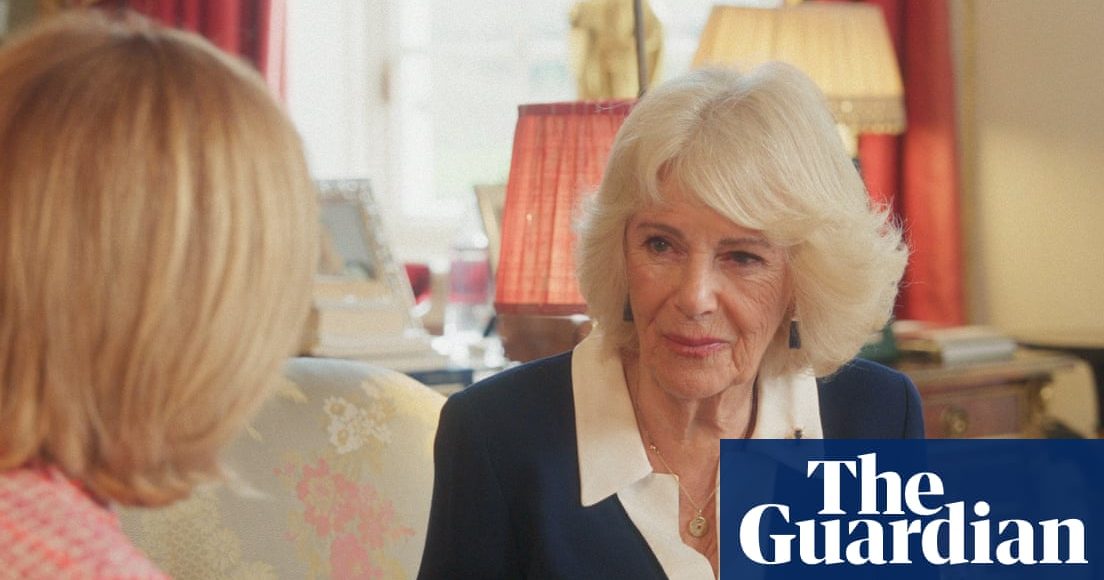
Queen Camilla has spoken openly, for the very first time, about the personal strain of carrying the knowledge of King Charles’s cancer diagnosis in private, before the news reached the public. In a video message produced to mark the work of Maggie’s, a well-known cancer support charity, the Queen described the emotional weight of an official visit to one of the charity’s centres in 2024, a visit that took place after Charles had already received his diagnosis but before any public announcement had been made.
A Secret Too Heavy to Hold
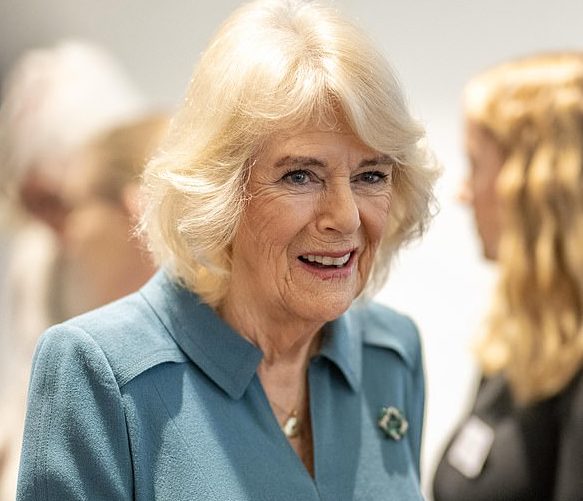
There is a particular kind of loneliness that comes with knowing something the world does not yet know, especially something as significant as the health of a monarch. Camilla, by her own account, felt it acutely. She described longing to let it out during her visit to the Maggie’s centre, surrounded by people living through their own cancer journeys, people who would have understood more than most what the royal household was quietly enduring.
That admission, short as it is, carries enormous weight. It humanises a moment in royal history that was, from the outside, managed with characteristic composure and discretion. Behind the composed public face, there was a wife navigating grief and worry while maintaining the duties and demeanour expected of a Queen Consort.
Why Maggie’s Made It Harder
The timing and setting of that 2024 visit adds a layer of poignancy to Camilla’s confession. Maggie’s centres are not sterile medical facilities. They are spaces built around warmth, community, and open conversation about cancer, its physical toll, its emotional wreckage, and the networks of support that help people survive it. Walking into that environment, surrounded by patients, carers, and volunteers all speaking candidly about their experiences, while holding her own private version of the same story, must have been quietly overwhelming.
Cancer is rarely just a diagnosis. It ripples outward, touching everyone close to the person who receives it. The Queen’s words hint at exactly that, the sense that she was not simply protecting a piece of royal protocol, but carrying something deeply personal while being expected to project calm and normality.
The Role of Public Duty in Private Pain
For members of the royal family, the boundary between private life and public obligation is one of the defining tensions of their existence. Most people, when processing difficult news about a loved one, have the freedom to talk, to cry, to seek comfort from friends or colleagues. That option is significantly more complicated when you are among the most scrutinised households on earth and the information you hold would, if released prematurely, send ripples across financial markets, political circles, and the public consciousness of an entire nation.
Camilla’s choice to speak about this now, in the context of a video celebrating Maggie’s work, is itself meaningful. She is not simply sharing a personal anecdote. She is lending her experience to a cause that thrives on honest storytelling about cancer. By placing her own moment of struggle within the Maggie’s narrative, she validates what the charity has always stood for: that the emotional side of a cancer diagnosis deserves as much attention as the clinical one.
A Charity Built for Exactly These Moments
Maggie’s was founded on the belief that people affected by cancer need more than medical treatment. They need spaces where they can speak freely, feel understood, and be reminded that they are not alone. The charity’s centres, designed by some of the world’s leading architects to feel warm and domestic rather than clinical, sit adjacent to NHS cancer hospitals across the UK and beyond. They serve patients, partners, family members, and friends, anyone caught in the orbit of a cancer diagnosis.
By sharing her own experience of wanting to speak but having to stay silent, Camilla is effectively illustrating one of the core arguments Maggie’s has made for decades: that the people around a cancer patient suffer in ways that often go unacknowledged. Carers, spouses, and loved ones frequently have nowhere to put their fear and grief. That is precisely what Maggie’s is designed to address.
What This Moment Tells Us About the Queen
Royal watchers have long noted that Camilla’s public persona has shifted considerably since she became Queen Consort. She has grown more visibly comfortable in the role, more candid in her public appearances, and more willing to speak about subjects that previous generations of royals would have left entirely unaddressed. Her decision to speak about this particular moment of vulnerability fits that pattern.
It also reflects something broader about how conversations around cancer have changed. Diagnoses that were once spoken about only in hushed tones are now discussed with increasing frankness by public figures, which has done measurable good for awareness, early detection, and the reduction of stigma. When someone in Camilla’s position admits that cancer touched her household too, and that she struggled with it emotionally, that kind of candour has real reach.
The Queen’s words are brief, but they carry the kind of honesty that resonates precisely because it is so rarely offered from that level of public life. A longing to let it out is not a phrase drafted by a communications team. It sounds like the truth.
If a Queen standing in a cancer support centre, knowing what she knew, felt the pull of wanting to share her burden with the strangers around her, it says something profound about the universal nature of that experience. Cancer does not observe rank or protocol. And apparently, neither does the very human need to be understood.
Have you ever had to carry difficult news in silence for someone you love? Share your experience in the comments below.