





Las Vegas, August 18, 2026. A witness squared off against the court with a blunt warning. A medical examiner faced questions passed directly from the jury. And a city that has carried the weight of an unsolved hip-hop murder for three decades watched its courthouse become the center of the world, again.
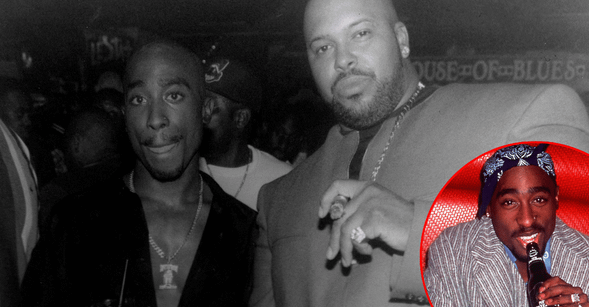
The proceedings in the Tupac Shakur gang killing murder trial grew tense on Tuesday when a man identified as an associate of Death Row Records founder Suge Knight told the Las Vegas courtroom, in no uncertain terms, “You better treat me as a hostile witness.” It was the kind of moment that stops a room, the kind of line that belongs in a film script but landed instead in a court of law, under oath, with a jury watching.
When a Witness Draws a Line
James McDonald, the witness in question, did not mince words about his reluctance to be in that room. His statement, “Me or anybody else bringing up the dead is wrong,” set a defiant, almost mournful tone. It is a sentiment that cuts deeper than legal strategy. Tupac Shakur was shot on September 7, 1996, on Flamingo Road in Las Vegas after attending the Mike Tyson and Bruce Seldon heavyweight bout. He died six days later. For McDonald and others who existed in that orbit, talking about that night is not merely inconvenient. It is weighted with decades of silence, loyalty codes, and fear.
The prosecution’s challenge with witnesses like McDonald is familiar to anyone who has followed high-profile gang-related cases: the culture of omerta that surrounds street organizations does not dissolve simply because a judge issues a subpoena. Prosecutors have to navigate that reality, sometimes forcing the court to formally classify a witness as hostile, which allows for more aggressive cross-examination techniques. Whether the court ultimately did so with McDonald remains part of the live trial coverage that gripped observers throughout the day.
The Jury Steps In: Head Wounds and Hard Questions
If McDonald’s testimony was the courtroom’s emotional flashpoint, the jury’s engagement with medical examiner Dr. Lisa Gavin offered something closer to forensic electricity. District Court Judge Carli Kierney relayed questions directly from the jury to Dr. Gavin, a procedural step that signals the jurors are not passive observers. They are paying attention. They want answers.
One question cut straight to the physical evidence: “Were there any wounds to the head that you or Dr. Jordan observed or noted?” It is a pointed query, one that suggests the jury is already building a mental picture of what happened inside that BMW on Flamingo Road and interrogating whether the official record matches. The involvement of a second medical professional, Dr. Jordan, in the original examination indicates the case attracted serious forensic scrutiny even in 1996, though critics have long argued that the investigation that followed was anything but thorough.
What This Trial Means Beyond the Verdict
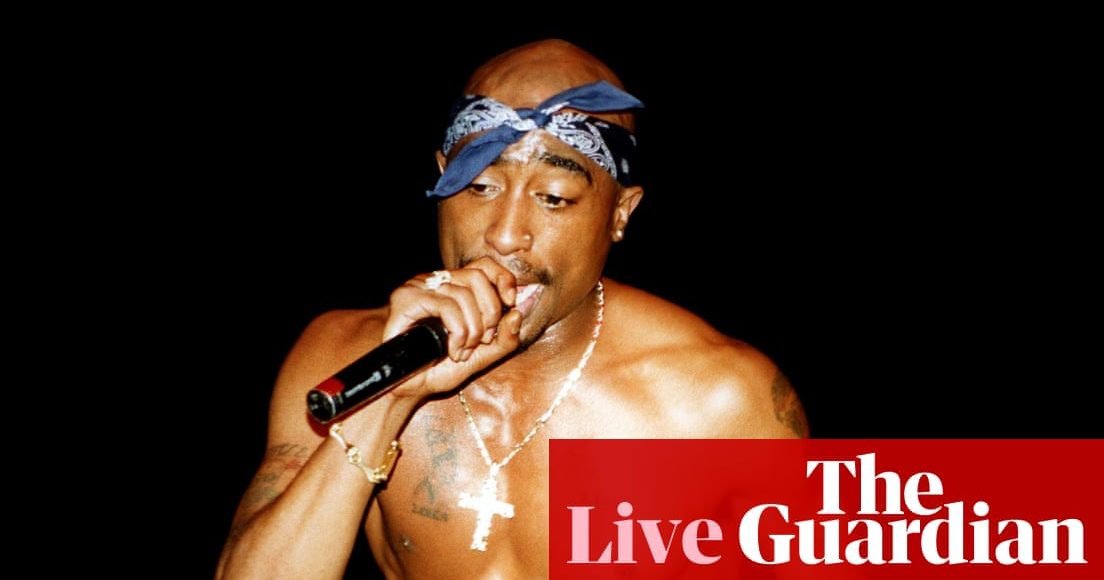
It would be easy to frame this trial purely as a legal event. But anyone paying even casual attention to American cultural history understands that Tupac Shakur was not simply a homicide victim. He was, and remains, a generational voice. His work spoke to poverty, police brutality, Black identity, and the particular anguish of young men navigating systems designed to exclude them. Dozens of albums, films, and academic papers have been built around his legacy.
The question of who ordered and carried out his killing has shadowed hip-hop for thirty years. Conspiracy theories have multiplied in that vacuum, some plausible, some absurd. The formal trial, with a named defendant and a functioning jury, is the first real institutional attempt to provide an answer. That matters regardless of outcome.
Las Vegas on Trial, Too
There is a broader subtext to this proceeding that deserves attention. The Las Vegas Metropolitan Police Department’s original handling of the case was criticized almost from the beginning. Witnesses were not interviewed aggressively. Evidence was questioned. The city’s relationship with Death Row Records, which had significant financial muscle and local connections at the time, raised uncomfortable questions about whether the investigation was compromised from the start.
A trial in 2026, thirty years on, is also implicitly a reckoning with those institutional failures. Every piece of testimony, every jury question, every reluctant witness who has to be threatened with hostile classification is a reminder of what it looks like when a system does not take a murder seriously because of who the victim was and what world he came from.
A Courtroom Full of Unfinished Business
What makes this trial genuinely gripping is not just the celebrity dimension, though that is undeniable. It is the sense that a great deal of unfinished business is being aired in that Las Vegas courtroom. Witnesses who have kept quiet for decades are being placed under oath. Medical testimony is being scrutinized by a jury that clearly intends to do its job. And a judge is running a tight ship, relaying jury questions directly to expert witnesses in a way that signals this proceeding will be thorough, whether the participants like it or not.
James McDonald’s “hostile witness” warning may have been a moment of theater, but it was also a window into how complicated this case remains at a human level. People who were close to these events carry knowledge, and also grief, and also fear. Getting that knowledge into a courtroom, cleanly and credibly, is the prosecution’s central challenge.
Tupac once wrote about the world being a ghetto and wondering if there was a heaven for a G. The courtroom in Las Vegas right now is asking a different, harder question: is there justice, even three decades late? The jury is still watching. And so is the rest of the world.
As the trial continues, one question lingers for anyone following these proceedings: do you believe that cases involving cultural icons receive more or less serious institutional attention than those involving ordinary citizens, and what does your answer say about the system’s relationship with fame, race, and power?