







In the summer of 2026, Meta CEO Mark Zuckerberg published what he titled “The Future is for Everyone”, a 6,500-word open letter laying out his grand vision for artificial intelligence. It was bold, ambitious, and, depending on your tolerance for Silicon Valley self-assurance, either genuinely inspiring or a masterclass in expensive navel-gazing.
A New Kind of Power Move
Make no mistake: the tech manifesto has become a genre unto itself. It sits somewhere between a corporate press release, a philosophical treatise, and a campaign speech. And Zuckerberg’s latest entry is about as refined as the form gets. He doesn’t just talk products or quarterly earnings. He talks about the arc of human history, the weight of technological responsibility, and where AI fits into all of it.
According to BBC analysis of the letter, Zuckerberg’s essay echoes a sentiment that has become almost liturgical among AI’s leading figures: that what they are building ranks among the most important technologies in human history. Whether that is visionary confidence or a very well-funded messiah complex is a conversation worth having.
Andreessen Set the Template in 2023
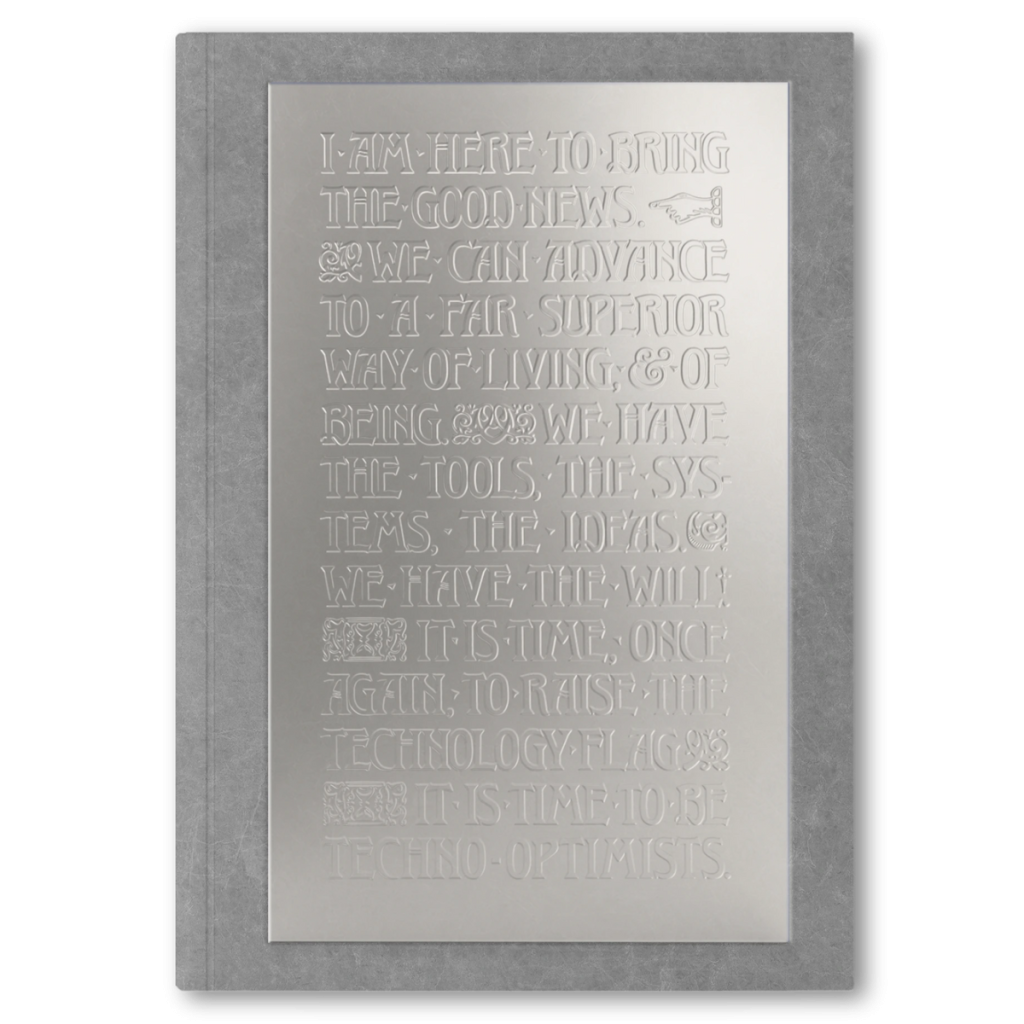
To understand why Zuckerberg wrote this letter, you have to go back to 2023, when Marc Andreessen, the co-founder of early internet pioneer Netscape, published a 5,000-word essay called “The Techno-Optimist Manifesto.” It was punchy, combative, and unapologetically ideological. Andreessen opened by taking aim at what he described as lies being spread about technology and innovation, calling on readers to push back against critics of progress.
“We believe growth is progress, leading to vitality, expansion of life, increasing knowledge, higher well being,” Andreessen wrote, setting a rhetorical tone that was part battle cry, part philosophy lecture.
That essay landed like a grenade in a conversation that was already getting heated about AI’s risks, ethics, and the speed of its rollout. It drew fans and fierce critics in equal measure. But more than anything, it proved something: if you have a billion-dollar platform and a few thousand words, you can shape the narrative of an entire industry.
Zuckerberg Follows the Playbook, With a Twist
Zuckerberg’s 2026 letter doesn’t replicate Andreessen’s combative style exactly. He avoids naming names when he questions those who have raised concerns about the darker possibilities of advanced AI. The tone is softer, more inclusive, after all, the title does promise that the future belongs to everyone. But the underlying move is the same: frame your technology as civilisational, position your critics as fearful or misguided, and claim the moral high ground before the conversation even begins.
It is a well-constructed rhetorical strategy. By the time a reader has absorbed 6,500 words of your vision, your assumptions have been normalised. The sheer length communicates seriousness. The philosophical framing signals depth. And the publication of such a document creates a media moment that no product launch quite replicates.
Why Manifestos and Not Press Conferences?
There is a reason these tech leaders reach for the essay format rather than the shareholder memo or the keynote slide deck. A manifesto speaks to history. It positions the author not just as a businessman but as a thinker, a visionary, someone whose ideas will outlast any particular product cycle. It is also unfiltered. Unlike an interview, there is no journalist pushing back in real time. Unlike a speech, there is no crowd reaction to manage. The manifesto is pure, controlled message delivery at scale.
There is also a defensive dimension to consider. As governments worldwide tighten their scrutiny of AI development, and as public anxiety about job displacement, misinformation, and algorithmic bias continues to grow, publishing a manifesto is a way of pre-empting criticism. It says: we have thought about this longer and harder than you have. Trust us.
The Risk of Writing Your Own Gospel
Of course, the manifesto format carries real risk. Every word becomes a benchmark against which future decisions are measured. Andreessen’s 2023 essay, for instance, was dissected for what it included and, perhaps more tellingly, for what it left out. When AI systems cause harm, when bias is baked into algorithms, when misinformation spreads at machine speed, those 5,000 words of optimism become an awkward reference point.
Zuckerberg’s letter will face the same scrutiny. “The Future is for Everyone” is a generous headline. But the people asking whether that future includes safeguards, accountability, and genuine transparency will be watching closely to see if the words match the decisions that follow.
What This Trend Reveals About Tech Power
Step back from any single letter, and what you see is a cohort of extraordinarily powerful individuals choosing to communicate through a format that answers to no one. No editor. No regulator. No fact-checker with publishing authority. The manifesto, by design, is the author’s truth.
That is not inherently dishonest. Some of what Andreessen and Zuckerberg express about AI’s potential is genuinely worth engaging with. The technology is consequential. The choices being made right now about how it is built and deployed will shape economies, democracies, and daily life for decades. People at the centre of that process sharing their thinking is not without value.
But there is a difference between transparency and theatre. A 6,500-word essay that positions one company’s AI ambitions as a gift to all of humanity is not a neutral document. It is a persuasion exercise, carefully constructed and strategically timed. Recognising that does not require cynicism. It just requires reading carefully.
The Question Worth Asking
As more tech leaders reach for the manifesto format in the years ahead, and more will, the most useful thing readers can do is ask a simple question after finishing each one: what is this letter actually asking me to believe, and who benefits if I believe it?
Because the future, whatever shape it takes, will not be written by any single open letter. It will be shaped by policies, regulations, cultural choices, and the quiet decisions of billions of ordinary people interacting with technology every day. No manifesto, however eloquently written, gets to decide that alone.
So the next time a tech titan publishes their vision of tomorrow in 5,000 or 6,000 words, read it. Engage with it. Then ask yourself: whose future are we really talking about?