


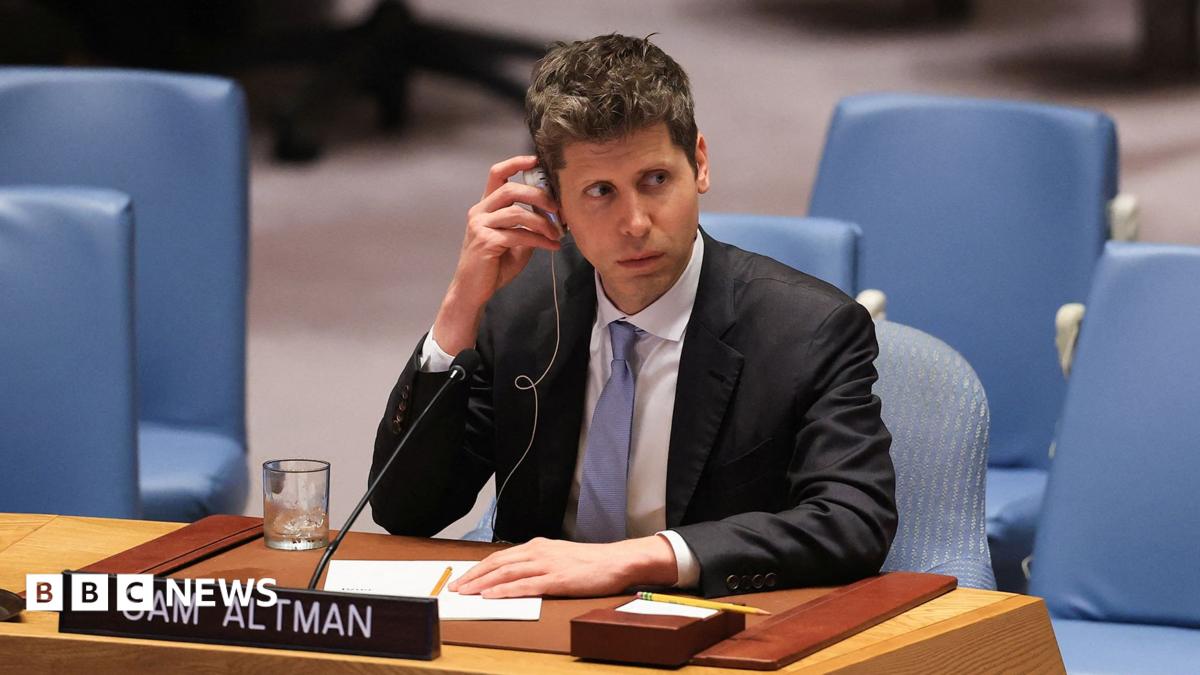



On August 3, 2026, a press release from President Yoweri Kaguta Museveni landed in the public domain. On the surface, it was a thank-you note to Ugandans for participating in the LC1 elections. Underneath, it was something far more charged: a presidential account that named veteran journalist Andrew Mwenda and described a series of alleged activities, including spying on the President and working to undermine potential investors. A young man named Nuwagaba appeared in the President’s telling, and his story, at least as filtered through the presidential statement, struck at least one prominent reader as deeply troubling.
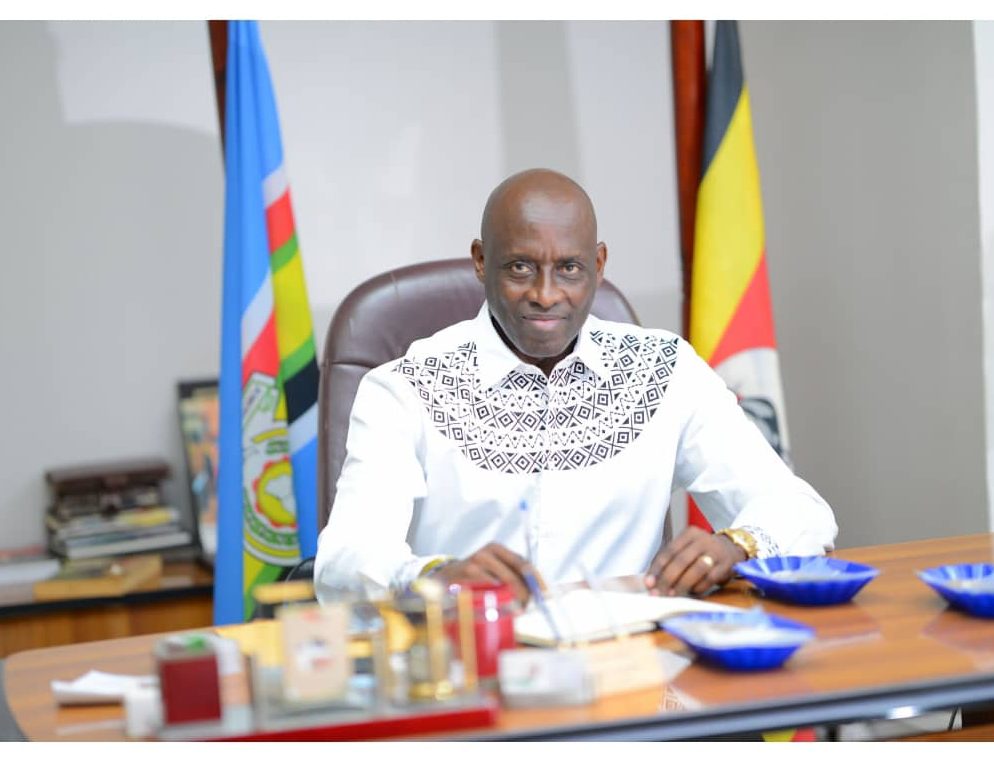
That reader was Barnabas Taremwa, a senior citizen who decided he had something to say. And say it he did, in a carefully worded public response that has since attracted significant attention online. His full remarks are published on Chimpreports and deserve to be read in their entirety, because they represent a kind of civic engagement that is increasingly rare: honest, nuanced, and without a hidden political agenda.
A Man of Principle Steps Forward
Taremwa was clear from the beginning about what motivated him to write. It was not loyalty to Mwenda, whom he describes as a friend he has not yet had the chance to meet regarding this particular matter. It was not opposition to Museveni, whom he describes with genuine warmth and a measured respect built over years. It was something simpler and harder to ignore: a hatred of impunity.
He wrote that whenever a human being is subjected to injustice and he has any opportunity to intervene or offer assistance, he feels obligated to do so. That is not a political position. That is a moral one. And in Uganda’s current climate, the distinction matters enormously.
On the Nuwagaba question specifically, Taremwa was careful. He acknowledged finding the young man’s story, as described by the President, both touching and concerning. But he also acknowledged that Mwenda has a completely different account of the same events. Without having spoken to his friend directly, Taremwa refused to take sides. He reserved judgment. This is not fence-sitting; it is intellectual honesty of a kind that political commentary in East Africa often lacks.
The Question Nobody Wants to Ask About Museveni
Here is where Taremwa’s response becomes genuinely interesting, and perhaps a little brave. He does not accuse the President of malice. Quite the opposite. He describes Museveni as one of the fairest human beings he has personally encountered, someone who does not discriminate and who does not, in his estimation, deliberately do wrong.
But fairness and accuracy are two different things. A fair person can still be misled. A good-hearted leader can still be surrounded by individuals who exploit that goodness to pursue their own agendas under the cover of state authority. This is the quiet bombshell buried in Taremwa’s letter: the suggestion that some of what gets done in Uganda in the name of the President or the State may not actually reflect what the President knows or sanctions.
Taremwa does not speculate about who these individuals might be. He does not name names beyond what the President’s own statement raised. What he does is something more powerful: he testifies. He says he knows this not from theory but from personal experience, that he himself has been a victim of such forces on more than one occasion.
Andrew Mwenda and the Perils of Proximity to Power
Andrew Mwenda is not a quiet figure in Ugandan public life. As a journalist, media entrepreneur, and commentator, he has spent decades operating in the space between power and public accountability, a space that is rarely comfortable and never truly safe. The President’s statement singling him out by name is notable not just for its content but for what it signals: that the relationship between Mwenda and the establishment has reached a point of open tension.
Taremwa does not defend or condemn Mwenda’s alleged conduct. He simply notes that his friend has a different version of events, and that different versions deserve to be heard before any judgment is rendered. This is elementary fairness. It is also a gentle reminder to Museveni and his administration that press releases, even presidential ones, represent only one side of a story.
When the State Becomes Someone’s Personal Tool
The broader concern Taremwa raises is one that transcends Uganda entirely. In any long-running administration, the machinery of government accumulates layers of personnel, loyalists, opportunists, and ideologues. Some of these individuals use their proximity to power not to serve the public or even the leader they claim to represent, but to settle scores, protect interests, and silence inconvenient voices. The leader at the top may be entirely unaware that his name and authority are being used as weapons.
This is not a new problem. It has played out in governments across Africa and beyond, from post-independence states to modern democracies. What makes Taremwa’s letter worth reading is the way he frames it not as an attack on Museveni but as a warning to him. He is, in effect, saying: the system around you can be weaponized, and it has been, and I have the personal scars to prove it.
Whether the President reads such letters is another question entirely. Whether his inner circle allows them to reach his desk is yet another.
Civic Courage in a Complicated Country
Uganda’s political environment is not one that rewards open dissent or public second-guessing of presidential statements. For a senior citizen to step forward and say, essentially, “I respect you, but I am not sure you have the full picture,” requires a particular kind of nerve. Taremwa is not a firebrand. He is not calling for protests or demanding resignations. He is asking for fairness, for proper process, and for the recognition that the men around a powerful leader can sometimes be as dangerous as any external threat.
His letter is a reminder that civic engagement does not require volume to carry weight. Sometimes the most powerful intervention is a quiet, well-reasoned letter from someone who has nothing to gain and simply cannot stay silent.
As the story of Mwenda, Nuwagaba, and the competing accounts of what actually happened continues to unfold, one question lingers: in a country where state power and personal agendas can blur so completely, how do ordinary citizens, or even presidents, ever know which version of events to trust?