










The aviation industry has a dirty secret, and it’s not just the cramped middle seat. Every time a commercial jet lifts off, it burns through thousands of litres of kerosene-based fuel, pumping carbon dioxide, nitrogen oxides, and contrail-forming water vapour into the upper atmosphere. For decades, this was simply the price of shrinking the world. But in 2026, that trade-off is no longer acceptable to regulators, passengers, or the airlines themselves, and a fierce global push is underway to fundamentally change how aircraft are powered.
More Than One Way to Fly Clean
The conversation around greener aviation has grown far more complex than a simple swap of one fuel for another. Electric power is one of several cleaner alternatives to traditional aviation fuel, as explored in recent tech coverage from the BBC, and each option comes with its own set of advantages, limitations, and timelines. The reality is that no single silver bullet exists. Instead, the industry is placing bets across multiple technologies simultaneously, hoping that at least some of them will be airworthy at scale within the next decade or two.
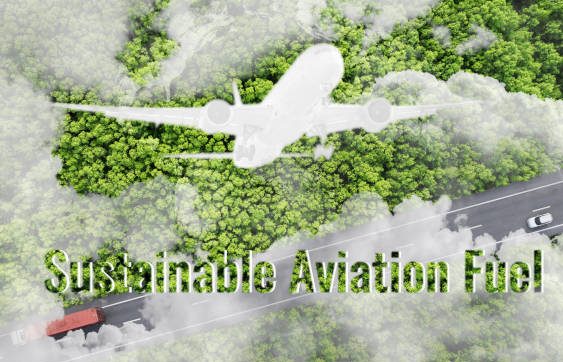
Sustainable aviation fuel, commonly called SAF, sits at the top of most airlines’ near-term strategy. Made from feedstocks like used cooking oil, agricultural waste, or even captured carbon, SAF can be blended with conventional jet fuel and burned in existing engines without any modification. Airlines love this because it doesn’t require a redesigned aircraft or new airport infrastructure. The problem is supply: global SAF production currently meets a tiny fraction of aviation’s total fuel demand, and scaling it up quickly enough to matter is proving expensive and logistically punishing.
The Electric Dream and Its Very Real Limitations
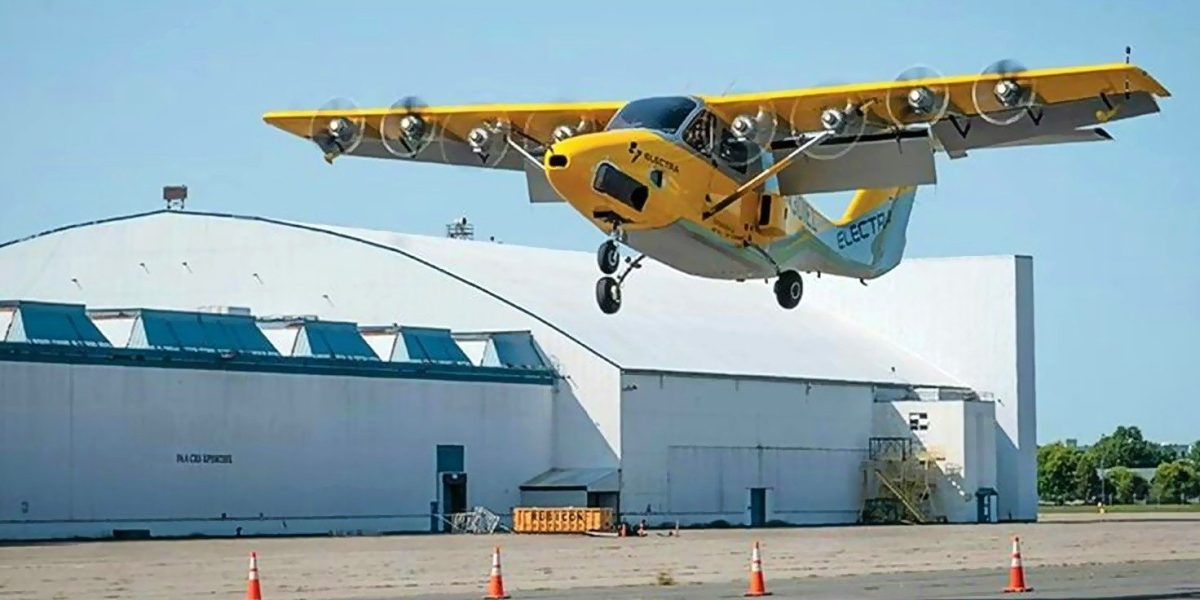
Battery-powered aircraft represent perhaps the most tantalising vision of clean aviation. Quiet, zero-emission at the point of use, and with dramatically lower operating costs once the infrastructure is in place, electric planes have captured enormous public imagination. Several short-haul electric aircraft are already in testing or early commercial service on regional routes in Scandinavia and parts of North America. Startups like Heart Aerospace and Eviation have generated serious investor interest with their all-electric designs.
But physics is a stubborn negotiating partner. The core challenge is energy density: a litre of jet fuel stores roughly 30 to 40 times more energy by weight than the best lithium-ion batteries currently available. This means that for anything beyond short hops of a few hundred kilometres, battery technology simply cannot carry enough energy to get the plane and its passengers to the destination. Long-haul electric flight remains firmly in the realm of science fiction for now, though battery chemistry is improving faster than many predicted even five years ago.
Hydrogen: High Potential, High Complexity
Hydrogen has been part of the clean aviation conversation for years, and it’s getting louder. The fuel can power aircraft either through combustion in a modified jet engine or through fuel cells that generate electricity to drive electric motors. Either way, the only by-product is water vapour, which sounds like a clean outcome until you account for the fact that contrails formed at altitude still contribute to warming. Still, hydrogen’s energy-to-weight ratio is far more competitive with jet fuel than batteries, making it a more credible option for medium and eventually long-haul routes.
Airbus has publicly committed to bringing a hydrogen-powered commercial aircraft to market by 2035, and its ZEROe concept planes have sparked enormous industry debate. The obstacles, though, are formidable. Hydrogen must be stored at cryogenic temperatures or under very high pressure, requiring redesigned fuel tanks and entirely new airport fuelling infrastructure. Producing green hydrogen at scale, using renewable electricity rather than natural gas, also remains costly, though prices have been falling steadily as electrolyser technology matures.
Why the Stakes Have Never Been Higher
Aviation accounts for around 2.5% of global CO2 emissions, but its total climate impact is thought to be significantly higher when you factor in the warming effect of contrails and high-altitude nitrogen oxide emissions. With international air travel recovering strongly post-pandemic and demand from Asia and Africa projected to grow substantially through the 2030s and beyond, the pressure on the industry to clean up is not easing anytime soon.
Regulators are turning the screw. The European Union’s ReFuelEU Aviation regulation mandates that SAF must make up at least 2% of all jet fuel used at EU airports from 2025, rising to 6% by 2030 and 70% by 2050. The UK and several Asian markets are pursuing similar frameworks. Airlines that fail to meet these targets face financial penalties that will make cheap flights considerably less cheap to operate.
The Passenger Factor
Travellers are increasingly part of this equation too. Flight shame, a social movement that gained serious traction in Europe around the early 2020s, pushed some frequent flyers to reconsider their habits. Demand for transparency around flight emissions has grown, with booking platforms now regularly displaying carbon footprint data alongside ticket prices. Whether passengers are actually willing to pay a premium for greener flights remains genuinely contested, but airlines operating routes where SAF is blended are discovering that a vocal segment of travellers will actively choose the cleaner option.
The industry’s path forward is unlikely to be clean or linear, much like the turbulence that rattles a long-haul cabin somewhere over the Atlantic. Different technologies will dominate different route types: electric for short hops, hydrogen potentially for medium-range flights, and SAF blends carrying the heavy load on long-haul routes for at least the next two decades. The key is momentum, and right now, the momentum is real.
What Comes Next
The next five years are genuinely critical. Several electric regional aircraft are expected to enter commercial service. SAF production facilities are being built or expanded across Europe, North America, and parts of Asia. And the first hydrogen-powered demonstration flights on real commercial routes are expected before the end of this decade. None of this will decarbonize aviation overnight, but it represents the most ambitious overhaul of how aircraft are powered since the jet engine replaced the propeller.
The skies are not clean yet. But for the first time in aviation history, there is a credible roadmap for making them cleaner, and multiple technologies racing to prove they deserve a seat at the table. The question is whether the industry, governments, and passengers can coordinate fast enough to make a real difference before the climate window closes.
So here’s the question worth sitting with: if a genuinely zero-emission flight cost you 20% more than a conventional ticket, would you pay it? And if not, who do you think should pick up the bill?