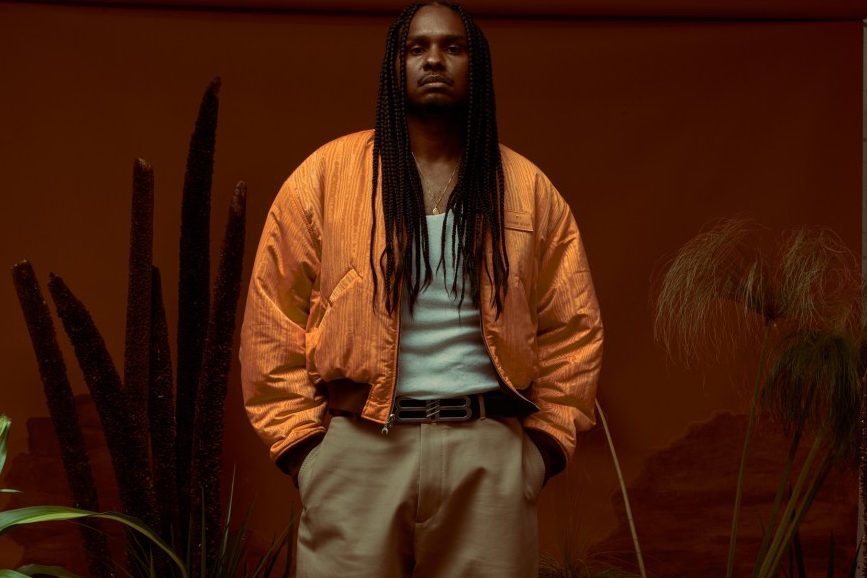
Danzal Baker, the Yolŋu hip-hop artist known to the world as Baker Boy, claimed three of the night’s most coveted prizes at the 2026 National Indigenous Music Awards in Australia, walking away with album of the year, song of the year, and film clip of the year. The wins, all tied to his sophomore record Djandjay, cemented a milestone moment not just for Baker Boy personally, but for Indigenous Australian music on a broader stage.
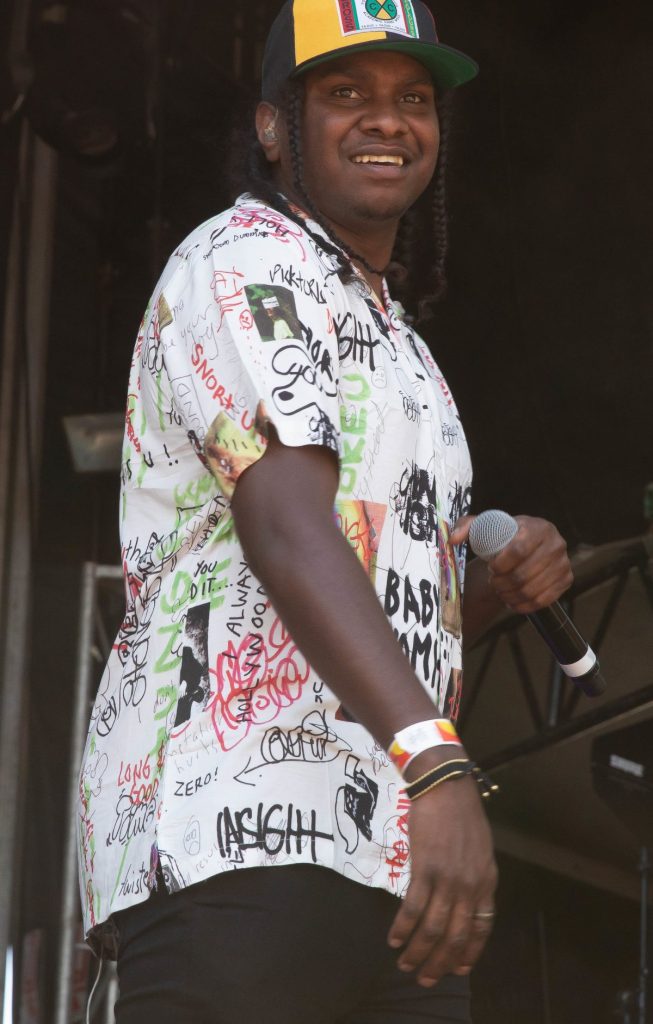
A Name Rooted in Love and Loss
Djandjay is not just a title. It is the name of Baker Boy’s late grandmother, and from the opening track to its final note, the album carries the weight and warmth of that relationship. Naming a body of work after someone you have lost is a profound artistic choice, one that Baker Boy wore visibly throughout the awards night as he paid tribute to her memory during his acceptance speech.
That kind of emotional honesty is what separates great music from merely good music. Baker Boy has always been a storyteller first, using the rhythms of hip-hop to carry Yolŋu language, culture, and lived experience to audiences who may never have encountered those worlds otherwise. With Djandjay, he went deeper, more personal, and the Australian Indigenous music community responded accordingly.
Thick Skin: The Song That Defined the Year
The song of the year award went to Thick Skin, the album’s standout single that brought together a formidable lineup of Indigenous female artists. Thelma Plum, Emma Donovan, Kee’ahn, and Jada Weazel all feature on the track, creating a collaborative statement that felt like a musical gathering of voices rather than a simple feature list.
Thick Skin also took home the film clip of the year award, suggesting that the visual storytelling matched the sonic one. A strong music video can extend the life of a song considerably, pulling in listeners who might first discover an artist through a screen rather than a speaker. That Baker Boy and his collaborators managed to create something visually striking enough to win in that category as well speaks to the holistic ambition behind the project.
The track’s collaborative nature also points to something important about the broader Indigenous music ecosystem in Australia. These are artists who actively support and amplify each other, building something communal rather than competing in isolation. The result, at least in this case, was a song that resonated widely enough to sweep two major categories at the country’s premier Indigenous music celebration.
Other Big Winners: Birdz, Fred Leone, and Drifting Clouds
While Baker Boy dominated the conversation, the evening spread its recognition across a range of artists. The artist of the year award went to Birdz and Fred Leone, a Butchulla duo who are also cousins. Family runs through this year’s NIMAS in a very literal sense, from Baker Boy’s tribute to his grandmother to the cousin pairing of Birdz and Fred Leone sharing one of the night’s top honours.
Drifting Clouds took home the best new talent award, a prize that always carries a particular kind of excitement. Best new talent winners often go on to define the next generation of a genre, and in a scene as vital and diverse as Indigenous Australian music, the arrival of a fresh voice capable of winning industry recognition at this level is genuinely worth paying attention to.
Why NIMAS Matters More Than Ever
The National Indigenous Music Awards are not simply an industry backslap. They serve as one of the most visible platforms for Indigenous Australian artists to reach audiences beyond their immediate communities, and for the wider public to engage with music that is culturally rich, linguistically diverse, and often deeply rooted in Country and identity.
Baker Boy’s success at this year’s ceremony arrives at a moment when Indigenous voices in Australian arts are both more prominent and more scrutinised than perhaps any previous period. The conversation around representation, cultural integrity, and who gets to tell which stories has never been more charged. Within that context, an album like Djandjay, one that holds a grandmother’s name and a grandson’s grief with equal care, carries a significance that goes beyond chart positions or streaming numbers.
For younger listeners, particularly young Indigenous Australians who are watching Baker Boy’s career unfold, that kind of visibility matters. It says that your language, your family, your grief, and your joy are all worthy of celebration on the biggest stage available.
What Comes Next for Baker Boy
Three awards in a single night creates a complicated kind of pressure. The natural question is what follows Djandjay, and whether Baker Boy can maintain this level of artistic ambition while carrying the weight of expectation that now comes with being the most decorated artist of NIMAS 2026.
If the past is any indication, the answer is probably yes. Baker Boy has always grown rather than repeated himself. He arrived as a bilingual rapper with something to prove, and he has spent his career expanding what that proof looks like. Djandjay is the most personal statement he has made so far. Whatever comes next, that emotional depth is now part of his artistic identity, and it is very difficult to unlearn.
The 2026 National Indigenous Music Awards gave three trophies to an artist who named his album after his grandmother and built a song around the voices of women who share his cultural world. That is a story worth knowing, and music worth hearing.
Now the question is yours: when did you last let an artist’s grief become the soundtrack to your own reflection, and what did it change in you?