





A legal storm is brewing between a Ugandan music boss and one of the world’s most recognizable fast-food brands. Kalifah AgaNaga, the founder and chief executive of Bad Character Records, has formally served KFC Uganda’s Managing Director with a notice of copyright infringement, demanding Shs550 million in compensation for the alleged unauthorized use of his music in a commercial social media advertisement.
The Song That Started It All
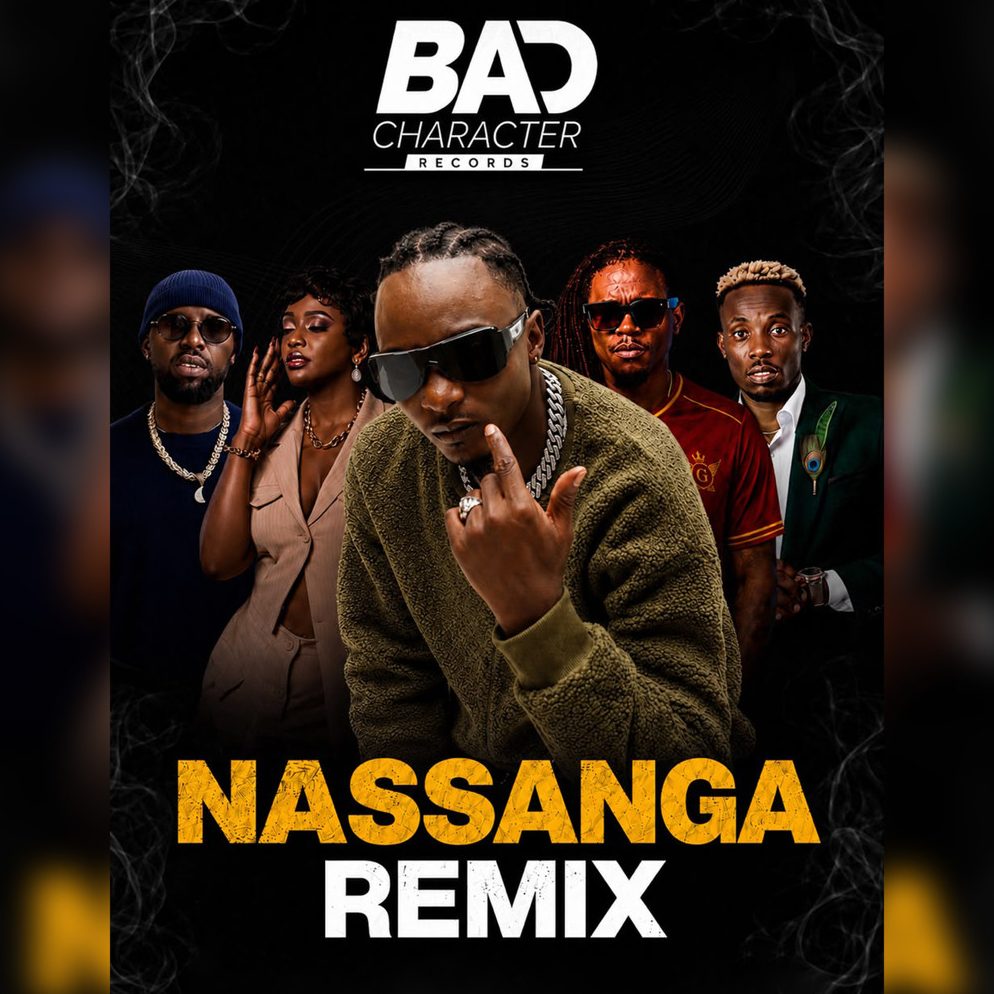
At the center of this dispute is the ‘Nassanga Remix,’ a track from Kalifah AgaNaga’s catalogue that allegedly appeared as background audio in a promotional video published on KFC Uganda’s official TikTok account. According to the legal notice filed through his lawyers at Elgon Advocates, the song was reproduced and communicated to the public without any authorization from the artist or anyone acting on his behalf.
The distinction matters. Using music in a commercial context, especially in a video designed to market a product or brand, is not the same as a fan sharing a clip on their personal page. When a corporation drops a promotional video with a recognizable song stitched underneath it, without clearing the rights, it opens itself up to exactly the kind of legal pressure Kalifah is now applying.
What the Legal Notice Actually Says
Through Elgon Advocates, Kalifah’s legal team argues that KFC’s actions amount to unauthorized reproduction and public communication of a copyrighted work for commercial gain. These are not minor technicalities. Under intellectual property law, both the reproduction of a sound recording and its communication to a public audience, particularly in a commercial setting, require explicit permission from the rights holder.
The legal notice, as reported by Mbu, targets KFC’s Managing Director directly, a move that signals this is not a quiet request for settlement but a firm, formal demand for accountability. Shs550 million is a substantial figure, and it communicates that Kalifah’s team is treating this as a serious breach of his rights as a creator.
Why This Case Matters Beyond the Money
Yes, the figure is eye-catching. But the broader significance of this case stretches well past the bank transfer that may or may not happen. Uganda’s creative industry has long operated in an environment where intellectual property rights are either ignored or poorly enforced. Artists routinely watch their work get repurposed by brands, businesses, and even government bodies without seeing a single shilling in return.
When a prominent artist like Kalifah AgaNaga, with the backing of a legal team, goes after a global brand over copyright, it sends a message to the entire industry. It tells brands operating in Uganda that local music is not a free resource. It tells other artists that they have legal tools available to them. And it tells the public that the creative economy deserves the same protections as any other form of intellectual property.
The Social Media Copyright Problem
TikTok has fundamentally changed how music spreads, but it has also created a murky legal landscape for brands. The platform’s music library is licensed for personal use, but that licensing does not automatically extend to commercial accounts or promotional content. Many brands, particularly local arms of global corporations, have stumbled into legal trouble by treating TikTok like a free-for-all creative playground.
The assumption that a song being available on a social media platform means it is free to use commercially is a costly misunderstanding. Rights holders retain control over how their work is used, and commercial use without clearance is an infringement regardless of how casual the platform feels.
A Growing Conversation Across Africa
Kalifah’s move fits into a wider pattern across the continent where African artists are increasingly asserting their intellectual property rights. From Nigeria’s music industry giants pursuing international licensing deals to South African producers demanding proper attribution, the era of African creatives quietly accepting misuse of their work is fading fast.
Uganda has its own copyright framework under the Copyright and Neighbouring Rights Act, which protects musical works and gives rights holders clear grounds to pursue compensation when those works are used without consent. Elgon Advocates appear to be leaning on precisely these provisions in making their case against KFC.
What Happens Next
A legal notice is the opening move, not the final one. KFC Uganda will now need to respond, either by engaging in settlement talks, contesting the claims, or demonstrating that proper licensing was in place. None of those options are particularly comfortable for a brand that prides itself on clean, family-friendly marketing.
If this matter escalates to court, it could set a meaningful precedent for how copyright disputes involving social media content are handled in Uganda. That alone makes it worth watching, regardless of how the Shs550 million question ultimately resolves.
For now, Kalifah AgaNaga has drawn a clear line: his music is his business, and unauthorized use of it, no matter how brief or incidental it may seem in a promotional clip, carries a price tag. The question worth sitting with is this: how many other Ugandan artists are owed money they have never thought to claim?