



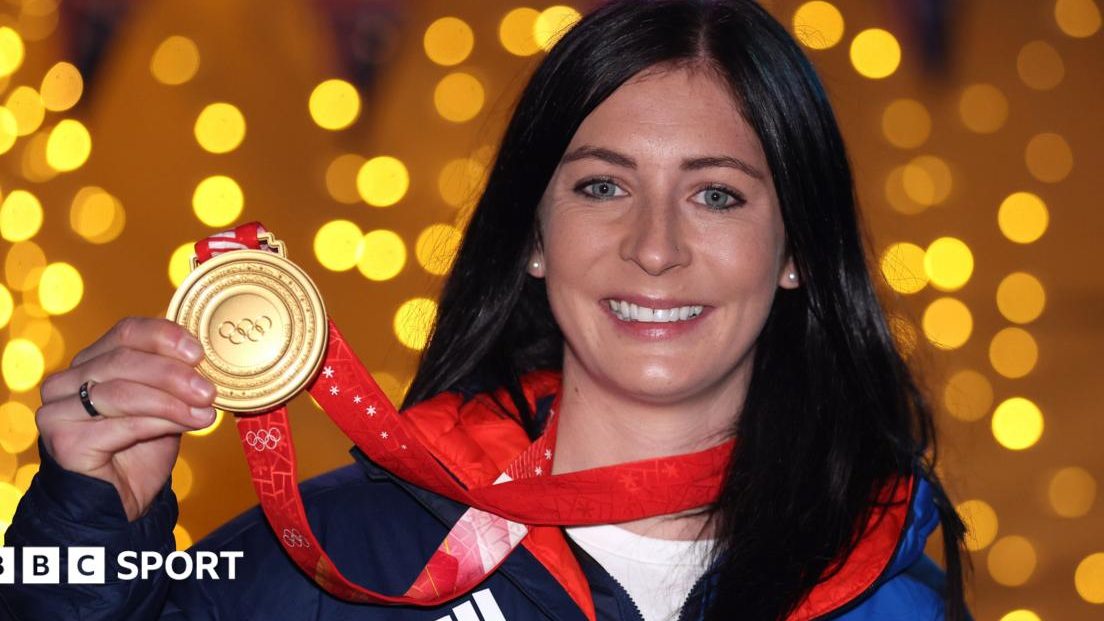
She walked away from the ice four years ago as an Olympic champion, her legacy seemingly sealed. But Eve Muirhead, the Winter Games gold medallist who led Great Britain’s women’s curling team to glory, has just torn up her retirement notice. The announcement, which landed this week, confirms that her time as Team GB’s chef de mission at this year’s Winter Games did not satisfy her competitive appetite. It reignited it.
From the Podium to the Boardroom, and Back Again
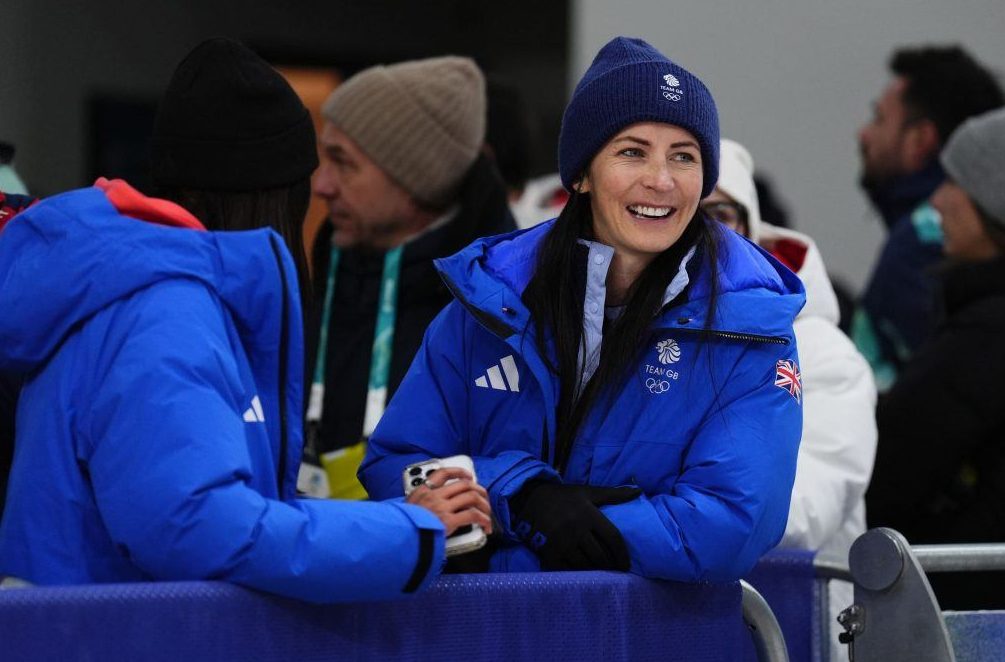
There is something almost poetic about a champion returning to competition not because the fire never died, but because watching others compete brought it roaring back. That is precisely what happened to Muirhead. Stepping into the administrative role of chef de mission for Team GB at the 2026 Winter Olympics put her in the thick of elite sport without a broom in her hand, and apparently, that was all the motivation she needed.
According to reporting from the BBC, Muirhead has directly credited her experience at this year’s Games with inspiring her decision to return to the sport she defined for a generation of British curling fans. She did not frame the comeback as unfinished business. She framed it as a rediscovery.
That distinction matters. Athletes who return to chase a trophy they feel was stolen from them are a familiar story. Athletes who return because standing close to greatness reminded them they still belong in it? That is rarer, and considerably more compelling as a sporting narrative.
A Career That Already Reached the Summit
Let us be clear about what Muirhead is returning from. She is not some journeyman trying to claw back relevance. She is a Winter Olympic gold medallist, one of the most decorated curlers Britain has ever produced. Her 2022 triumph in Beijing was the kind of moment that defines entire careers, and most athletes would have considered it the perfect exit.
Muirhead did, for a time. Four years away from competitive curling is not a sabbatical. It is a full chapter of a different life lived. She transitioned into a leadership role within British sport, taking on the chef de mission position for Team GB, a role that carries significant responsibility in coordinating and supporting athletes across an entire national Olympic delegation.
And yet. The competitive instinct does not always cooperate with the plans we make for it.
What a Comeback Actually Means for British Curling
For the sport itself, Muirhead’s return is a significant moment. British curling has benefited enormously from her presence at the elite level, both in terms of results and in terms of the profile she brings to a sport that lives in the shadow of more mainstream winter disciplines. Her name carries weight. Her return signals to younger players that the standards she set are still the benchmark worth chasing.
There is also a broader conversation worth having about what leadership roles in elite sport do to former athletes. The conventional wisdom says that transitioning into coaching, management, or ceremonial positions represents a natural and final step away from competition. Muirhead’s situation challenges that assumption. Being around the highest level of performance, responsible for other athletes’ welfare and ambitions, clearly kept her own competitive identity alive rather than putting it to rest.
The Psychology of the Elite Athlete’s Return
Sports psychology has long documented the complexity of athletic identity, the way a person’s sense of self becomes so tightly bound to their sport that stepping away can feel like losing a piece of who they are. What is less frequently discussed is the way proximity to competition, especially in a leadership capacity, can reverse that process and pull someone back toward the arena.
Muirhead’s case reads like a case study in exactly that phenomenon. She did not struggle in obscurity and decide to try again. She thrived in a different role, stayed connected to the culture of elite sport, and found that connection rekindled something she thought she had put down. That speaks to the depth of her relationship with curling, not a desperation for relevance.
What Comes Next
The practical questions now take centre stage. Competitive curling demands physical conditioning, team chemistry, and the kind of match sharpness that only consistent competition builds. Four years is a significant gap to bridge, regardless of how naturally gifted the athlete returning might be. Muirhead will know this better than anyone.
But then again, she has done difficult things before. Winning Olympic gold is not achieved by people who shy away from hard roads. If her return carries even a fraction of the determination that drove her to Beijing glory, dismissing her chances would be a mistake anyone with a knowledge of her career should know better than to make.
The curling world will be watching. And if the reaction to her announcement is anything to go by, they are watching with a great deal of enthusiasm.
Eve Muirhead stepped into a leadership role and ended up leading herself back to where she belongs. The only question worth asking now is this: how far can she go, and does she have one more defining chapter left to write on the ice?