

Rwanda’s food and drug regulator moved swiftly and without apology last Saturday, issuing a public order that shut down eight alcohol manufacturers, revoked their production licences, and demanded the immediate removal of dozens of beverages from every shop, distributor, and retailer in the country. It is the kind of decisive regulatory action that catches an entire industry off guard, and for good reason.
The Rwanda Food and Drugs Authority confirmed the crackdown followed a series of regulatory inspections and compliance assessments carried out across manufacturing facilities. The findings were, apparently, serious enough to warrant not just fines or warnings, but full closures and the cancellation of operating licences.
The Eight Companies at the Centre of the Storm
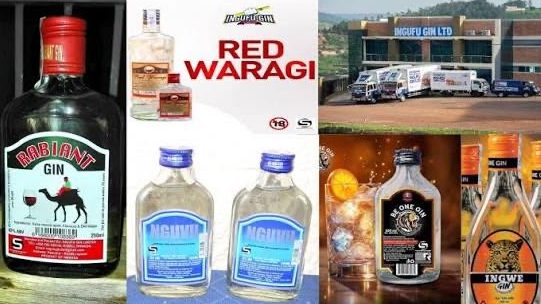
The list of affected manufacturers reads like a cross-section of Rwanda’s growing local spirits industry. Ingufu Gin Ltd, NBG Ltd, Sky Drop Industries Ltd, Africana Buffalo Ltd, NOPA Company Ltd, Roots Investment Group Ltd, Rugali Agro-processing Company, and Zhonglu Industrial Liability Company Ltd have all had their production halted with immediate effect.
These are not shadowy backroom operations. Several of these companies had products sitting on supermarket shelves and moving through established distribution networks. That is precisely what makes this recall so significant. The Rwanda FDA is not just targeting illicit brewers operating in the shadows. It is going after facilities that had the paperwork, the premises, and the supply chains, but apparently not the safety standards.
The Brands Being Pulled From Market
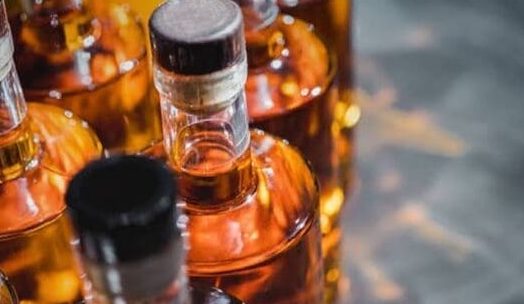
The list of recalled beverages covers a wide range of locally produced spirits. Red Waragi, Royal Castle Gin, King’s Vodka, Medal Gin, United Flavoured Gin, Maguma Gin, Saint Nero Gin, Veritas Gin, Churchill Whisky, Moonlight Vodka, Levi Gin, Hope Man Gin, Rack Gin, and Jumongo Whisky are all named in the order. The regulator also made clear that any other alcoholic beverage produced by these eight facilities is automatically subject to the recall, even if not individually listed.
For consumers, the instruction is direct and urgent: stop drinking these products immediately. Distributors and retailers have been told to pull remaining stock and return it to suppliers. Manufacturers, meanwhile, have a three-working-day window to submit recall reports to the authority. Non-compliance is not a grey area here. The Rwanda FDA has warned that further enforcement action will follow for anyone who drags their feet.
Why This Crackdown Is Long Overdue
Rwanda’s alcohol consumption figures tell a story that the regulator can no longer afford to ignore. A survey conducted by the Rwanda Biomedical Center found that alcohol use among the population rose from 41 percent in 2013 to 48 percent in 2022. That is a significant jump in less than a decade, cutting across different age groups and genders. More people are drinking, and not all of what they are drinking is safe.
The darker thread running through this crackdown is methanol. Rwandan authorities have spent years battling illicit alcohol laced with toxic substances, particularly methanol, a chemical that has been directly linked to fatal poisonings and cases of permanent blindness. When a product is consumed and the drinker wakes up unable to see, or does not wake up at all, the failure of regulatory oversight becomes impossible to defend.
Methanol contamination is not a uniquely Rwandan crisis. Across sub-Saharan Africa and beyond, unscrupulous producers have cut corners by substituting or mixing ethanol with cheaper, deadlier compounds. The results are consistently catastrophic. What differs from country to country is how aggressively regulators respond. Rwanda, at least on this occasion, is responding with force.
What This Means for the Broader Industry
For legitimate alcohol producers operating in Rwanda, this moment carries a pointed message. The era of light-touch enforcement appears to be over. Any manufacturer banking on inspections being infrequent or consequences being mild should be updating their risk assessments right now.
There is also an economic dimension to consider. Eight shuttered facilities means lost production, disrupted supply chains, and workers suddenly without employment. Some of these companies may have the capacity to clean up their operations, meet the required standards, and eventually return to market. Others may not survive the financial hit of a full shutdown and licence revocation. The Rwanda FDA has not signalled any leniency or fast-track path back to operation.
For retailers and distributors caught in the middle, the message is equally clear. Stocking or continuing to sell recalled products is not a passive act. It carries its own regulatory risk, and the authority has made that plain.
A Turning Point for Public Health Governance in Rwanda
Rwanda has built a reputation over the past two decades for institutional discipline and governance efficiency that many of its neighbours openly admire. This recall fits that pattern. It is not a reactive scramble triggered by a mass poisoning event. It is a proactive enforcement action grounded in inspections, which suggests the Rwanda FDA has been building toward this moment deliberately.
The challenge now is follow-through. A recall notice is only as powerful as the system behind it. If products continue to circulate informally after the official deadline, or if recalled stock quietly finds its way back through informal channels, the authority’s credibility takes a hit. Rwanda’s regulators know this, which is why the warning about further enforcement action is not diplomatic padding. It is a structural necessity.
Public health governance in Africa is at its most effective when institutions act before the body count rises. This recall, if enforced properly, could represent exactly that kind of prevention. The question now is whether Rwanda has the inspectorate capacity and the political will to sustain this pressure beyond the initial announcement.
If you have any of the listed products at home, the Rwanda FDA’s guidance is simple: put it down and return it. That is not alarmism. That is the regulator doing exactly what regulators exist to do.
What do you think should happen to manufacturers found producing unsafe alcohol? Should criminal charges follow, or is licence revocation enough to protect the public?