









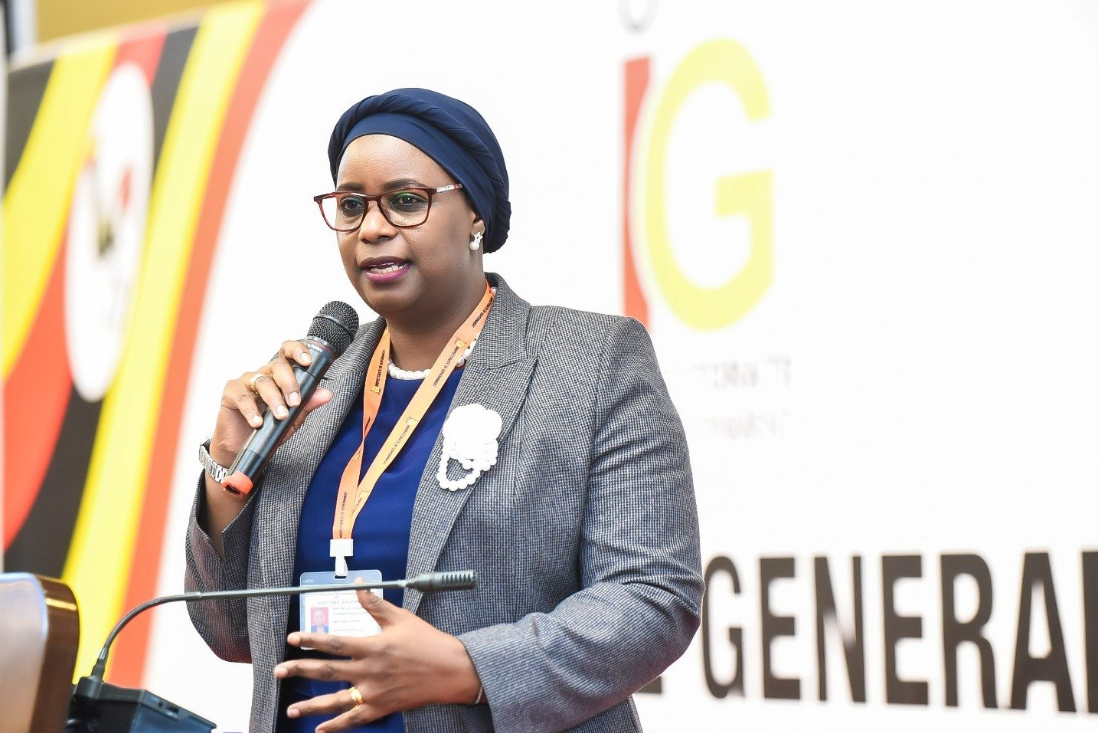
Seven senior officials attached to Uganda’s Parliament have been pulled off their posts, stripped of active duties, and left to await the verdict of criminal proceedings at the Anti-Corruption Court. The directive, signed by Inspector General of Government Lady Justice Naluzze Aisha Batala on July 31, 2026, lands like a thunderclap inside one of the country’s most powerful institutions, and it sends a message that is hard to misread: no office is untouchable.
The Names, the Roles, and the Weight of the Moment
The IGG’s letter was addressed to the Clerk to Parliament, Adolf Mwesige, instructing him to immediately interdict the named officials. These are not low-level clerks hiding in the back rows. The list reads like a who’s who of Parliament’s operational backbone.
Chris Obore, the Director of Communications and Public Affairs, is among those suspended. His role as the public face of Parliament’s messaging makes his interdiction particularly striking. Right beside him on the list is Daniel Adilo, Director of Human Resource, the person who would ordinarily oversee staff conduct and institutional integrity. The irony is sharp.
Rajab Kaaya Ssemalulu, a Principal Research Officer, and Emmanuel Emuron Okwi, a Principal Protocol Officer, also feature prominently. Then there is Vincent Otebata, a Capacity Development Officer, Leonard Okema, Executive Secretary in the Office of the Speaker, and Stella Itute, an Office Supervisor attached to the same high-profile wing of Parliament. Together, they represent a cross-section of departments that touch everything from public communication to the Speaker’s inner circle.
You can read the full details of the IGG directive as reported by NTV Uganda, which first broke the story following the July 31 directive.
What Interdiction Actually Means
For those unfamiliar with the mechanics of public service in Uganda, interdiction is not a dismissal. It is a suspension from active duty pending the outcome of legal proceedings. The officials still exist within the public service framework, but they are barred from performing their functions. Their files are effectively frozen while the courts do their work.
This distinction matters. It means Parliament is not technically firing anyone yet. But the reputational damage is immediate, and the practical effect on day-to-day operations is real. Seven positions across critical departments now sit in limbo, creating gaps that Parliament’s administration will need to address, formally or informally.
It also places the Clerk to Parliament in an uncomfortable position. Mwesige now has to manage an institution from which seven senior figures have been publicly removed, while also ensuring that the institution continues to function without those individuals influencing any processes that could touch their cases.
A Broader Signal From the IGG’s Office
Lady Justice Naluzze Aisha Batala has not been shy about using the IGG’s powers since taking the helm of the office. Interdiction orders targeting public servants are among the sharpest tools available to her office, and deploying one against Parliament specifically carries symbolic weight beyond the individual cases involved.
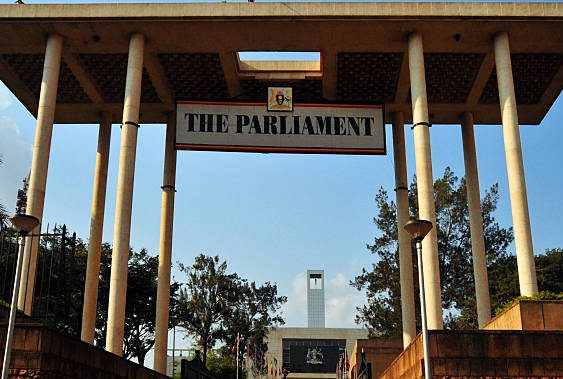
Parliament is the seat of legislative authority. It is where laws against corruption are debated and passed. When the very institution charged with crafting anti-graft legislation finds its own senior staff in the dock at the Anti-Corruption Court, the political discomfort is unavoidable. Critics of Uganda’s governance structures have long argued that accountability mechanisms need to apply uniformly, not just to low-ranking civil servants or opposition-adjacent figures. This development offers some evidence that the IGG’s office is willing to follow cases wherever they lead.
The Anti-Corruption Court Connection
The fact that criminal proceedings are already before the Anti-Corruption Court signals that these cases have moved beyond the investigative stage. Charges have been framed. The accused are, under the law, presumed innocent until proven otherwise, but the machinery of prosecution is in motion. The IGG’s interdiction order is essentially a parallel administrative measure running alongside the judicial process, ensuring that the accused cannot continue exercising institutional authority while their cases are heard.
Uganda’s Anti-Corruption Court has handled high-profile cases before, and its record on accountability has been a subject of ongoing public debate. Whether these seven cases move swiftly or drag through the system will be closely watched by civil society groups, opposition voices, and ordinary Ugandans who have grown tired of seeing corruption allegations dissolve into bureaucratic delays.
Parliament’s Credibility on the Line
There is a broader reputational question hanging over Parliament right now. An institution that functions as the public’s primary check on executive power cannot afford to be seen as a safe harbour for corrupt practices. Every directive like this one chips away at public trust, even as it simultaneously represents the system working as it should.
The pressure is now on Parliament’s leadership to respond decisively, cooperate fully with investigators, and avoid any appearance of protecting the interdicted officials. The Speaker’s office is directly implicated through Leonard Okema’s position as Executive Secretary there, which adds another uncomfortable layer to an already sensitive situation.
Uganda’s governance reforms have often been praised in principle and criticised in practice. The real test of this moment is not the interdiction order itself, but what follows: whether the cases are prosecuted rigorously, whether the court delivers timely and transparent rulings, and whether Parliament uses this episode to strengthen its internal oversight mechanisms rather than waiting for the IGG to knock again.
So here is the question worth sitting with: if corruption can take root in the very offices tasked with upholding Uganda’s legislative integrity, what does that say about the depth of institutional reform still needed, and are Ugandans willing to demand more than just interdiction orders?