




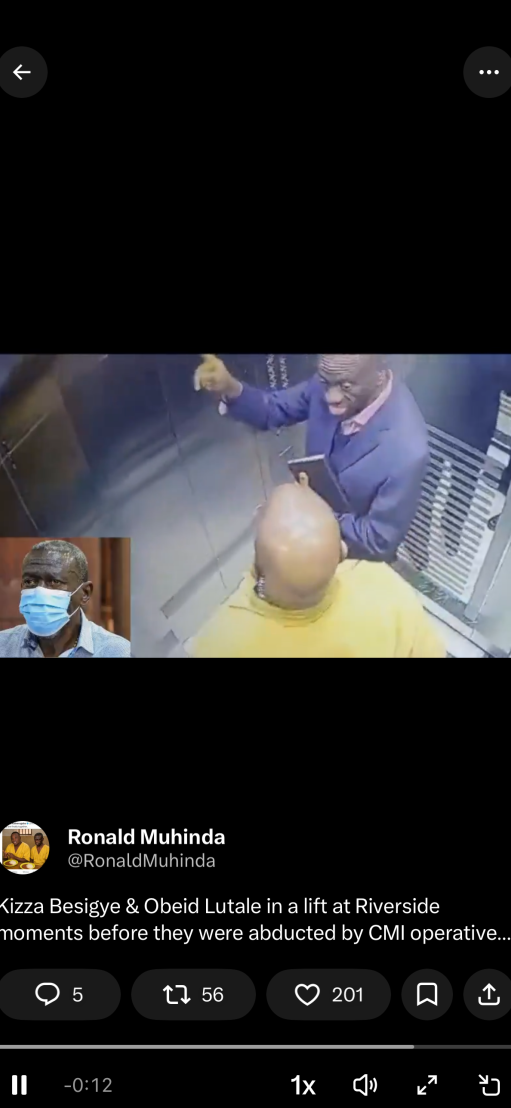
A short video clip from a lift inside Nairobi’s Riverside Apartments has reignited fury and fascination in equal measure. The footage, which spread rapidly across social media on Saturday, shows Ugandan opposition figure Dr. Kizza Besigye and his co-accused Hajji Obeid Lutale standing inside the elevator just minutes before the two men were seized on November 16, 2024. The clip surfaced at a particularly charged moment: prosecutors in Kampala had only just begun laying out their evidence in the treason case before Uganda’s High Court Criminal Division, and the timing of the leak has left many asking hard questions about how closely guarded court exhibits find their way onto X.
What the Camera Saw
Besigye’s aide, Ronald Muhinda, was among the first to post the clip publicly. His message alongside the video was pointed and unambiguous. According to Muhinda, the two men were “abducted” from the Riverside building by operatives from Uganda’s Chieftaincy of Military Intelligence, naming Lt. Col. Ephraim Byaruhanga and Col. Peter Ahimbisibwe as the individuals responsible. He described what followed as an illegal rendition to Uganda, after which both men have remained in custody on charges of treason, charges that both Besigye and Lutale deny.
The choice of the word “rendition” carries significant legal and diplomatic weight. Kenya and Uganda are both signatories to international frameworks that govern the transfer of suspects between countries, frameworks that require formal extradition processes with judicial oversight. Opposition voices in Uganda have long argued that the men’s removal from Kenyan soil bypassed all of that. The Kenyan government, for its part, has not publicly clarified what role, if any, its own authorities played in the events of that November morning.
A Trial Already Under Strain
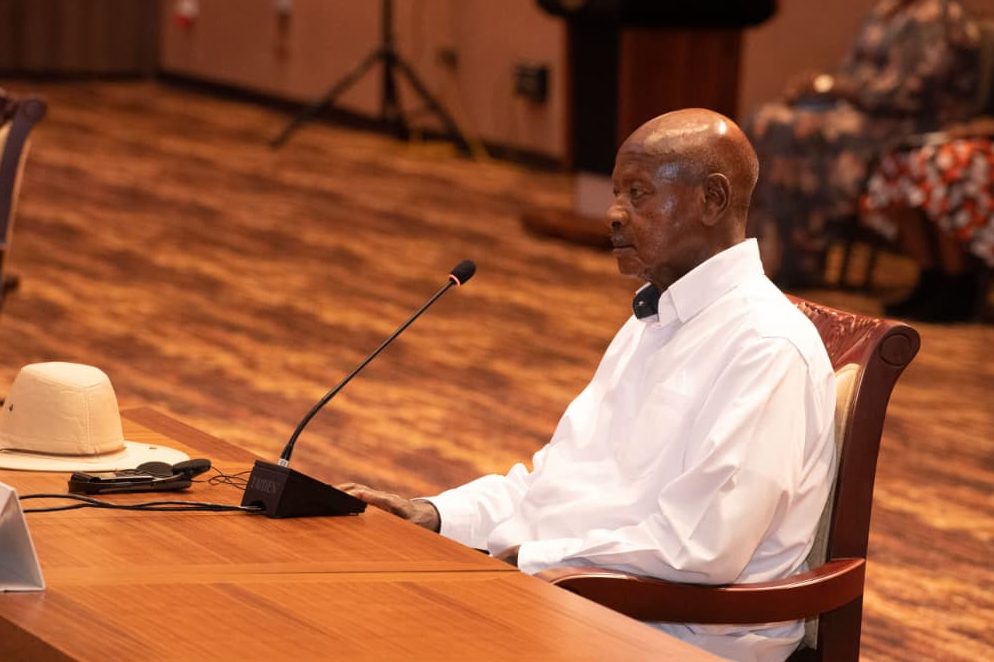
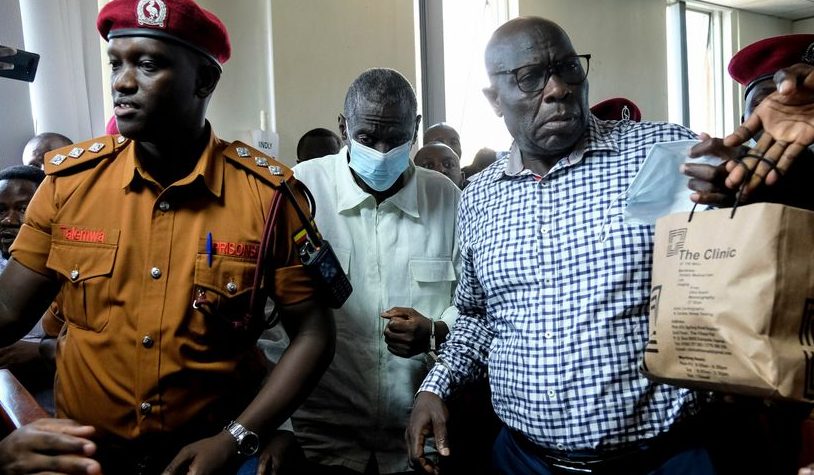
The leak landed at an already turbulent point in proceedings. Earlier in the same week the video surfaced, Besigye collapsed inside the courtroom dock, a moment dramatic enough to force the presiding judge to adjourn the session. The High Court subsequently directed the Uganda Prisons Service to produce a medical report on his condition before hearings resume. For those following the case closely, his deteriorating health has become as much a part of the story as the charges themselves.
The treason case involves three accused individuals: Besigye, Lutale, and Uganda People’s Defence Forces Captain Denis Oola. According to the prosecution, the trio participated in a coordinated conspiracy stretching across multiple countries, specifically Uganda, Kenya, Greece, and Switzerland, with the alleged aim of removing President Yoweri Museveni’s government through force. All three have denied involvement. The prosecution’s geographic sweep of the alleged plot is itself notable, suggesting either a sophisticated cross-border network or, as the defence would likely argue, an overreach designed to justify extraordinary measures of detention.
The Evidence Question
One of the more awkward subplots of the video’s emergence is the question of origin. The CCTV recording is widely believed to be among electronic exhibits formally submitted by the prosecution during the ongoing High Court proceedings. If that is correct, the clip’s appearance online raises uncomfortable questions about how material from an active criminal trial enters public circulation. Neither the Office of the Director of Public Prosecutions nor the court has offered any comment on the matter, as reported by Chimpreports.
The silence from official quarters has done nothing to stop speculation. Some observers argue the leak was deliberate and strategic, intended to shape public opinion ahead of further prosecution disclosures. Others suggest the footage’s very existence as a court exhibit is evidence that the state acknowledges what happened in that Nairobi building, even if the legal framing of those events remains sharply contested.
Why Riverside Apartments Matters
Nairobi’s Riverside Drive district is known as an upscale, internationally connected part of the city. The Riverside Apartments building sits within a neighbourhood that houses diplomats, NGO workers, and business executives, a location far removed from the kind of setting where covert state operations typically unfold in public imagination. The CCTV footage places two men in an ordinary domestic moment, riding a lift, moments before their lives changed dramatically. That contrast, the banality of the setting against the severity of what allegedly followed, is part of what has given the clip such emotional resonance online.
For Uganda’s opposition and its supporters both at home and in the diaspora, the video functions as something close to visual proof of a narrative they have maintained since November 2024: that Besigye was not arrested through legitimate law enforcement channels but was instead removed from a foreign country without due process. For the government’s supporters, the footage proves only that the accused were present in Nairobi, nothing more.
What Comes Next
With the prosecution mid-way through presenting its case and Besigye’s health now a formal concern of the court, the trial faces a complicated road ahead. The medical report ordered by the judge could influence the pace of proceedings. A defendant unable to participate meaningfully in his own defence raises procedural questions that no court takes lightly, particularly in a case with this level of international visibility.
The video’s circulation, meanwhile, has ensured that the diplomatic dimension of the case remains in focus. If the footage does originate from prosecution exhibits, both the Ugandan legal system and its Kenyan counterpart may eventually have to address whether what happened on November 16, 2024, met the standards required under international law for the lawful transfer of individuals across borders.
As the High Court prepares to reconvene and a medical report makes its way through the prison system, one question hangs over everything: if a surveillance camera in a Nairobi lift captured the full picture of what happened that day, who else has footage that has not yet been made public?