


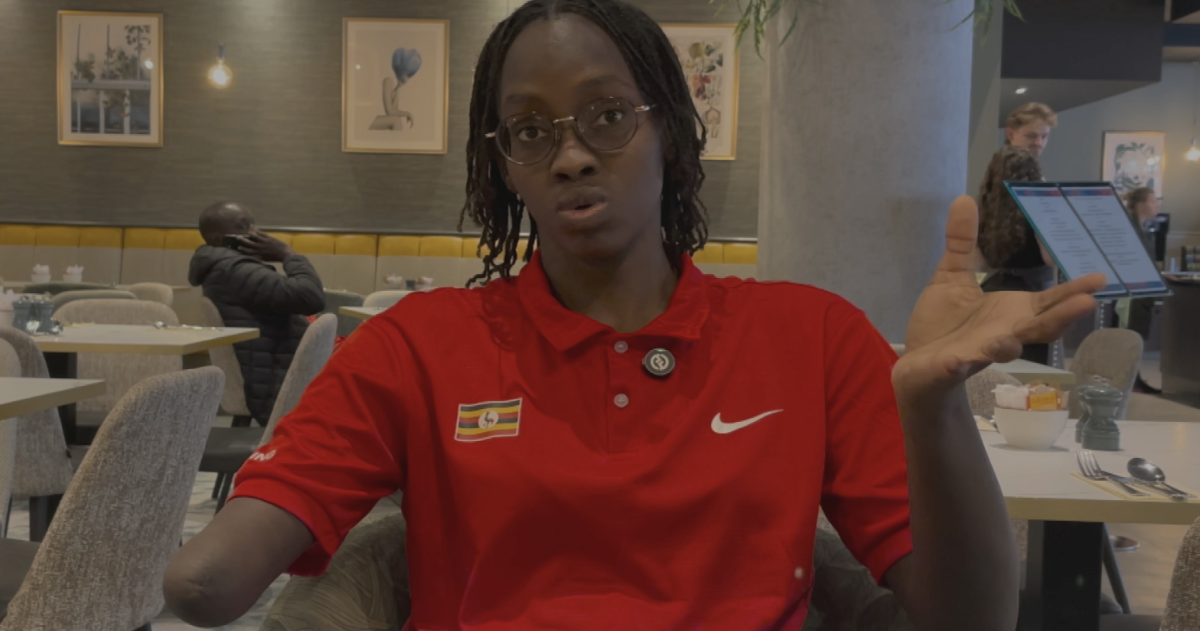
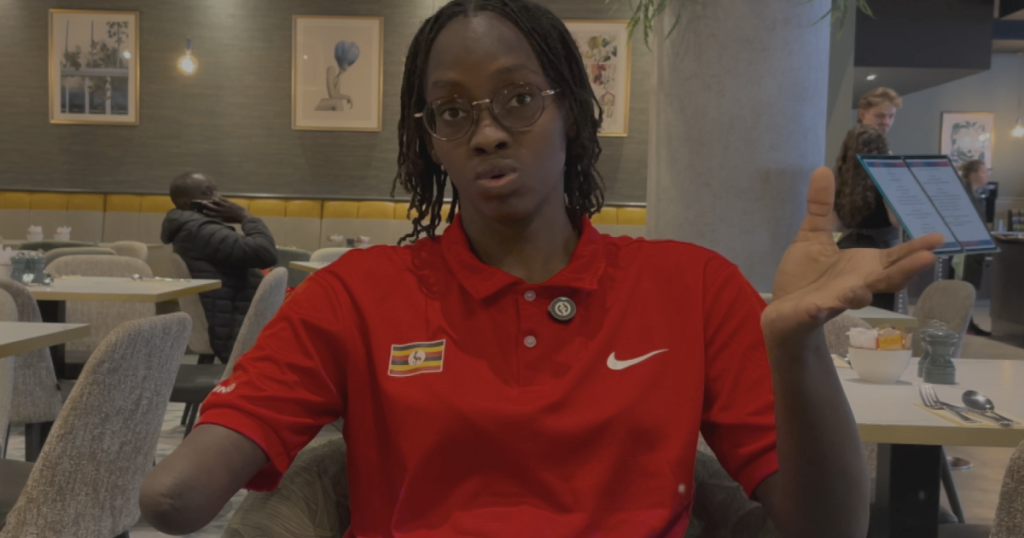
Before August 2026, no Ugandan swimmer had ever stood on a Commonwealth Games podium. That changed when 19-year-old para swimmer Husnah Kukundakwe touched the wall in the women’s 100-metre breaststroke SB8 event at the Glasgow 2026 Commonwealth Games, finishing with a silver medal that rewrote her country’s sporting record books in an instant.
A Moment Uganda Had Never Seen
Ugandan sport has produced its share of world-class athletes over the decades, particularly in athletics and boxing. But competitive swimming has long remained a frontier the country had yet to conquer on the Commonwealth stage. Kukundakwe’s silver is not simply a personal achievement, it is a landmark that generations of future Ugandan swimmers will look back on as the moment the door opened.
The SB8 classification in para swimming is contested by athletes with a range of physical impairments, and competition at the Commonwealth level is fierce. To finish second in that field, at 19 years of age, against swimmers from nations with far deeper sporting infrastructure and funding, speaks to something extraordinary in this young woman.
Who Is Husnah Kukundakwe?
Kukundakwe is not a name that appeared overnight. She has been building toward this moment through years of dedication in a country where para sport does not always receive the spotlight or the resources it deserves. At 19, she competes with a maturity and technical discipline that coaches typically spend years trying to develop in athletes.
Para swimming demands not just physical conditioning but an acute understanding of body mechanics specific to each classification. Athletes in the SB8 category must adapt their technique in ways that able-bodied swimmers never have to consider, and doing so at an elite level requires both coaching excellence and personal resilience. Kukundakwe clearly has both in abundance.
What the Silver Medal Means for Ugandan Sport
Sports history is made of firsts, and firsts matter because they collapse the idea that something cannot be done. Before Roger Bannister ran a mile in under four minutes, the four-minute barrier felt permanent. Before Kukundakwe claimed her silver, a Commonwealth swimming medal for Uganda existed only as a distant aspiration.
Now it exists as a fact. And facts, in sport, have a way of inspiring the next generation. Young swimmers across Uganda will now grow up knowing that a girl from their country stood on that podium in Glasgow. That knowledge alone could prove more valuable than any government sports programme or infrastructure investment.
As NTV Uganda reported, Kukundakwe herself has been reflecting on the magnitude of what she accomplished in Glasgow, and it is hard to imagine the weight of carrying that kind of history on such young shoulders.
The Bigger Picture for Para Sport in Africa
Africa’s presence in para swimming on the world stage has grown steadily, but medals at major multi-sport games remain relatively rare compared to the continent’s performances in track and field. Every podium finish by an African para athlete at a Commonwealth Games or Paralympic event shifts perceptions, both globally and within African nations where para sport often struggles for visibility and funding.
Uganda, like many African countries, has a para sport community that operates with far fewer resources than its counterparts in Europe, Australia, or North America. When an athlete like Kukundakwe wins against that backdrop, it carries a dual weight: the weight of personal triumph and the weight of proving that investment in para sport produces results worth celebrating.
What Comes Next for Kukundakwe
At 19, Kukundakwe is barely at the beginning of what could be a long and decorated career. The 2028 Paralympic Games loom large on the horizon, and with a Commonwealth silver already on her resume, she will enter that cycle as one of Uganda’s most credible medal prospects. The question now is whether the structures around her, the coaching, the funding, the national support, will grow to match her talent.
Commonwealth Games silver medals have a way of opening doors. Sponsors pay attention. National sports bodies pay attention. And the global para swimming community certainly pays attention. Kukundakwe is no longer an unknown quantity. She is a record-holder, a history-maker, and, as of this August, one of the most compelling stories in African sport.
A Nation Celebrates, and Rightly So
Uganda has cheered its athletes across many disciplines over the years. Marathon runners, boxers, and rowers have all flown the Ugandan flag with pride on international stages. But this silver from the pool in Glasgow feels different, because it came from a place no Ugandan swimmer had ever reached before.
Kukundakwe did not just win a medal. She established a precedent, proving that Ugandan swimming belongs in the conversation at the highest levels of Commonwealth competition. That is the kind of achievement that echoes long after the scoreboard is switched off and the crowds go home.
The silver sits in history now, permanent and undeniable. And as Uganda processes what this young athlete has accomplished, one question lingers naturally: which young Ugandan swimmer, watching from home in 2026, will be the next to follow Kukundakwe onto that podium?