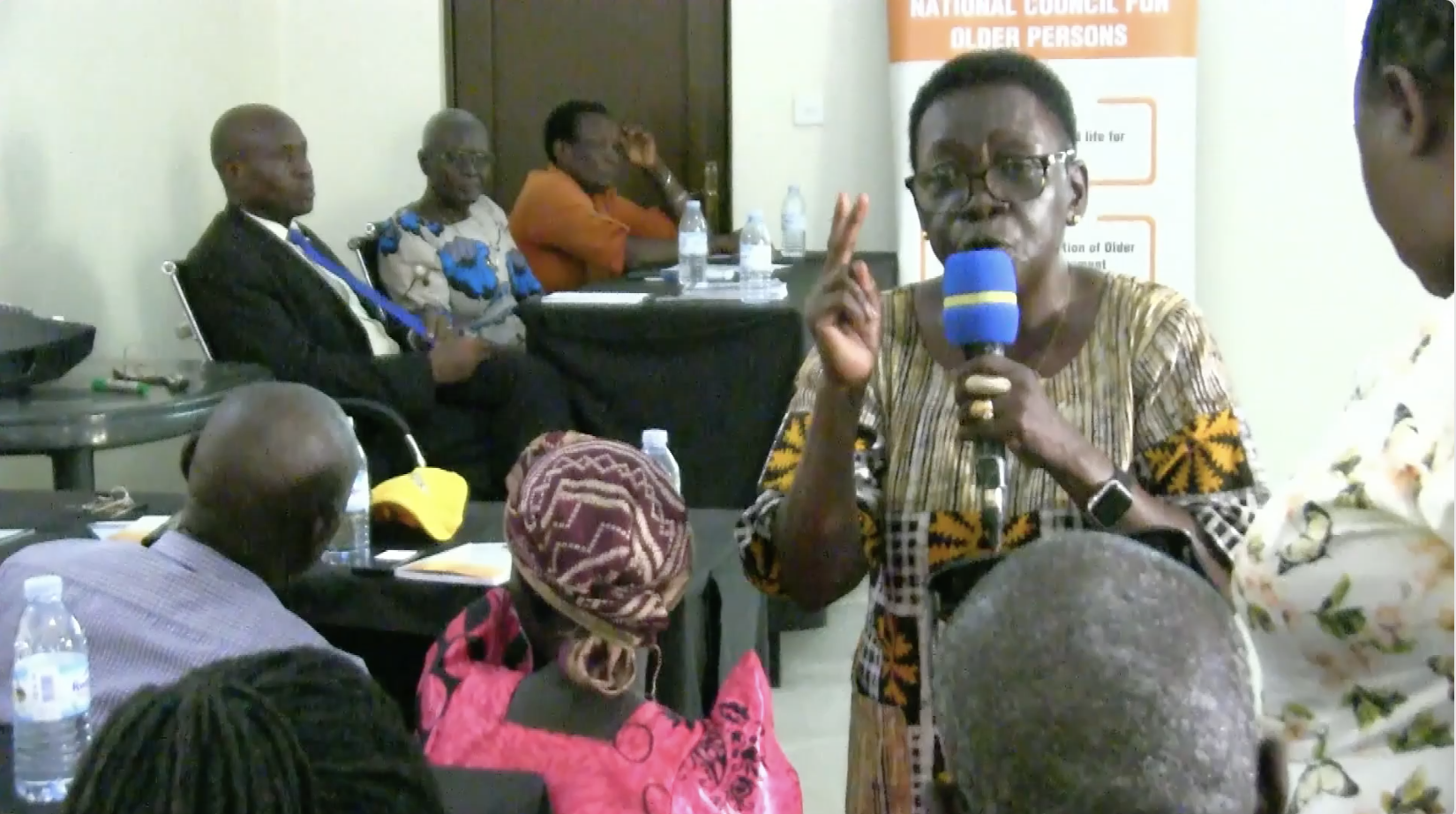



Older persons from Uganda’s Teso sub-region have delivered a pointed message to their government: the country’s most vulnerable citizens deserve a healthcare safety net, and they want it codified into a National Health Insurance Scheme. The appeal came during an orientation exercise held for newly elected district office bearers drawn from across the Teso sub-region, following elections conducted earlier this year. It was not a protest. It was not a petition left on some bureaucrat’s desk. It was a direct, face-to-face demand made in a room full of freshly mandated leaders, and that makes it harder to ignore.
According to NTV Uganda, the gathering brought new district leaders together to familiarise themselves with their roles and responsibilities. But older persons seized the moment to put their most pressing concerns on the table, with affordable healthcare and broader social protection sitting squarely at the top of the list.
Why the Timing of This Call Matters
There is a particular kind of political logic to raising this issue during an orientation for new district leaders. These are people who are still forming their policy priorities, still mapping out what they intend to champion during their tenure. Getting in front of them early, before the bureaucratic machinery of local government pulls their attention in a dozen different directions, is a smart and strategic move by the older persons’ community.
The Teso sub-region, located in eastern Uganda, is home to a significant population of older adults who rely heavily on government health facilities. For many, private healthcare is simply not a financial option. When a chronic illness hits, or when the body starts requiring the kind of consistent medical attention that age inevitably demands, the absence of a structured insurance framework means families must absorb costs that can be catastrophic. The difference between a hospital visit that gets managed and one that drains a family’s entire savings often comes down to whether or not an insurance buffer exists.
What a National Health Insurance Scheme Would Actually Mean
A National Health Insurance Scheme, in the way most functioning models work globally, pools contributions from citizens, employers, and the government to create a fund that covers medical expenses for enrolled members. Countries like Ghana pioneered the concept in sub-Saharan Africa with its National Health Insurance Authority, launched in the early 2000s. While implementation has had its challenges, the fundamental principle has helped millions of Ghanaians access care they otherwise could not afford.
Uganda has been in conversation about similar frameworks for years, but concrete implementation has remained elusive. For older persons, particularly those who are no longer in formal employment and therefore cannot contribute through a payroll-based system, the scheme would need to account for subsidised or government-funded enrolment. That is not an unreasonable ask. It is, in fact, the standard approach in countries that have made universal health coverage a genuine policy priority.
The Specific Needs of an Ageing Population
Elderly individuals carry a disproportionate burden of non-communicable diseases. Hypertension, diabetes, arthritis, and respiratory conditions are far more common among older adults, and they require ongoing management rather than one-off treatment. That is fundamentally different from the episodic healthcare model that cash-pay systems tend to support. You cannot manage a chronic condition if you can only afford to see a doctor when things become critical.
Beyond physical health, older persons in Teso are also navigating reduced income, limited mobility, and in many cases, the absence of family support networks as younger generations migrate to urban centres. Healthcare access does not exist in a vacuum. It sits inside a broader ecosystem of social protection, and right now, that ecosystem has significant gaps for Uganda’s elderly population.
New Leaders, Real Responsibility
The orientation exercise was designed to prepare newly elected district office bearers for the demands of their roles. What older persons in Teso have done is remind those leaders that preparation includes understanding who they serve and what those constituents genuinely need. It is easy for local government leadership to default to infrastructure conversations, roads and boreholes and market stalls. Those things matter. But healthcare is the foundation on which everything else rests. A person who cannot access affordable medical care is not fully able to participate in economic or civic life.
The fact that the message came through an organised platform, with new leaders in the room, suggests that older persons’ organisations in Teso are not simply hoping for change. They are actively working to shape the conditions that make change possible. That kind of civic engagement deserves recognition and, more critically, a response from the government officials who were present.
A Pattern Across Uganda
It would be a mistake to read this as a Teso-specific issue. Calls for a National Health Insurance Scheme have come from multiple quarters across Uganda over the years, from health professionals, civil society groups, and development partners. The Teso sub-region’s older persons are adding their voices to a chorus that is growing louder and more geographically diverse with each passing year. At some point, the weight of that accumulated demand has to translate into policy action.
Uganda’s government has acknowledged the importance of universal health coverage in various national planning documents. The question is always one of prioritisation and financing. Building a viable insurance scheme requires political will, sustained funding, and an administrative framework capable of reaching citizens in rural and semi-urban areas, which is precisely where much of Teso’s older population lives.
The Moment to Act Is Now
Uganda’s population is ageing. That is not a distant demographic trend, it is a present reality that health systems, local governments, and national policy makers need to build around today. The older persons of Teso are not asking for a favour. They are asking for a system that recognises their contributions to their communities over decades and provides a structure that supports their dignity and wellbeing in the years they have remaining.
When a room full of newly elected leaders hears this call, they carry a responsibility. They can note it and move on, or they can carry it forward into every policy conversation, every budget discussion, and every meeting with national government officials. The Teso sub-region’s elders have done their part by showing up and speaking clearly. Now the question falls to everyone else: how long will Uganda’s older citizens have to keep asking before someone in power decides that the answer is yes?
If you believe that every citizen deserves access to affordable healthcare regardless of age or income, share this article and join the conversation about what a National Health Insurance Scheme could mean for Uganda’s most vulnerable communities.