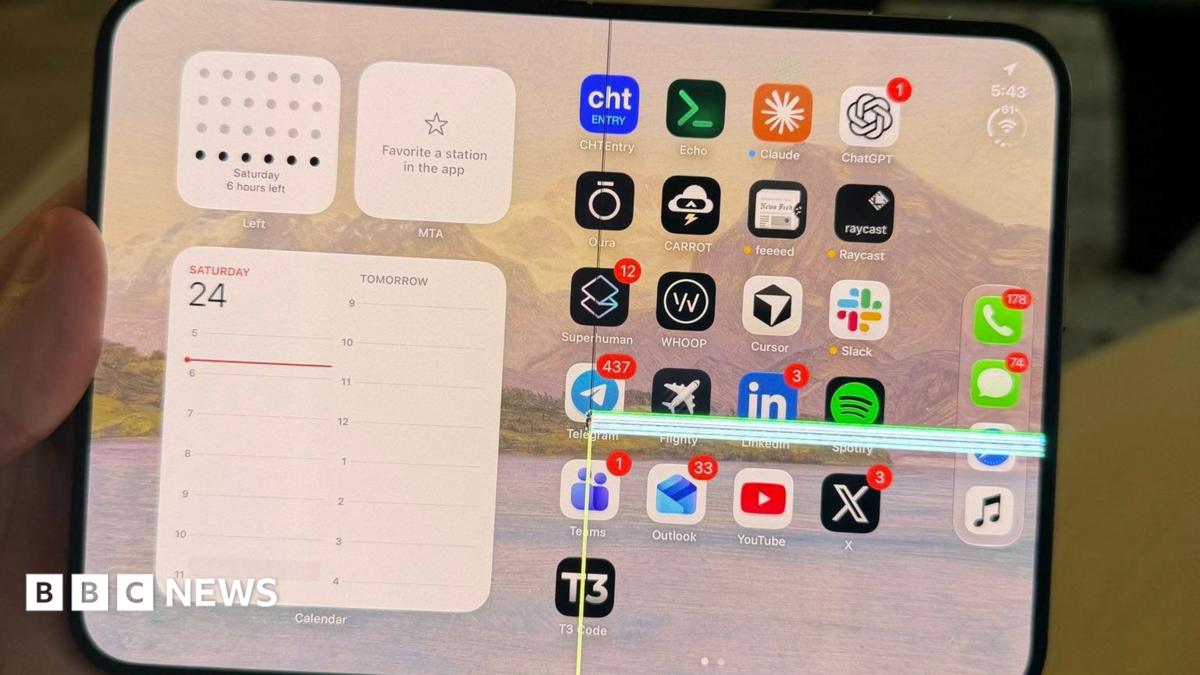



Apple’s historic entry into the foldable smartphone market has hit an uncomfortable snag. Within days of the iPhone Duo going on sale, a wave of users began posting photos on social media showing visible lines running across the inner displays of their brand-new devices. For a phone that starts at £1,999 in the UK (roughly $2,668), that is not the debut anyone at Cupertino had in mind.
What Exactly Is Going Wrong
The complaints are varied but consistent enough to raise eyebrows. Some iPhone Duo owners are reporting horizontal or vertical lines appearing on the inner screen, which is the folding display at the heart of the device’s whole identity. Others have posted images showing cracks developing along the centre crease, the exact spot where the phone folds. A few users have even described hearing a crunching noise when opening the handset, suggesting something mechanical may be misaligned in certain units.
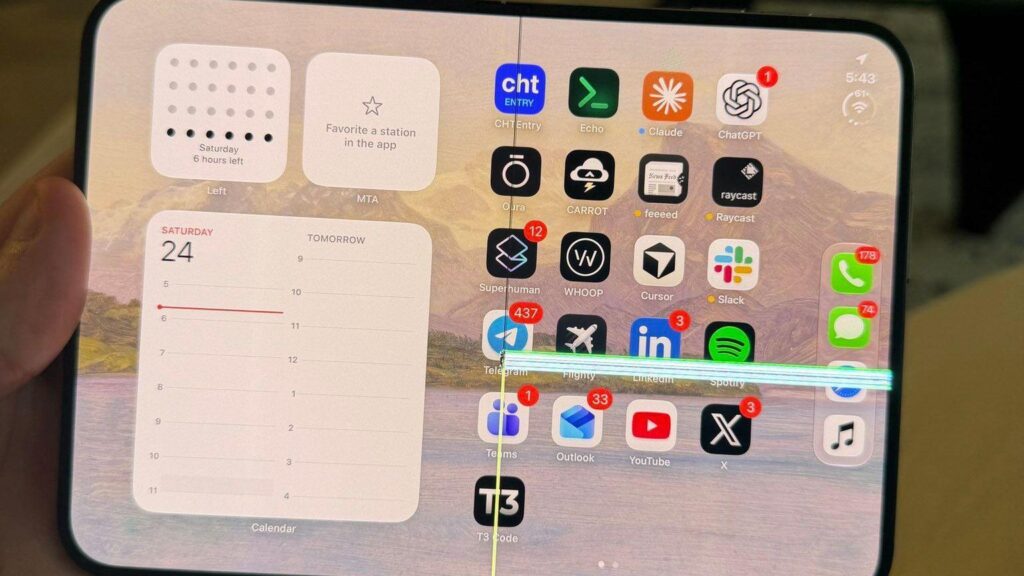
One user, Justin Lokos, shared an image of his iPhone Duo with lines cutting across the right side of the display. He later followed up with a photo of a fresh replacement unit sitting next to the defective one, crediting an Apple store in New York for sorting him out quickly. It was a small but telling moment: Apple is moving fast on replacements, which is the right call, even if the situation itself is a poor look.
Apple has since confirmed the problem publicly. The company acknowledged an issue affecting the inner display on a small number of iPhone Duo handsets and urged anyone experiencing the defect to get in touch for a replacement. Notably, Apple did not disclose how many units are affected, which leaves the true scale of the problem open to interpretation.
A Steep Learning Curve, Even for Apple
This is not just a PR problem. It speaks to something deeper about the inherent complexity of foldable technology. Francisco Jeronimo, a technology analyst at market research firm IDC, offered a measured read on the situation. He noted that some of the images circulating online may have been generated using AI, which means not every alarming photo should be taken at face value. A degree of caution is warranted before anyone calls this a production-wide catastrophe.
But Jeronimo also made a point that cuts through the noise: even a company with Apple’s engineering depth and supply chain discipline faces a real learning curve when it comes to foldables. And that is genuinely significant. Apple is not some scrappy startup cutting corners on materials. This is a company that obsesses over tolerances measured in fractions of a millimetre. The fact that foldable displays are still causing headaches at this level tells you everything about how technically unforgiving the format is.
The Bigger Stakes for Apple’s Device Strategy
The iPhone Duo is not just another new phone. It represents Apple’s most ambitious hardware pivot in years, a direct response to foldable devices from rivals that have spent the better part of five years refining the form factor. The launch itself generated the kind of buzzing queues outside Apple stores worldwide that the company has always loved to see. Momentum was building. The narrative was clean: Apple finally joins the foldable race and immediately sets the gold standard.
That narrative is now messier. Competitors who have shipped multiple generations of foldables will quietly note that their own early models had teething issues too. But those were different companies with different reputations riding on the outcome. Apple built its entire premium positioning on the idea that its products simply work, flawlessly, out of the box. A foldable that develops screen lines within days of purchase chips at that promise in a way that a software bug or a missing feature never quite could.
How Apple Handles This Will Matter More Than the Defect Itself
The reality is that early production defects, even at Apple’s scale, are not always brand-ending events. How a company responds is the real story. Apple moving quickly to replace affected units is the correct approach, and the experience of users like Justin Lokos suggests the in-store process is working. If Apple can resolve replacements smoothly, keep communication transparent, and identify the root cause of the display failures without a prolonged silence, the long-term damage can be contained.
What Apple cannot afford is a slow drip of new failure reports stretching into weeks or months. Foldable phones live and die on consumer confidence in the hinge and the flexible display. Every viral post of a cracked crease or a distorted screen is a small but compounding argument for a skeptical buyer to wait for generation two.
The iPhone Duo arrives at a price point that demands perfection. At nearly two thousand pounds, buyers are not extending goodwill the way they might for a budget device. They are expecting Apple’s legendary build quality to justify every penny. Right now, Apple has a narrow window to prove that this is an isolated stumble and not a sign that its foldable ambitions ran ahead of its engineering readiness.
So here is the question worth sitting with: if Apple, with all its resources and obsessive attention to quality, is struggling with the fundamentals of foldable display durability right out of the gate, should consumers be in any rush to pay premium prices for first-generation foldables from any manufacturer? Drop your thoughts below.