


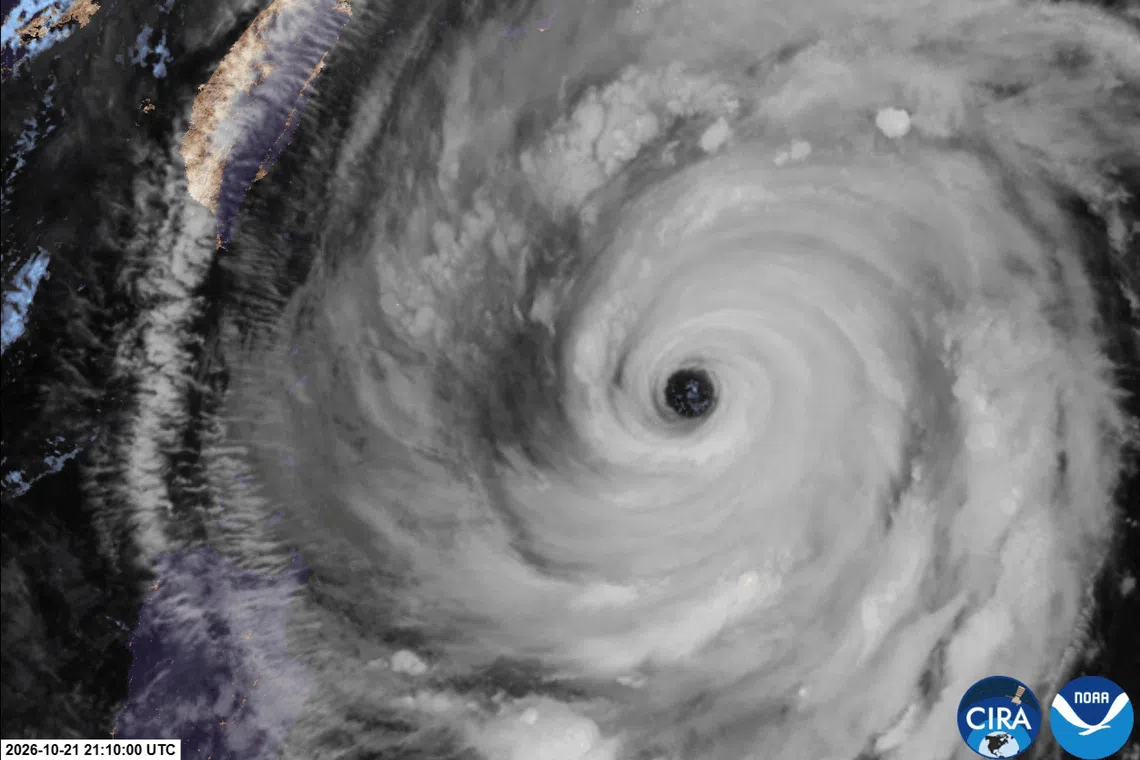
One person is dead, more than 500 are injured, and an entire island is picking up the pieces after Typhoon Champi ripped through Taiwan on Saturday, October 24, 2026. The storm, which had previously earned the alarming classification of super typhoon, knocked out power across wide stretches of the island, uprooted trees, and effectively brought daily life to a standstill in Taipei and beyond. Now, after delivering its punishment to Taiwan, Champi is drifting north, and the Chinese coast is next in its sights.
A Super Typhoon in All But Name
At its peak, Champi was among the strongest storms anywhere in the Pacific this year. Even in its weakened state as it crossed Taiwan, the system was far from spent. According to Taiwan’s Central Weather Administration, wind gusts near the storm’s centre were still howling at around 126 kilometres per hour, roughly 78 miles per hour. That is enough to peel roofs, toss debris like confetti, and turn ordinary streets into something resembling a disaster film set.
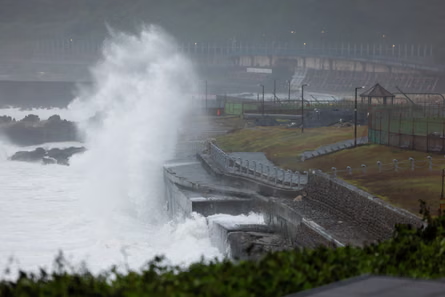
The storm’s earlier super typhoon status is worth pausing on. That classification is not handed out casually. It reflects sustained wind speeds and central pressure readings that place a cyclone in the upper tier of tropical systems globally. The fact that Champi arrived at Taiwan’s shores still packing significant punch, even after some weakening, says a great deal about the raw energy this system carried across the ocean.
Taiwan Shuts Down as Champi Passes Through
Authorities did not wait for Champi to arrive before acting. Large parts of Taiwan, the capital Taipei included, were essentially closed for business as the storm moved through. Flights were cancelled at airports across the island, leaving travellers stranded and logistics networks scrambled. Schools, offices, and public services shuttered, a familiar but necessary ritual for a place that sits squarely in the western Pacific’s most active typhoon corridor.
The human cost, while tragic, could easily have been far worse. One fatality and more than 500 injuries represent the visible toll, but the real story of a typhoon is often told in the days after, when the full scope of infrastructure damage, flooding, and displacement becomes clear. Power cuts affecting homes and businesses are already confirmed, and the process of restoring supply in hard-hit areas will take time.
As reported by The Guardian, the storm’s passage left Taiwan battered but broadly functional, a reflection both of the island’s robust disaster preparedness systems and the sheer good fortune that Champi did not stall or intensify further over land.
What Taiwan’s Experience Tells Us About Readiness
Taiwan sits in one of the world’s most typhoon-prone regions. Every year, between May and November, the island braces itself for storms that barrel in off the western Pacific with varying degrees of ferocity. Over decades, the island has developed finely tuned response mechanisms: early warning systems, coordinated evacuations, and a public largely conditioned to take storm advisories seriously.
That institutional muscle memory matters enormously. Pre-emptive flight cancellations, business closures, and public movement restrictions are not overreactions. They are the result of hard-won lessons from previous storms that caused catastrophic loss of life and property. The relatively contained casualty figures from Champi, given its intensity, reflect those systems working as intended.
Still, a death is a death, and hundreds of injuries represent real suffering. The infrastructure damage, the disrupted livelihoods, and the psychological weight of riding out a major typhoon are not trivial, no matter how well-prepared a society is.
China Prepares as Champi Tracks North
With Taiwan now in the storm’s rearview mirror, attention is shifting toward the Chinese coast. Champi is heading north, and coastal provinces in southeastern China will need to monitor its track closely. China’s own meteorological agencies and disaster management authorities will be running the same calculations that Taiwan’s teams spent days working through: projected landfall zones, surge heights, rainfall estimates, and evacuation thresholds.
The dynamics shift somewhat as a typhoon moves into waters closer to the Chinese mainland. Sea surface temperatures, landmass interactions, and shifting atmospheric patterns can all influence whether a storm accelerates, weakens further, or takes an unexpected turn. Champi’s trajectory in the coming hours will be watched carefully by millions of people along the coast.
It is also worth noting that late October typhoons, while not unheard of, carry a particular edge. The season is winding down statistically, but storms that form or persist this late can be erratic, sometimes intensifying over warmer pockets of ocean before hitting land. Meteorologists will be watching Champi’s behaviour closely as it navigates those variables.
The Bigger Picture: A Pacific Storm Season to Remember
Champi’s passage through Taiwan is one chapter in what has been a notably active Pacific typhoon season. When a system earns the super typhoon label, it becomes part of the year’s atmospheric record, a data point that researchers and climate scientists will fold into longer-term analyses of how tropical cyclone behaviour is shifting.
The western Pacific is the world’s most active tropical cyclone basin. Year after year, it generates more named storms than any other ocean region on earth. But intensity trends, not just frequency, are what concern scientists most. A storm that might have peaked at lower wind speeds in a cooler ocean can draw significantly more energy from warmer waters, translating peak wind speeds upward and extending the window during which a storm remains dangerous.
Whether Champi fits neatly into that pattern is a question for post-season analysis. What is certain right now is that Taiwan absorbed a serious blow and is beginning the work of recovery, while an anxious stretch of Chinese coastline waits to see what comes next.
As Taiwan tallies the damage and communities start the slow process of clearing debris and restoring normalcy, one question lingers over all of it: with Pacific storms showing a tendency toward greater intensity in recent years, is the infrastructure and emergency planning in the region evolving fast enough to keep pace with what the ocean is capable of producing? Leave your thoughts below.