


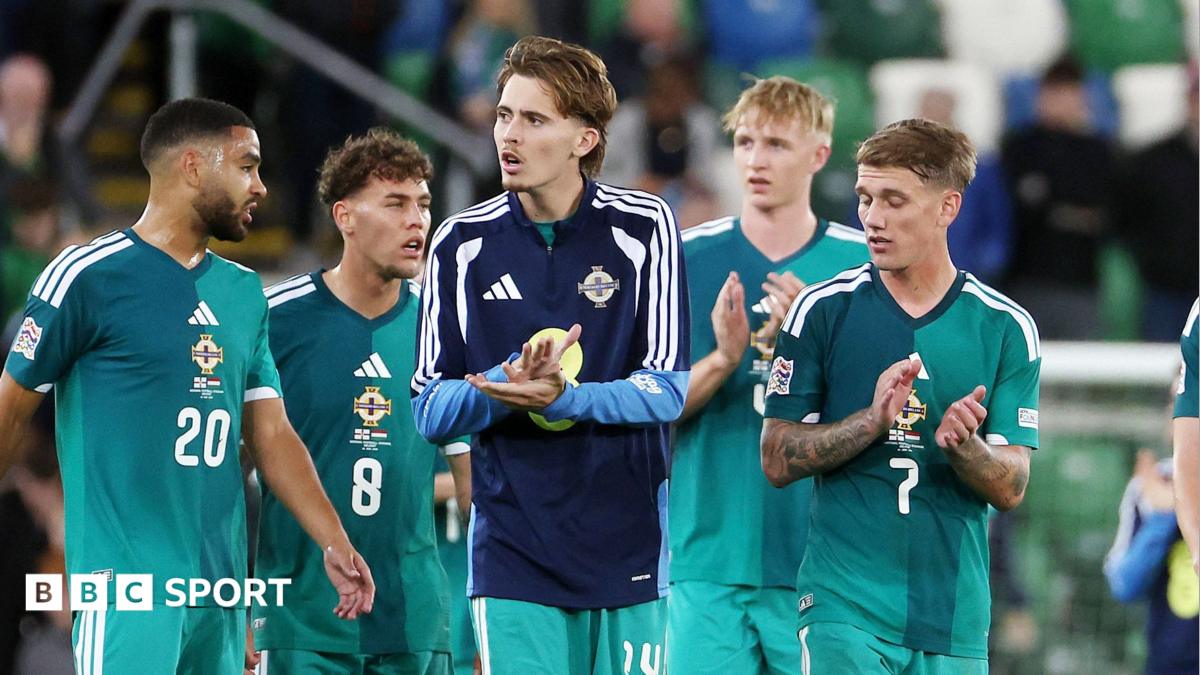
Northern Ireland returned to Windsor Park on September 29, 2026, after 315 days away from their home fortress, and while they did not produce the kind of last-gasp drama that had lit up their Friday night win over Georgia, they collected something arguably more valuable: a composed, disciplined goalless draw against Hungary that left them sitting joint-top of UEFA Nations League Group B2 with four points from two matches.
A Homecoming Built on Defensive Solidity
There is a particular kind of satisfaction in a clean sheet. Ask any defender. Ask any manager who has watched his side work without the ball for long stretches and still walk off the pitch without conceding. That was the story at Windsor Park on Tuesday, with Northern Ireland absorbing Hungary’s threat and refusing to crack.
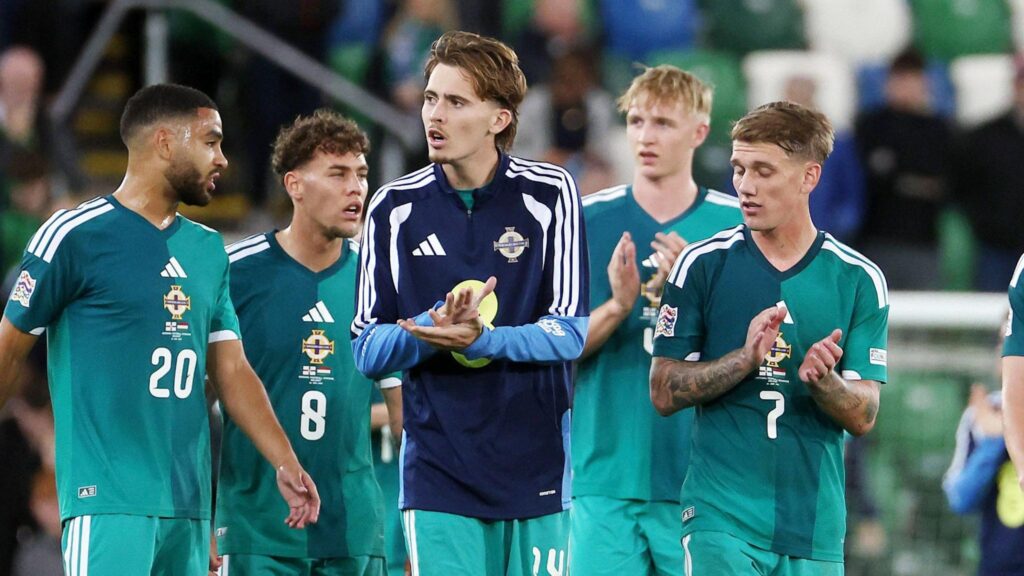
Manager Michael O’Neill was candid in his assessment after the final whistle. He acknowledged that Hungary, a side who had come into the fixture on the back of a 1-0 defeat to Ukraine, are a quality outfit and not the sort of opposition you brush aside with a wave of the hand. “We played a very good side, I thought we were more than a match for the opposition,” O’Neill said, while noting the team had been unable to manufacture the one clear-cut chance that might have turned a point into three.
That kind of honest, grounded reflection from a manager tends to signal something healthy about a squad’s mindset. O’Neill is not papering over cracks with hollow optimism. He is measuring his side against genuine opponents and finding them competitive, which after 315 days out of their own ground, is a reasonable place to start.
Joint-Top and Looking Ahead
The four-point haul places Northern Ireland level at the top of the group alongside Ukraine, who have also claimed four points from their opening two fixtures. The arithmetic is straightforward: two games played, two unbeaten results, and a platform from which to genuinely push for promotion or at least a strong finish in the second half of this four-game window.
O’Neill described himself as feeling “positive” at the halfway mark, and that word carries more weight than it might appear to on the surface. A manager who enters the back half of a Nations League campaign with his squad unbeaten and joint-top of the group is not merely being diplomatic. He has earned the right to that positivity.
What the Hungary Draw Actually Means
Goalless draws have a reputation for being forgettable. Scroll past the result, move on, check the Premier League table. But context matters enormously in international football. Hungary are not a side to be taken lightly. They had won their opening qualifier and arrived at Windsor Park with their own ambitions for the group. Northern Ireland held them at arm’s length throughout a contest where, as O’Neill noted, chances were scarce and defences dominated.
The fact that Northern Ireland kept a second consecutive clean sheet in this campaign says something about the structural organisation O’Neill has instilled. Goals win games, as the cliché goes, but clean sheets build momentum and confidence in a way that is sometimes underrated in the rush to judge a team purely on attacking output.
The Long Road Back to Windsor Park
315 days is a long time to be away from your home ground in international football. The reasons for that gap are not detailed here, but the significance of a return, particularly one framed by a strong weekend result against Georgia, is worth sitting with for a moment. Windsor Park is more than a venue for Northern Ireland football; it is an identity, a focal point, a place where the team’s best nights have been built on the energy of the crowd and the weight of history those walls carry.
Returning without a defeat, with points on the board and a share of top spot, gave that homecoming a quiet but meaningful quality. Not a thunderclap. More like a firm handshake and a knowing nod that says: we are still here, and we are not done yet.
O’Neill’s Measured Optimism: A Sign of Maturity
It would be easy to overclaim after two unbeaten results. Some managers do. O’Neill, however, is threading a careful needle, acknowledging what his side did well while being direct about the areas where they need to be sharper. The inability to create that decisive clear-cut opportunity against Hungary was not glossed over. It was named and placed on the table as something to address in the games to come.
That kind of coaching transparency tends to produce better long-term outcomes than false euphoria. Players who know their manager is honest with them tend to trust the process more, and trust the process more often than not translates into results when the pressure is really on.
Looking at the Rest of the Group Window
With two matches remaining in this four-game window, Northern Ireland have a real opportunity to define their Nations League campaign on their own terms. Joint-top alongside Ukraine, with a positive goal difference built on clean sheets, they enter the second half of the schedule with leverage. Whether they can convert that leverage into something tangible depends on what the remaining fixtures bring and whether the attack can find the cutting edge that has so far eluded them.
The bones of a well-organised, defensively sound international side are clearly in place. The question O’Neill and his squad will be working to answer over the coming weeks is whether they can add the final, decisive layer of quality in the final third that separates a good team from a great one.
So here is the thought to leave you with: Northern Ireland are unbeaten, joint-top, and quietly building something that deserves more attention than a goalless draw headline typically receives. Are they genuine contenders for group glory, or will the attacking limitations that surfaced against Hungary come back to cost them when the margins tighten further? Let us know your take in the comments below.