



A federal jury in the United States has ordered Apple to pay $5.7 billion in damages to audio technology firm Taction Technology, ruling that the Cupertino giant had used Taction’s patented haptic systems in its products without authorisation. The verdict, delivered in late September 2026, sends shockwaves through the tech industry and raises urgent questions about how the world’s most valuable company manages its intellectual property as it builds ever more sophisticated consumer hardware.
What the Case Was Actually About
Haptics, for the uninitiated, is the science of touch-based feedback. When your iPhone buzzes as a notification lands, or when your Apple Watch taps your wrist to signal a turn on a map, that sensation is haptics at work. Tiny internal motors respond to precise electronic signals, simulating the feeling of a physical interaction. It sounds simple. The engineering behind it is anything but.
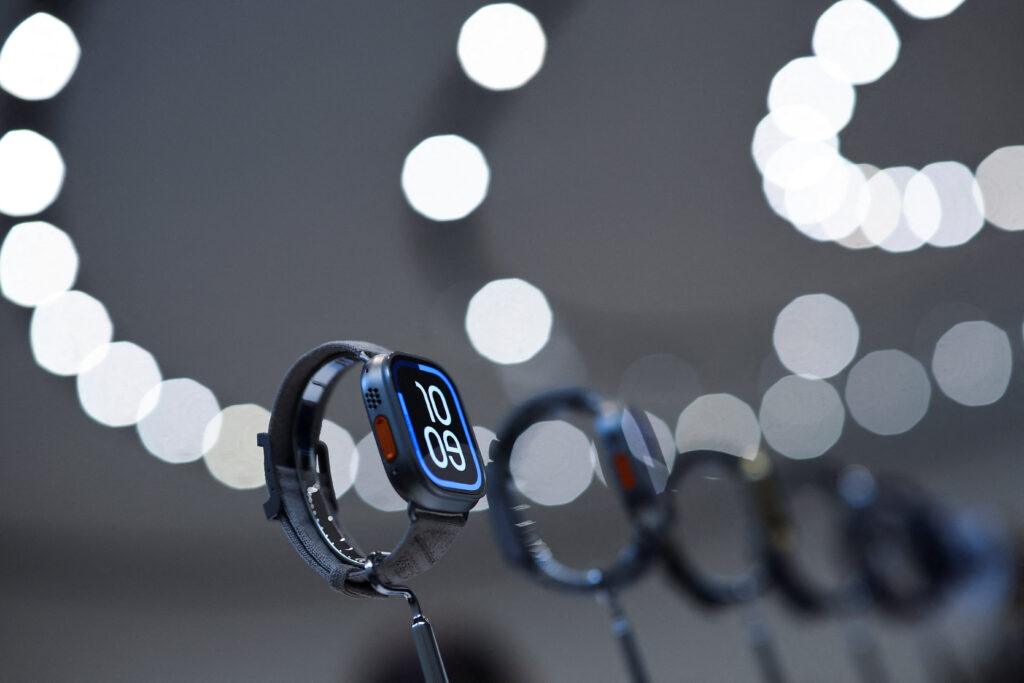
Taction Technology filed its lawsuit back in 2021, alleging that Apple had infringed two of its patents specifically covering haptic feedback systems. The firm argued that the technology built into devices like the iPhone and Apple Watch drew directly from innovations that Taction had developed and legally protected. After years of legal proceedings, a jury agreed, as reported by the BBC, landing Apple with a $5.7 billion bill.
Apple’s Taptic Engine: A Brief History
Apple’s haptic system, which the company brands as the Taptic Engine, is not a recent addition to its hardware lineup. It made its debut with the original Apple Watch in 2014, a moment that felt relatively understated at the time but proved to be the start of something significant. Over the following decade, Apple refined and expanded the system, weaving haptic feedback deeper into the iPhone experience, from the pressure-sensitive home button that replaced a physical click to the nuanced vibrations that respond to different types of notifications.
The Taptic Engine has become one of those features that users barely notice until they use a device without it. It is, in many ways, invisible engineering at its finest. Which is precisely why this lawsuit cuts so deep. Apple has long positioned the Taptic Engine as a product of its own internal innovation. The jury’s verdict suggests a different story, at least in part.
Apple Disagrees, Strongly
Apple was unambiguous in its response. The company stated that its Taptic Engine is fundamentally different from anything Taction developed, and it pointed out that Taction’s own testing of Apple’s products during the trial did not establish the direct technical overlap required to prove infringement. Apple described the damages awarded as entirely unsupported by the facts and confirmed it would appeal the verdict.
That appeal could drag proceedings out for years. Patent litigation at this scale rarely ends quickly, and Apple has the legal resources to mount a prolonged fight. Whether the $5.7 billion figure ultimately holds, shrinks, or disappears entirely will depend on how appellate courts weigh the technical evidence. But for now, the jury’s word stands.
Why This Verdict Matters Beyond Apple
The scale of this ruling is striking even by the standards of US patent litigation, which has produced some eye-watering damage awards over the years. A $5.7 billion judgment puts this case in rare company. It is the kind of number that tends to reshape how companies think about licensing negotiations, patent portfolios, and the risk of going to trial instead of settling.
For the broader technology industry, the verdict is a reminder that haptics, once a novelty feature, is now a serious battleground. Smartphones, smartwatches, and gaming controllers all rely on vibration feedback to make digital interactions feel physical. The companies that hold foundational patents in this space are sitting on genuinely valuable intellectual property. Taction Technology, a firm that most consumers had never heard of before this case, has now made that point in a very public way.
The Patent System Under the Microscope
Cases like this inevitably reignite the debate about whether the US patent system serves innovation or sometimes punishes it. Critics of aggressive patent enforcement argue that large verdicts against companies like Apple can act as a tax on product development, discouraging firms from building features that consumers have come to expect. Supporters counter that without robust patent protection, smaller companies like Taction would have no practical way to defend the ideas they spent years and considerable money developing.
Both arguments have merit, and neither fully resolves the tension at the heart of intellectual property law. The truth is that haptic technology represents the kind of incremental, deeply technical innovation that does not always make headlines but quietly shapes how billions of people interact with their devices every single day.
What Happens Next
Apple’s appeal means this case will continue to attract attention. If the company succeeds in overturning the verdict or significantly reducing the damages, it will be a major legal win for one of the most litigated companies in tech history. If the damages hold on appeal, Taction Technology stands to receive a payment that would transform it entirely, and Apple will have to absorb one of the largest patent losses in its corporate history.
For consumers, the immediate practical impact is likely to be minimal. Apple has given no indication that it plans to change how the Taptic Engine works in its current or upcoming devices. The legal fight happens in courtrooms, not in the iPhone’s engineering labs.
But the implications for how Apple and the wider industry negotiate around patented technology could be lasting. When a jury is willing to award $5.7 billion over vibration feedback, every general counsel in Silicon Valley takes notice.
So here is the question worth sitting with: in a world where the technology that makes your phone buzz is worth billions of dollars in court, are we finally taking the invisible engineering of everyday devices seriously enough?