




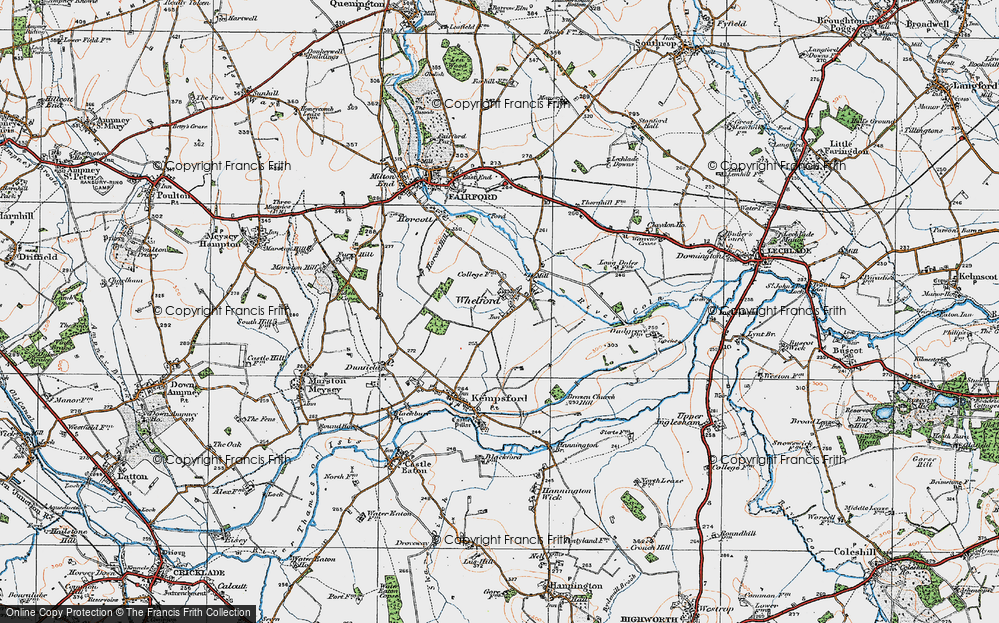
In the early hours of Sunday morning, September 27, 2026, a woman driving home from a party through the quiet Gloucestershire village of Whelford noticed something that did not belong in that landscape of dark lanes and sleeping farms. Three white vans, parked along a rural road. And surrounding them, a large group of men dressed in hoods and balaclavas. She did not overthink it. She picked up her phone and dialled 999.
Fifteen minutes later, police were on the scene. What followed those 15 minutes has since cascaded into one of the more extraordinary national security stories Britain has seen in recent years, with multiple terrorism arrests connected to nearby RAF Fairford, a strategically significant Royal Air Force base in Gloucestershire.
The Moment That Changed Everything
The woman, a local farmer who asked to remain anonymous, later told the Press Association that the significance of what she stumbled upon was not lost on her. “It would appear that by doing so I just derailed whatever they were planning,” she said. “A plucky amateur shouldn’t be spotting an unusual bit of activity at 1am when the airbase is on high alert. I think it’s absolutely astonishing.”
Her words carry a weight that goes well beyond modesty. RAF Fairford is not an ordinary military installation. It has historically served as a forward operating base for long-range missions and hosts visiting heavy bombers from allied nations, making it a site of considerable strategic sensitivity. That an apparent security operation of this scale was reportedly thwarted not by counter-terrorism units acting on intelligence, but by a farmer returning from a social gathering, is the kind of detail that tends to define a moment.
According to reporting from The Guardian, local residents say members of a community WhatsApp group had also noticed suspicious activity around the same vans overnight, suggesting the alert was building from multiple civilian sources before the 999 call crystallised into action. Villages near sensitive military sites often develop an informal neighbourhood watch culture, but this goes several levels beyond a noise complaint.
A Community on the Ground Floor of a National Security Event
Whelford is a small, close-knit settlement in the Thames Valley corridor of Gloucestershire, the sort of village where people know their neighbours’ cars and notice a stranger’s boot left open too long. That hyper-local awareness, the kind no security algorithm can replicate, appears to have been the critical factor here.
The WhatsApp group detail is particularly telling. Across rural Britain, community messaging groups have become informal intelligence networks, sharing everything from lost dog alerts to reports of fly-tipping. That the same infrastructure flagged suspicious van movements near a high-alert military base, and that a single resident then acted on her instincts at 1am, speaks to something genuinely civic about the chain of events.
It also raises serious questions about the formal security apparatus. If the airbase was already on high alert, as the farmer’s statement implies, why was a late-night civilian the first line of defence against what police are now categorising as terrorism activity? That is a question the Ministry of Defence and relevant security agencies will need to answer carefully, and publicly, in the days ahead.
What We Know About the Arrests
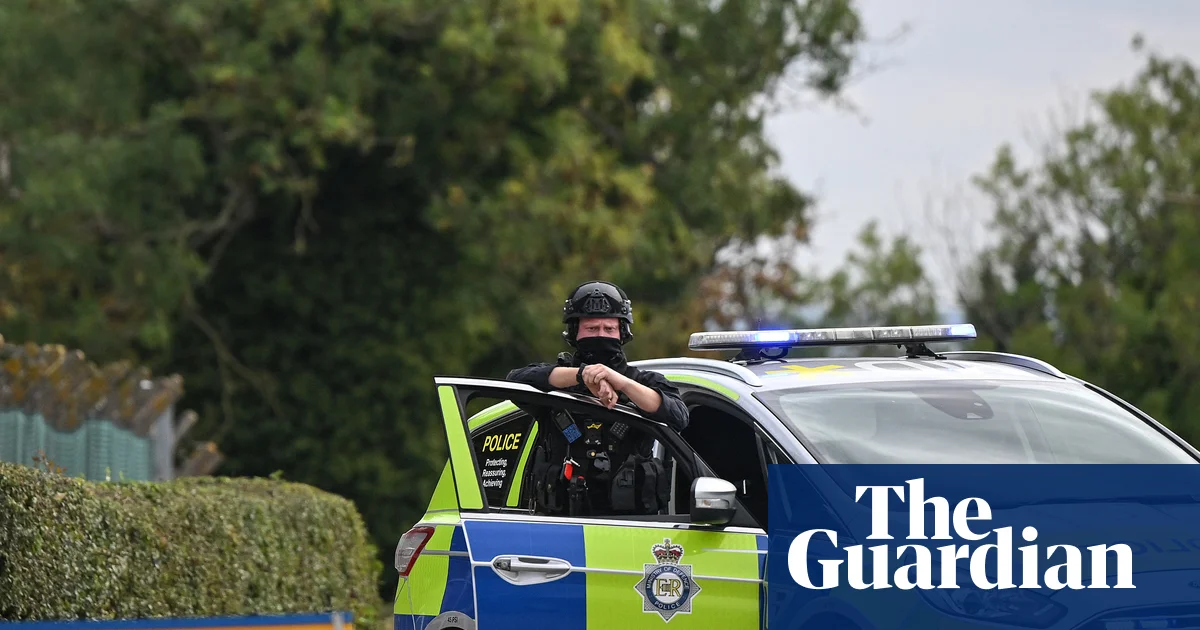
Police arrived at the scene within 15 minutes of the 999 call and moved to detain individuals connected to the vans. The arrests that followed are being treated under terrorism legislation, though the specific nature of any alleged plot, its targets, its organisers, and its wider network, remains under active investigation. British counter-terrorism protocol typically involves a period of detention for questioning before charges are formally laid, meaning the full picture will take time to emerge.
What is already clear is that the proximity to RAF Fairford is central to how police are framing this. Any action targeting or near a military installation of Fairford’s profile automatically elevates both the threat category and the public interest in how the response was handled.
The Role of Civilian Alertness in Modern Security
Security experts have long argued that public vigilance, the “see it, say it, sorted” principle championed by British Transport Police and others, forms a genuine layer of national defence. This case may become one of the most cited real-world examples of that argument. A single phone call, made at 1am by someone who trusted her instincts over the comfort of her bed, apparently interrupted a chain of events that professional intelligence networks had not yet intercepted, or at least had not yet acted upon.
That is not a criticism of those agencies, which operate under constraints the public rarely sees. But it is a reminder that the space between a suspicious observation and a dialled number can be where history pivots. Most people, fatigued after a party, driving down a dark country road, would have told themselves it was nothing and driven on.
What Happens Next
Gloucestershire Police and counter-terrorism units are expected to continue questioning those arrested. RAF Fairford’s operational status in the wake of the incident has not been publicly confirmed, though evacuations of the surrounding area were reported, suggesting authorities took the threat assessment seriously from the outset.
For the village of Whelford, the story is already the kind that gets told for generations. The woman who called it in described her actions as those of a “plucky amateur.” Perhaps. But plucky amateurs, it turns out, sometimes do the work that no one else was in position to do at exactly the right moment.
The broader conversation this opens is not comfortable for anyone who oversees national security: if a farming village’s WhatsApp group and one woman’s gut feeling were this close to being the last line of defence against a terrorism plot near a high-alert RAF base, what does that say about the gaps that exist between official threat intelligence and ground-level reality? The arrests are just the beginning of that reckoning.
What do you think this story reveals about the state of civilian and institutional security in Britain today? Leave your thoughts below.