

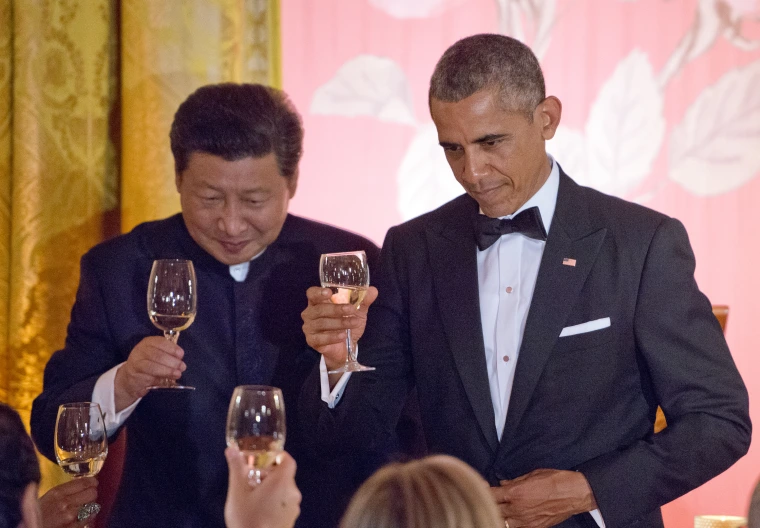
On the evening of Thursday, September 24, 2026, as Chinese President Xi Jinping arrived at the White House for a formal state dinner, journalists from CNN and MS Now stood outside, locked out of an event a federal judge had explicitly ordered the Trump administration to let them attend. The night did not belong to diplomacy alone. It belonged, in a very sharp and uncomfortable way, to the question of what press freedom actually means when a court ruling can be quietly set aside with a single hour’s notice and a carefully worded condition.
What the Judge Said, and What the White House Did
A federal judge had ruled clearly: the Trump administration’s ban on CNN and MS Now journalists covering White House events was unlawful and had to be reversed. It was the kind of ruling that, under normal circumstances, would settle the matter. Courts rule, administrations comply, reporters get their credentials back. That is how the system is supposed to work.
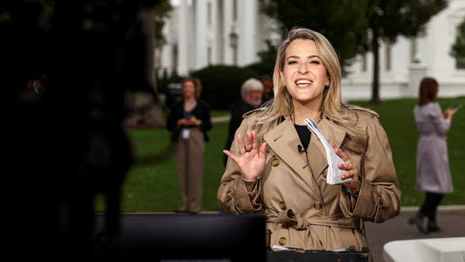
But roughly an hour before Xi’s scheduled arrival, the White House offered CNN a version of access that looked cooperative on paper and functioned as a block in practice. The network could send a photojournalist and an audio technician. What it could not send, according to reporting on the standoff, was its editorial team, specifically the reporter and producer who would actually frame, contextualize, and tell the story of the evening. Cameras without journalists is a careful kind of censorship. You get the images. You lose the narrative.
MS Now received no comparable offer. The network was simply excluded.
The Boycott That Spoke Louder Than Any Statement
Other news organizations, facing the choice of covering a prestige diplomatic event while their peers were barred at the gate, chose solidarity over access. Several networks boycotted the state dinner entirely in protest of how CNN and MS Now were treated. That is not a small thing in the competitive world of political journalism, where proximity to power is currency and state dinners with foreign heads of government are among the most sought-after assignments of any given year.
Walking away from that kind of access requires a genuine belief that the principle at stake is worth more than the footage. It also sends a message that press corps unity, when it actually materializes, carries real weight.
The Broader Pattern Behind One Dinner
The ban on CNN and MS Now had been imposed the previous week, part of what critics described as an escalating pattern of restricting press access to the White House under the current administration. The fact that a federal judge stepped in relatively quickly suggests the legal case for these exclusions was thin. The fact that the administration found a technical workaround on the night in question suggests the willingness to comply in spirit was thinner still.
Press access to the White House is not a courtesy extended to journalists who behave favorably. It is a structural element of democratic accountability, built on the understanding that the public has a right to know what their government is doing, especially when that government is hosting the leader of one of the world’s most significant geopolitical rivals. A state dinner with Xi Jinping is not a private gathering. It is a moment of foreign policy in action, and the American public’s ability to understand it depends directly on whether journalists can be in the room.
When Access Is Weaponized
What makes this episode particularly pointed is the timing of the partial offer to CNN. One hour before Xi’s arrival, the White House extended what it likely calculated would look like a reasonable compromise: yes, you can cover it, but only with technical staff, not editorial staff. That framing shifts the optics. It lets officials say access was granted while ensuring the kind of journalism that might ask hard questions about the evening never actually gets produced.
It is a strategy that understands how newsrooms work. A camera operator captures what is in front of the lens. A reporter and producer decide what questions to ask, what angles to pursue, and what the images mean within a larger political context. Strip out the latter and you have documentation without journalism.
What This Means for the Press Corps Going Forward
The night of the Xi state dinner will likely be cited for years in debates about White House media policy, court authority, and the practical limits of press freedom protections. Federal rulings that can be sidestepped through technical compliance create a troubling precedent, one where the letter of a court order is honored just enough to avoid contempt while its intent is ignored entirely.
For journalists who cover the White House, the lesson is uncomfortable: having the law on your side does not guarantee you a seat at the table, or even a spot by the door. For news organizations weighing how aggressively to push back against access restrictions, this episode suggests that solidarity and public pressure may ultimately matter as much as litigation.
And for the public watching all of this unfold, the real question is not about cable news networks or court orders. It is about what kind of information environment we are willing to accept. If the administration can lock out specific outlets from a state dinner with the leader of China, on the night a federal judge says it cannot, what does that tell us about the next four years of coverage, and the four after that?
So here is the question worth sitting with: if a court order cannot guarantee journalists access to a state dinner, what mechanism actually can, and who is responsible for building it?