



Microsoft’s gaming arm is reshaping itself at a pace that would make even the most battle-hardened industry veteran blink twice. Xbox has confirmed another round of layoffs, cutting 268 more positions, while announcing that the storied Halo franchise will move out of its current development home and into the hands of Activision, the publisher behind the Call of Duty empire. At the same time, Cambridge-based studio Ninja Theory, celebrated for crafting the award-winning Hellblade games, is staring down a proposed closure after two separate buyout deals collapsed. As reported by the BBC, this wave of cuts forms part of what Xbox itself has called the most significant restructure in its history.
Halo Finds a New Home, But at What Cost?
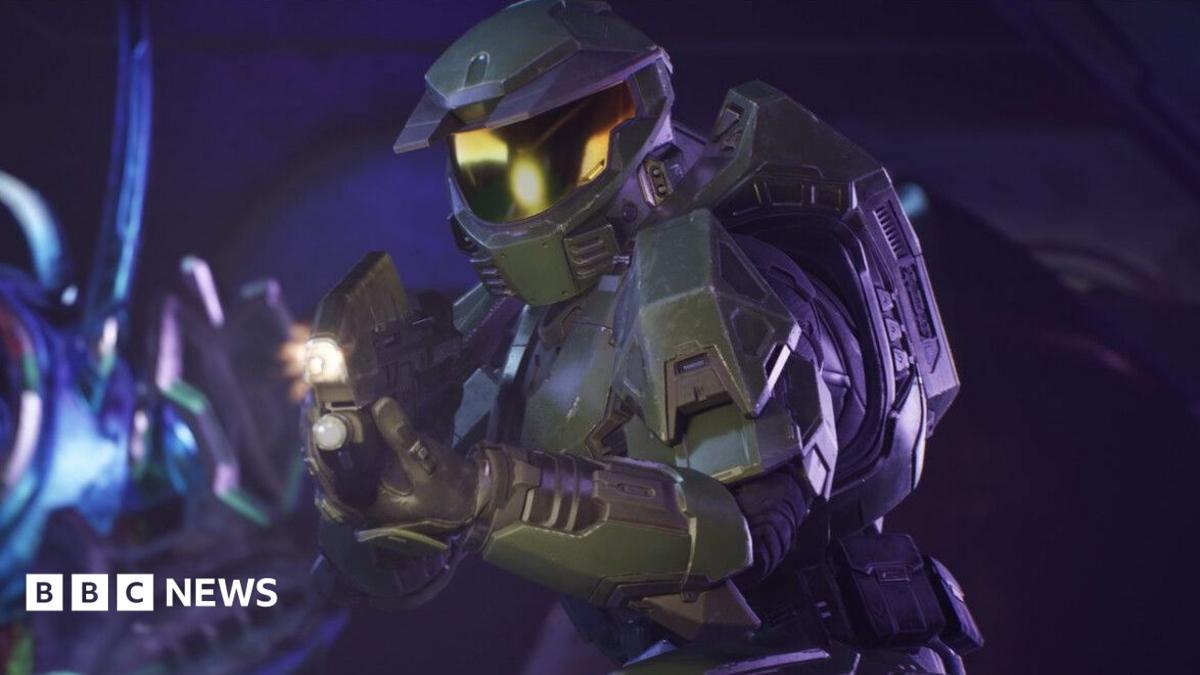
Halo is not just a video game franchise. For an entire generation of gamers, it is the reason they bought an Xbox in the first place. The series defined what Microsoft’s console could be, back when the original machine launched alongside a combat-scarred alien world and a soldier named Master Chief. Handing development of any future Halo titles to Activision is, to borrow the words of Windows Central’s Jez Corden, a “dramatic move” by any measure.
Gaming analyst Christopher Dring has raised the obvious question that follows from this shift: can Activision, a studio deeply embedded in the mechanics and rhythms of Call of Duty, breathe new life into what was once Xbox’s “crown jewel”? The two franchises share a genre but not much else in terms of tone, pacing, or narrative ambition. Whether Activision’s production muscle can translate into creative authenticity for a series with such a distinct personality remains genuinely uncertain.
What is clear is that the studio currently responsible for Halo is bearing a heavy portion of these latest job cuts. The people who have kept that universe alive are now facing redundancy, and that human cost sits beneath every corporate announcement.
Ninja Theory’s Fight for Survival
The situation surrounding Ninja Theory carries a particular sting. Xbox chief executive Asha Sharma announced back in July that the studio would be spun off alongside four others as part of the broader downsizing. The assumption, or at least the hope, was that an independent buyer would step in and keep the studio running under new ownership.
That hope has now largely unravelled. Matt Booty, chief content officer at Xbox, confirmed in a blog post that two separate agreements to sell Ninja Theory had fallen through. The studio, which holds a BAFTA for its work on the Hellblade series, will now enter a formal consultation process with its employees regarding a proposed closure. Buyout conversations are reportedly still happening in the background, but the runway is short and the mood is grim.
Ninja Theory built its reputation on something relatively rare in big-budget gaming: psychological depth. The Hellblade games tackled mental illness, grief, and perception with a seriousness that the medium rarely attempts. Losing that studio would not simply mean fewer games. It would mean losing a particular kind of creative voice.
The Broader Restructure: Where Things Stand
These latest developments do not exist in isolation. In July, Sharma disclosed that Xbox was undertaking a company-wide reset of extraordinary scale, with 1,600 jobs eliminated immediately as part of a plan to cut 3,600 positions in total. The 268 jobs announced now add to that rolling tally and signal that the restructure is very much ongoing rather than winding down.
Of the five studios originally flagged for spin-offs, three have returned to management control. Consultation for Arcane, another affected studio, remains in progress. The picture is fragmented, with each studio in a slightly different position depending on how negotiations and internal reviews have played out.
What This Means for Xbox’s Identity
There is a philosophical question sitting underneath all of this that goes beyond balance sheets and headcounts. Xbox built its brand on first-party exclusives, on the idea that certain experiences could only live on its platform. Halo was the clearest expression of that promise. Moving its future development to Activision, a company that now sits within the Microsoft family following a major acquisition, keeps things technically in-house, but it fundamentally changes the creative lineage of the series.
Studios like Ninja Theory represented something different, a bet that prestige, artistic gaming could coexist alongside blockbuster franchises. If that bet is now being unwound, it says something significant about which direction Microsoft believes the market is heading.
For players who have followed these studios closely, and for the hundreds of developers whose livelihoods are caught up in these decisions, the corporate language of “resets” and “restructures” lands very differently than it does in a boardroom. Behind every job cut is a person who spent years building something they cared about.
The gaming industry has seen cycles of consolidation before, but the speed and scale of what Xbox is doing right now is striking even by those standards. Whether the leaner, Activision-powered version of this company can deliver on the promises its predecessors made is a question that will take years to answer properly. For now, the industry is watching, and the fans are holding their breath.
So here is the question worth sitting with: if the franchises that made Xbox matter are being handed to different teams or shut down entirely, what exactly is Xbox’s creative identity from here?