








Uganda’s government has launched a systematic, nationwide programme to determine whether the country’s buildings can actually survive an earthquake, starting with the sprawling Greater Kampala Metropolitan Area before rolling the effort out to other parts of the country identified as high-risk zones. The move signals a serious shift in how authorities are approaching urban safety, and not a moment too soon.
Why This Matters More Than Most People Realise
East Africa sits on one of the most geologically active regions on the planet. The Albertine Rift, which cuts through western Uganda, is a living, breathing seismic corridor. Tremors are not a distant hypothetical here. They happen. Small ones rattle windows and nerves with quiet regularity, and scientists have long warned that the region is capable of producing far more destructive events. The question was never really if a significant earthquake would strike, but whether Uganda’s built environment would hold when it does.
For decades, construction across much of Kampala and its surrounding areas has expanded at a pace that urban planning frameworks struggled to match. Informal settlements, rapidly erected commercial blocks, and ageing residential structures have spread across the city’s hills with little consistent enforcement of earthquake-resistant building standards. This new inspection drive confronts that uncomfortable reality head-on.
What the Uganda Rapid Visual Screening Programme Actually Does
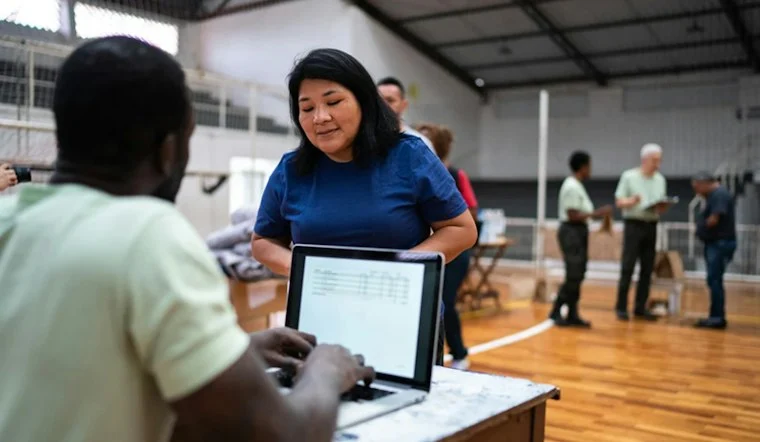
The inspection exercise operates under what officials are calling the Uganda Rapid Visual Screening Programme for Earthquake Resilience. Trained screeners will physically visit buildings, conduct visual assessments, and gather detailed data on structural characteristics. The methodology is not a superficial walk-through. It is a structured process designed to flag buildings that need deeper engineering analysis or, in more urgent cases, immediate intervention.
Rapid visual screening, as a technique, is widely used internationally after seismic events or as a preventive measure in earthquake-prone cities. The approach allows assessors to cover large numbers of structures relatively quickly, sorting them into categories that range from low-risk to those requiring professional structural engineering review. It is efficient, scalable, and critically important when a city the size of Kampala needs to be evaluated systematically.
Greater Kampala as the Starting Point
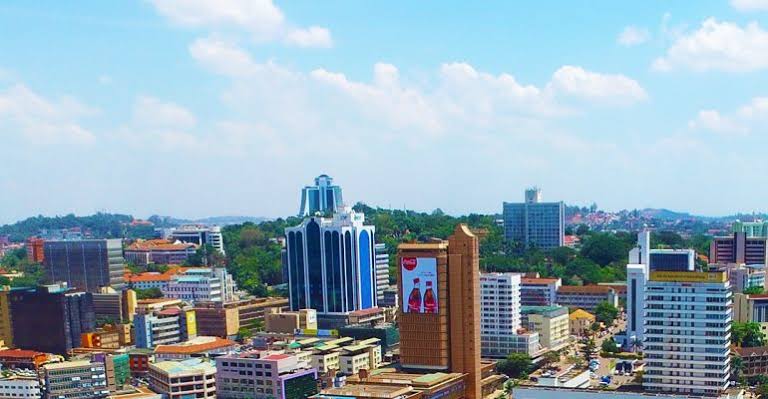
Choosing Greater Kampala as the launch site makes strategic sense. It is Uganda’s largest and most densely populated urban area, home to a complex mix of building types, ages, and construction quality. A significant seismic event in the capital would have catastrophic human and economic consequences. Getting a clear picture of the structural vulnerabilities there first gives planners and emergency responders a sharper understanding of where the biggest risks are concentrated.
Once the Kampala phase generates usable data, the programme will extend to other parts of the country where seismic risk is elevated. Uganda’s western region, particularly areas close to the rift valley faults, will likely feature prominently in subsequent phases given the geological realities of that landscape.
The Bigger Picture: Building Codes, Enforcement, and Accountability
Running an inspection programme is an admirable first step, but the real test lies in what happens with the data collected. Identifying a structurally vulnerable building is only useful if there is a clear, enforced pathway to either remediation or, where necessary, demolition and rebuilding. That requires institutional muscle, political will, and financial mechanisms to support building owners who may lack the resources to bring their properties up to standard.
There is also the thorny issue of informal structures. A significant proportion of Kampala’s residential buildings exist outside the formal permitting system. Screeners will need a strategy for engaging with those communities in a way that does not trigger panic or illegal demolitions, but still results in meaningful safety improvements.
Countries like Turkey, which absorbed catastrophic lessons from the 1999 Izmit earthquake, have shown that post-inspection enforcement is the hardest part of any seismic safety drive. Turkey’s experience revealed thousands of buildings that failed basic standards, many of which had passed official inspections due to corruption or negligence. Uganda can learn from that history and build an inspection system with genuine transparency and public accountability baked in from the start.
What Building Owners and Residents Should Expect
For ordinary Ugandans living and working in buildings across Kampala and beyond, the arrival of screeners should not be a source of alarm. The programme is diagnostic, not punitive, at least in its initial phase. Residents who receive visits should cooperate fully, provide any available documentation about their building’s construction history, and ask questions about the findings. Knowledge, even uncomfortable knowledge, is the first layer of protection.
Property developers, landlords, and investors would be wise to view this exercise as a long-term asset. Buildings certified as structurally sound for seismic conditions will carry a market advantage as awareness of earthquake risk grows. Conversely, structures flagged as problematic will face increasing scrutiny from insurers, tenants, and regulators. Getting ahead of that curve is simply good business sense.
A Country Preparing, Not Waiting
There is something quietly significant about a government choosing to inspect its buildings before a disaster forces the issue. Too often, seismic safety programmes around the world are launched in the smoking aftermath of collapsed structures and mass casualties. Uganda is choosing a different timeline, one that prioritises prevention over post-crisis reaction.
The success of this programme will depend on the quality of the screeners, the rigour of the data collection, the transparency of the results, and critically, the policy responses that follow. None of that is guaranteed. But the decision to start, to actually send trained people into the field and gather real information about real buildings, is the kind of unglamorous, necessary work that saves lives in ways that rarely make headlines until the moment they prevent a tragedy.
The ground beneath Uganda’s cities is not waiting for anyone to be ready. The question worth asking now is: when the findings start coming in, will decision-makers at every level have the resolve to act on what they find?