






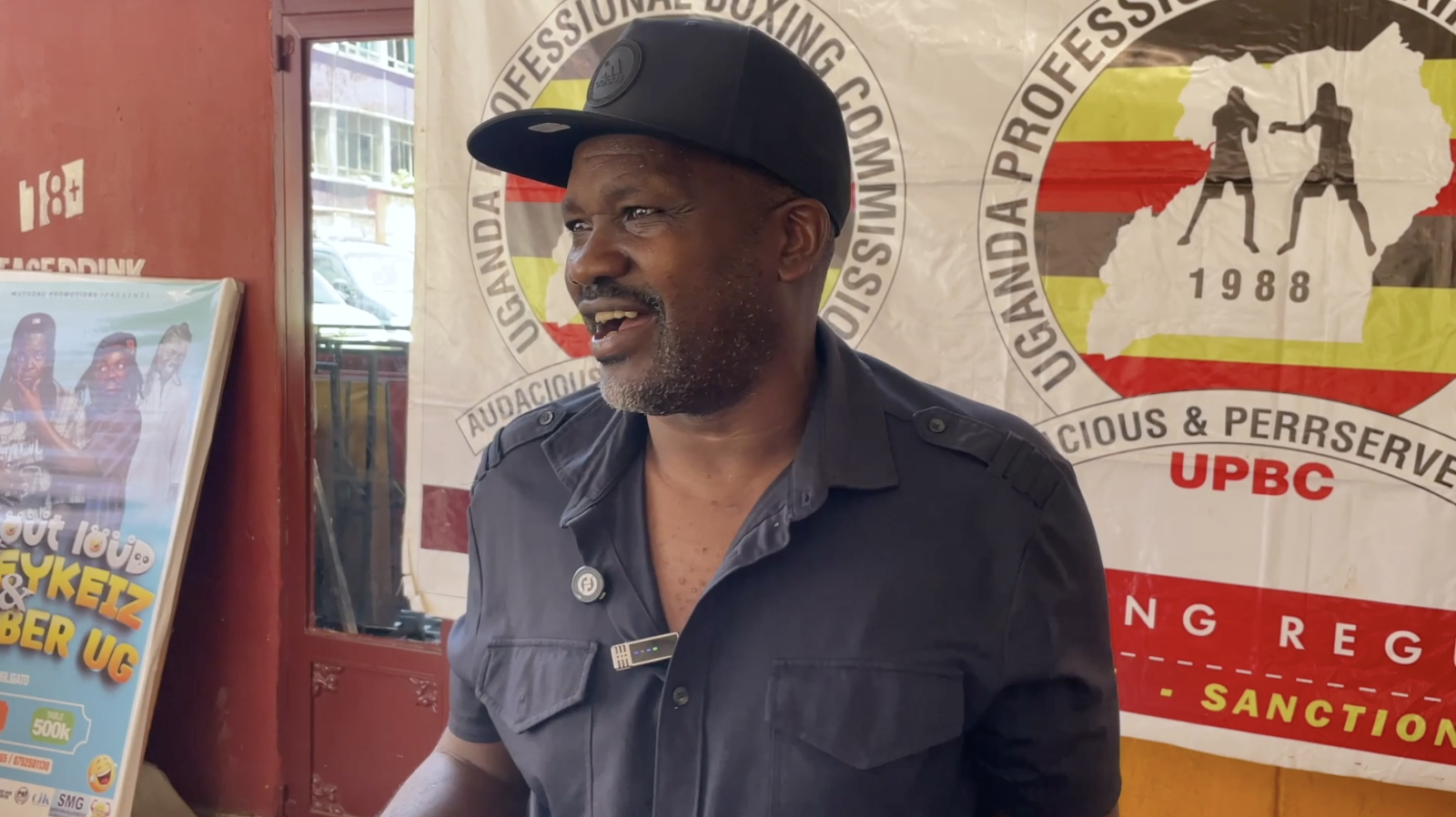
Uganda returned from the 2026 Commonwealth Games in Glasgow, Scotland, without a single boxing medal to show for it. No gold, no silver, no bronze. Just silence where a victory celebration should have been. And for veteran boxer Justine Jjuuko, that silence is deafening enough to demand answers.
Jjuuko, whose career stands as one of the more respected chapters in Ugandan boxing history, has gone on record calling for a structural overhaul of the Uganda Boxing Federation, arguing that nothing will change on the international stage until the house is put in order from the inside. His message is pointed, personal, and, judging by Uganda’s recent results, hard to argue against.
A Nation That Used to Fight Its Way to the Top
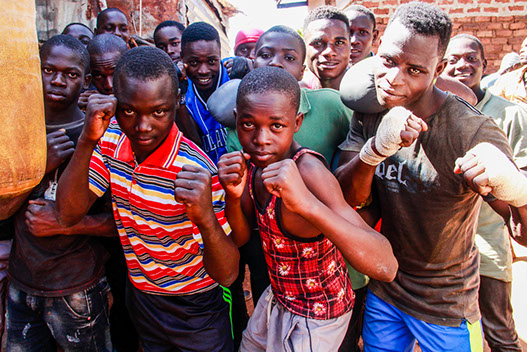
There was a time when Ugandan boxing punched far above its weight on the world stage. The country produced fighters who competed at the highest levels of amateur and professional boxing, carrying the Ugandan flag into arenas that most East African nations only dreamed of reaching. That legacy is real, it is documented, and it makes the current drought all the more painful to witness.
The Commonwealth Games have long been a key proving ground for African boxing talent. With competition that sits just below the Olympic level in terms of prestige, a strong Commonwealth showing typically signals a country’s readiness to compete globally. Uganda’s failure to win a single boxing medal in Glasgow is not just a bad result. It is a flare going up over a programme in distress.
What Jjuuko Is Actually Saying
When a veteran athlete steps forward to criticise the governing body of their sport, it rarely comes from a casual place. These are people who have trained under the federation’s structures, competed under its banner, and watched the sport evolve, or fail to evolve, over years. Jjuuko’s call for reform at the Uganda Boxing Federation is rooted in that kind of lived understanding.
The core of his argument is straightforward: Uganda cannot expect different results at international competitions while the administrative machinery running boxing in the country remains unchanged. Federations shape everything from how talent is identified and developed, to how athletes are prepared for major tournaments, to how resources are allocated across the sport. When those systems crack, the cracks show up in the results column.
The Administration Problem in African Sports
Uganda’s situation is not unique across the continent. Sports federations in many African nations struggle with a familiar set of challenges: limited funding, governance disputes, inconsistent athlete development pipelines, and a disconnect between the people running the sport administratively and those actually practising it at the elite level. The result is often a generation of talented athletes who never quite get the professional support structure they need to compete with the best in the world.
Boxing is particularly vulnerable to these gaps. Unlike team sports where collective momentum can carry individuals through rough patches, boxing demands an extraordinarily precise support system. Coaches, nutritionists, sparring partners, conditioning specialists, and smart opponent selection all play into whether a fighter peaks at the right moment or arrives at a major tournament under-prepared and over-matched.
Glasgow Was a Mirror, Not an Anomaly
It would be tempting to write off the Commonwealth Games result as a one-off, a bad draw, a few unlucky bouts. But the pattern of underperformance at major international competitions suggests this goes deeper than a few individual losses. When a country’s boxing programme fails to produce any medals at a multi-sport games of this scale, it reflects systemic gaps rather than individual shortcomings.
The fighters who represented Uganda in Glasgow did not fail because Ugandan boxing talent has dried up. Talent, by most accounts, is not the country’s problem. The question Jjuuko and others are raising is whether that talent is being given everything it needs to translate raw ability into competitive results against the world’s best amateurs.
What Meaningful Reform Would Look Like
Federation reform is a phrase that gets thrown around a lot in African sport, often with little follow-through. But genuine structural change in a boxing federation typically involves several concrete shifts. Transparent selection processes that keep politics out of who gets chosen for national squads. Long-term athlete development programmes that build fighters over years rather than rushing them into international competition. Coaching standards that match the technical evolution of the sport globally. And accountability mechanisms that tie federation leadership to measurable performance outcomes.
None of that is radical. All of it is achievable. The question is whether the people in positions of influence at the Uganda Boxing Federation are willing to look honestly at the Glasgow result and treat it as the serious wake-up call it represents.
The Wider Stakes for Ugandan Sport
Boxing has always carried a particular weight in Uganda’s sporting identity. It is one of the disciplines where the country has historically competed as an equal with larger, better-resourced nations. Allowing that tradition to erode through administrative neglect would be a loss that extends well beyond the sport itself. It would signal to young Ugandan fighters that the system is not built to support them, and over time, that signal drives talent away.
Jjuuko’s voice matters precisely because it comes from inside the sport. This is not an outside critic lobbing observations from a safe distance. This is someone who knows what it takes to compete at the top level and who sees the gap between what Uganda’s boxers are capable of and what the current structures are delivering for them.
The Commonwealth Games in Glasgow are done. The medal table is set. But the conversation Justine Jjuuko has started does not have to end with the closing ceremony. If the Uganda Boxing Federation is serious about restoring the country’s standing in international competition, the time to act on that conversation is now, not at the next major tournament when the gaps show up again.
So here is the question worth sitting with: if Uganda’s boxing administrators have seen the same results everyone else has, what exactly are they waiting for before they act?