Weeks before one of Australia’s most anticipated museum openings, Powerhouse Parramatta finds itself at the centre of a misconduct investigation involving senior executives, throwing a shadow over a project that has spent years positioning itself as a world-class cultural destination for western Sydney.
What We Know So Far
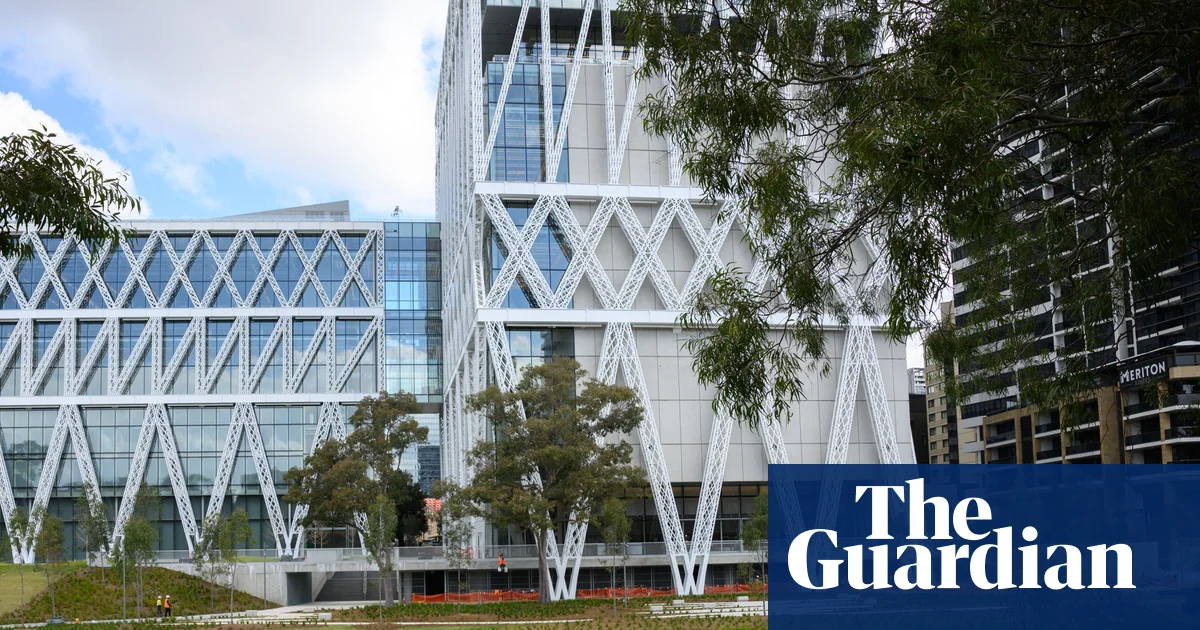
The $915 million institution, which has been described as the ‘Opera House of the west,’ was already carrying enormous expectations before this latest development. Now, according to reporting from The Guardian, an official investigation is under way into allegations of misconduct directed at people in senior leadership roles at the museum. A stop-gap leader has stepped in to steady the ship while that process plays out.
The NSW arts minister has moved quickly to reassure the public that the museum’s scheduled November 7 opening date is not at risk. That date has been circled on calendars across the arts sector for months, representing the culmination of a project that has been debated, delayed, and discussed for the better part of a decade.
Why This Museum Matters So Much
To understand the weight of this moment, you need to understand just how much Parramatta has riding on this building. Western Sydney has long been the most populated and one of the most culturally diverse regions in Australia, yet historically it has been treated as a satellite zone for major institutions headquartered in the CBD. Powerhouse Parramatta was meant to change that calculus permanently.
The project bills itself as one of the most significant new museum developments anywhere in the world right now. That is not an empty boast. The site’s scale, its investment figure, and its ambition to serve a community of millions who have never had a flagship arts institution on their doorstep all contribute to a genuinely rare proposition. A building of this magnitude opening in a non-central location sends a message about where a city’s cultural gravity is shifting.
The original Powerhouse Museum in Ultimo, with its beloved collection of science, design, and technology artefacts, carried deep sentimental weight for generations of Sydney residents. The Parramatta project was conceived as something distinct rather than a replacement, though that framing did not stop years of heated argument about the future of the Ultimo site. By the time groundwork was laid in Parramatta, the institution had already survived more political turbulence than most museums ever face.
The Timing Could Hardly Be Worse
For any institution, a misconduct investigation involving executives is serious. For one that is two months away from opening its doors to the public for the first time, the timing adds a particular sting. The lead-up to a major opening is typically the period when a museum’s leadership is managing hundreds of moving parts: final installations, programming announcements, press previews, community engagement events, and the logistical coordination that transforms a construction project into a living cultural space.
A stop-gap leader stepping into that environment is being asked to do an extraordinarily complex job under scrutiny, with an investigation running in parallel. The people carrying out that work deserve credit for continuing to push forward under difficult circumstances.
The NSW government’s insistence that November 7 remains the opening date will be tested in the weeks ahead. Governments do not typically walk back major public infrastructure milestones lightly, particularly ones as politically visible as this. But investigations have a way of expanding in scope and producing surprises that no communications strategy fully anticipates.
What Comes Next
The investigation’s outcome could reshape the leadership structure of one of Australia’s most high-profile cultural institutions at exactly the moment that leadership is needed most. Whoever ultimately steers Powerhouse Parramatta into its opening chapter will inherit both an extraordinary opportunity and the complicated legacy of how those final weeks played out.
For the community in western Sydney, the hope is straightforward: get the doors open, get the collection in front of the public, and let the museum make its own case. The arguments, the politics, and the executive dramas can recede once people are actually walking through the galleries.
Whether that clean break is possible, given the investigation now running alongside final preparations, remains to be seen. What is clear is that Australia’s arts sector is watching closely, and the scrutiny on this institution is more intense now than anyone involved would have chosen.
Do you think a misconduct investigation at this stage can truly be kept separate from the museum’s opening success, or does institutional trust take years to rebuild once it starts to crack? Share your thoughts below.