










A ferocious flash flood tore through the heart of Grand Canyon National Park in Arizona on Saturday afternoon, leaving at least 15 people missing or unaccounted for and forcing emergency crews into one of the most remote and logistically demanding rescue environments in the American Southwest. The National Park Service confirmed the incident, and by Sunday morning, more than 60 people had been pulled to safety from the affected zone.
Where the Flood Hit and Why It Matters
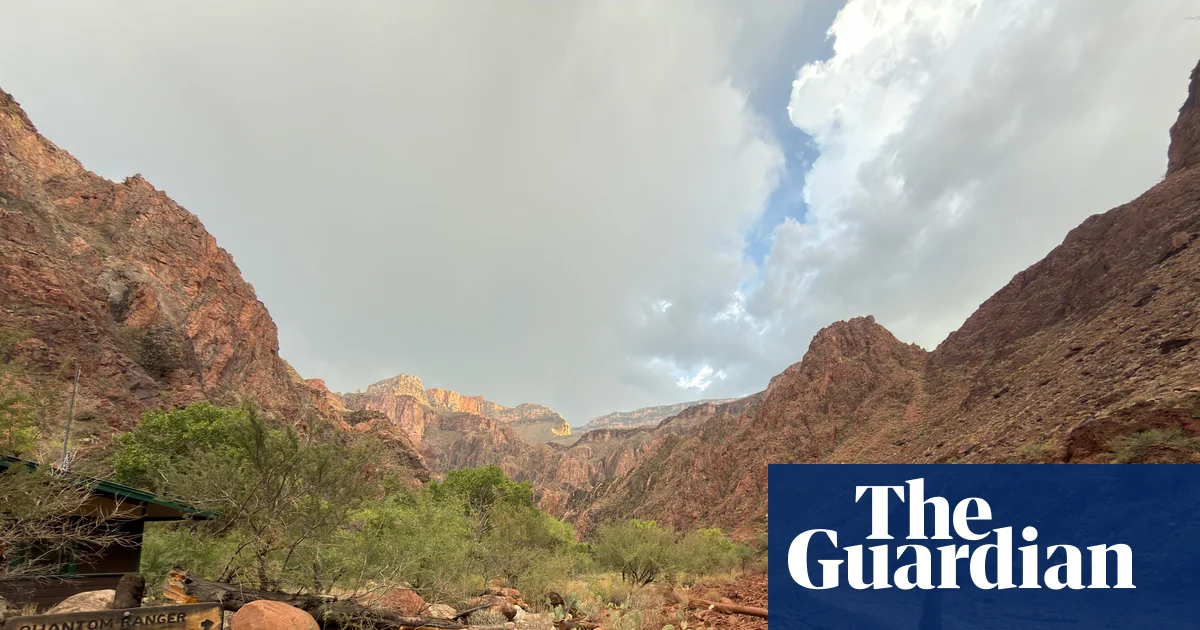
The flood struck in the corridor around Bright Angel Canyon and Phantom Ranch, two of the most frequented inner-canyon destinations in the entire national park system. Phantom Ranch sits at the bottom of the Grand Canyon, roughly a mile below the South Rim, accessible only by foot, mule, or river. There are no roads in. No quick exits. When water moves through that canyon, it moves fast and it moves mean, channeled by sheer rock walls that offer nowhere to run.
This is precisely what makes flash floods in the Grand Canyon so dangerous and so difficult to respond to. The terrain that makes the place one of the most spectacular natural wonders on earth is the same terrain that turns a rain event into a life-threatening emergency within minutes. Water that falls miles away can surge through narrow canyon passages before anyone on the ground even sees a cloud overhead.
The Rescue Operation
Park staff and the Arizona Department of Public Safety worked in coordination to evacuate more than 60 people from the affected area, according to reports confirmed by Sunday morning. The scale of that evacuation, given the remoteness of Phantom Ranch and Bright Angel Canyon, is no small feat. Reaching those areas requires navigating narrow trails, steep elevation changes, and terrain that is punishing even under ideal conditions.
The 15 individuals still listed as missing or unaccounted for as of Sunday morning represent a serious concern. In a landscape as complex and vast as the Grand Canyon’s inner canyon, “unaccounted for” can mean many things: hikers sheltering on high ground, individuals who self-evacuated and have not yet checked in with authorities, or people swept by floodwaters into areas that crews have not yet been able to reach.
What Search Teams Are Up Against
Canyon rescue operations are among the most technically demanding in the country. Helicopter access is limited by wind, weather, and the sheer geometry of vertical canyon walls. Ground teams move slowly through boulder-strewn washes and narrow side canyons. Communication is patchy. The window of daylight matters enormously, and late August in Arizona brings its own heat burden on top of everything else.
The National Park Service has deep experience with Grand Canyon emergencies, and its search and rescue teams are among the most skilled in the National Park System. But skill and experience do not eliminate the risk. The inner canyon is an unforgiving place, and flash floods rank among the leading causes of death in the Grand Canyon each year.
Flash Floods and the Grand Canyon: A Familiar Danger
Late summer is monsoon season in the American Southwest. Every year, warm, moisture-laden air pushes up from the Gulf of Mexico and the Gulf of California, colliding with the heat radiating off the desert floor to generate violent afternoon thunderstorms. The Grand Canyon sits squarely in this pattern. Storms can be highly localized, meaning skies above the rim look clear while a deluge is hammering a drainage basin miles to the north or east, sending a wall of water, mud, and debris down through side canyons with little to no warning.
Park officials and experienced canyon guides routinely warn visitors about this specific risk, especially on trails like Bright Angel, which follows a natural drainage corridor that can transform into a raging torrent within minutes of a distant storm. The timing of this particular flood, on a busy late-August Saturday, likely meant a significant number of hikers and visitors were in the canyon when conditions turned.
The Phantom Ranch Factor
Phantom Ranch adds another layer of complexity. The historic ranch at the canyon bottom is a popular overnight destination, often booked out months in advance. Visitors who stay there are committed to being in the inner canyon, meaning they cannot simply decide to leave when weather looks threatening. The combination of a captive population, extreme terrain, and fast-moving water creates a scenario that demands both a swift and careful response.
What Comes Next
As of Sunday morning, the focus remained firmly on accounting for the 15 missing individuals. Search operations were ongoing, and the coordination between the National Park Service and the Arizona Department of Public Safety was continuing. The full scope of injuries, if any, had not yet been publicly confirmed.
For the broader public, this event is a stark reminder of the power that weather holds over even the most familiar and beloved landscapes. The Grand Canyon draws millions of visitors every year, many of whom hike into the canyon without a full appreciation of how rapidly conditions can shift. Trail closures, weather advisories, and ranger guidance exist for reasons that events like this make painfully clear.
Grand Canyon National Park remains one of the most visited destinations in the United States, and its inner canyon trails draw experienced hikers and first-timers alike. The gap between those two groups, when it comes to flash flood awareness, can be measured in seconds when water starts rising.
As rescue teams press on and families wait for news, the question worth sitting with is this: with flash flood risks in the Southwest growing more intense each monsoon season, are we doing enough to ensure that visitors understand the real dangers waiting at the bottom of one of the world’s most magnificent places before they take that first step down the trail?