




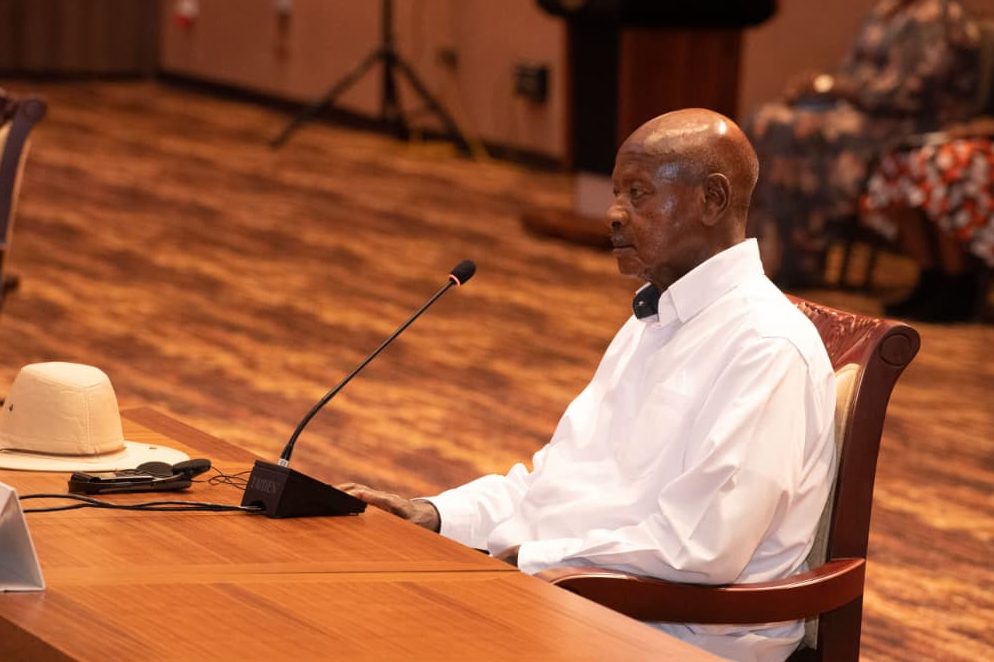






A Ugandan minister is pushing hard for the government to start compensating community volunteers who dedicate their time to maintaining and restoring public land. Alice Kaboyo, who serves as a minister attached to the Luweero sub-region, made her position clear during a visit to Luweero district on Saturday, August 29, 2026, where she sat down with local district leaders and residents involved in public land work.
The Case for Paying Volunteers
Kaboyo’s argument is straightforward. People who give their time and effort to clean up and improve public land should not walk away empty-handed. According to NTV Uganda’s reporting, Kaboyo wants government to begin issuing stipends or allowances to these volunteers, with the money sourced from fines collected by authorities. Her thinking: cash penalties levied on those who violate land use rules should cycle back into supporting the very people who uphold those standards on the ground.
It is a logical chain. Fines generate revenue. That revenue, instead of disappearing into a general government pot, would be ring-fenced for volunteer payments. The result would be a self-sustaining incentive structure that rewards good environmental citizenship and, in theory, discourages violations in the first place.
What She Found on the Ground in Luweero
Her trip to Luweero was not ceremonial. Kaboyo engaged directly with district leadership and community members who are already doing the work of maintaining public spaces, many of them without any formal recognition or payment. These are residents who show up, clear land, and uphold land-use standards out of a sense of civic responsibility. The minister’s presence signals that this community effort is finally on the government’s radar.
Luweero district, located in the central region of Uganda, has long been associated with significant historical and political weight. Today, it is also a place where grassroots-level environmental stewardship is quietly happening, largely unnoticed by the national conversation around conservation. Kaboyo’s visit shifts that narrative, putting Luweero’s volunteer workers into a national policy discussion.
Why This Matters Beyond Luweero
If adopted more broadly, Kaboyo’s proposal could set a precedent for how Uganda handles community-based environmental work. Across the country, countless individuals participate in land restoration, community clean-ups, and public space maintenance without any formal support structure. They operate on goodwill and local obligation, which works, until it doesn’t.
Burnout is real. When volunteers see no material acknowledgment of their contributions, participation drops. Younger community members especially weigh the opportunity cost: time spent on public land maintenance is time away from income-generating activity. A structured payment system, funded by fine revenues, could close that gap and make volunteering a genuinely viable commitment rather than an occasional favour.
There is also a governance dimension worth noting. Linking fine revenue directly to community benefit creates transparency pressure. Authorities would need to account for how much they collect and how much reaches volunteers. That kind of financial trail, if properly managed, builds public trust in local institutions.
The Road from Proposal to Policy
Kaboyo’s call is still at the advocacy stage. She is pushing for the government to act, which means the proposal needs to move through the appropriate bureaucratic channels before any volunteer sees a payment. Budget allocations, administrative frameworks, and oversight mechanisms all need to be figured out.
But the fact that a minister is making this case publicly, and doing so in the communities where the work is actually happening, matters. It moves the conversation from abstract policy rooms into the real spaces where these decisions have consequences for real people.
For the volunteers of Luweero who showed up that Saturday, the minister’s words were at minimum a signal that their labour is seen. Whether that visibility translates into cash in hand is the question that will define whether this proposal has any lasting impact.
Should Uganda formalize a national fund, drawing from environmental fines, to pay community land volunteers, and would that kind of incentive actually change behaviour on the ground or simply reward those already committed to the cause?