











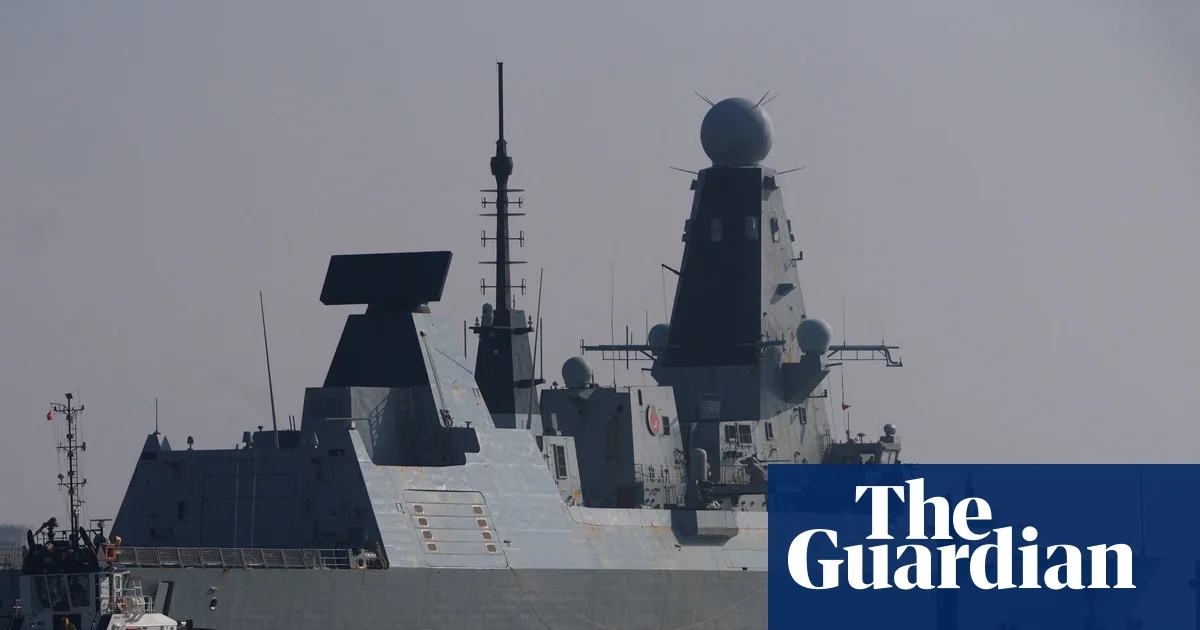
Last week, the Royal Navy quietly ran one of its most sustained recent surveillance operations in home waters, tracking four Russian ships as they moved from the North Sea down through the English Channel. The operation lasted 72 hours, deployed three naval vessels and a helicopter, and by all accounts was anything but routine in its intensity. The details, now confirmed, offer a sharp reminder that even in the absence of declared hostilities, the waters around Britain are a live theatre of strategic competition.
What Actually Happened
The operation unfolded over three consecutive days, with Royal Navy assets using radar systems to maintain persistent watch on the Russian convoy as it transited one of the world’s busiest maritime corridors. Four ships made the passage, moving through the North Sea before heading into the Channel. Deploying both surface vessels and an airborne asset reflects just how seriously the Navy treated the transit, tracking the ships continuously rather than through periodic check-ins.
According to reporting by The Guardian, the operation was described internally as “intense”, a word that carries real weight when applied to what might look, on paper, like a monitoring exercise. Monitoring at this scale and duration is resource-heavy and deliberate. Nothing about it was casual.
Why the Channel and North Sea Matter So Much
The English Channel is not just a geographic feature. It is, in shipping terms, one of the most strategically loaded stretches of water on the planet. Tens of thousands of commercial vessels pass through it annually, NATO supply lines depend on it, and submarine cables running along its floor carry a significant share of transatlantic data traffic. When Russian naval assets move through this corridor, allied navies take notice, every time.
The North Sea carries similar weight. It borders multiple NATO members, hosts critical offshore energy infrastructure, and sits at the northern approaches to the Channel itself. The route these four ships took is not unusual for Russian vessels heading between the Baltic and the Atlantic, but the frequency and nature of such transits have changed markedly since 2022. What was once a relatively predictable pattern of movement now carries a different edge.
A Pattern, Not an Anomaly
It would be a mistake to read this single operation in isolation. The Royal Navy has tracked Russian vessels in and around UK waters with increasing regularity over the past four years. The activity has become almost rhythmic, with British assets scrambling to shadow Russian ships whenever they push through these corridors. The 72-hour operation last week sits inside a much longer continuum of cat-and-mouse naval activity that has defined the northern European security picture since Russia’s full-scale invasion of Ukraine.
What makes this particular episode notable is the duration and the resource commitment. Three vessels and a helicopter, sustained for three full days, signals that the movement of these four Russian ships was treated as significant enough to warrant maximum attention. Whether that is because of the specific vessels involved, their cargo, their behaviour, or simply their route is not yet public knowledge, but the intensity of the response speaks for itself.
Britain’s Naval Posture in 2026
The Royal Navy has faced sustained scrutiny over its size and capability in recent years. Fleet numbers have contracted, and debates around defence spending have been a fixture of British political life. Yet operations like this one demonstrate that whatever the resource pressures, the Navy continues to perform its core function of protecting and monitoring UK territorial waters and the approaches to them.
The deployment of a helicopter alongside surface ships also points to the layered nature of modern maritime surveillance. Visual confirmation, radar tracking, and airborne observation together create a comprehensive picture that no single platform could achieve alone. It is expensive, it is logistically demanding, and it worked.
The Broader Geopolitical Signal
Russia’s continued use of the Channel route sends its own message. These transits are legal under international maritime law, and Russia knows it. Sailing through waters adjacent to NATO members is a way of projecting presence without crossing the threshold into an act of aggression. It tests allied readiness, generates intelligence about response times, and keeps the pressure on.
Britain’s response, tracking those ships for 72 hours straight with multiple assets, sends an equally clear counter-signal. UK waters will be watched. Russian movement through them will be logged, observed, and met with a sustained presence. The message is deterrence through visibility, making absolutely clear that nothing passes unnoticed.
What Comes Next
There is no reason to expect this dynamic to ease any time soon. As long as the broader conflict in Ukraine continues and NATO-Russia relations remain frozen, transits like last week’s will keep happening. And the Royal Navy will keep watching. The question is not whether it has the will to do so, but whether it will consistently have the assets.
Defence analysts have long argued that persistent maritime surveillance at this level requires investment in both platforms and people. A three-day, multi-vessel operation draws heavily on available capacity. If these transits become more frequent or more complex, the pressure on the Navy’s resources will only grow.
The 72-hour operation last week may not have made the front pages in real time, but it mattered. It was a quiet, professional assertion of sovereignty and vigilance in some of the most contested waters in the world. And it raises a question worth sitting with: as Russia continues probing the edges of NATO’s maritime boundaries, is Britain’s navy sized and funded to keep up with the demand that places on it?