



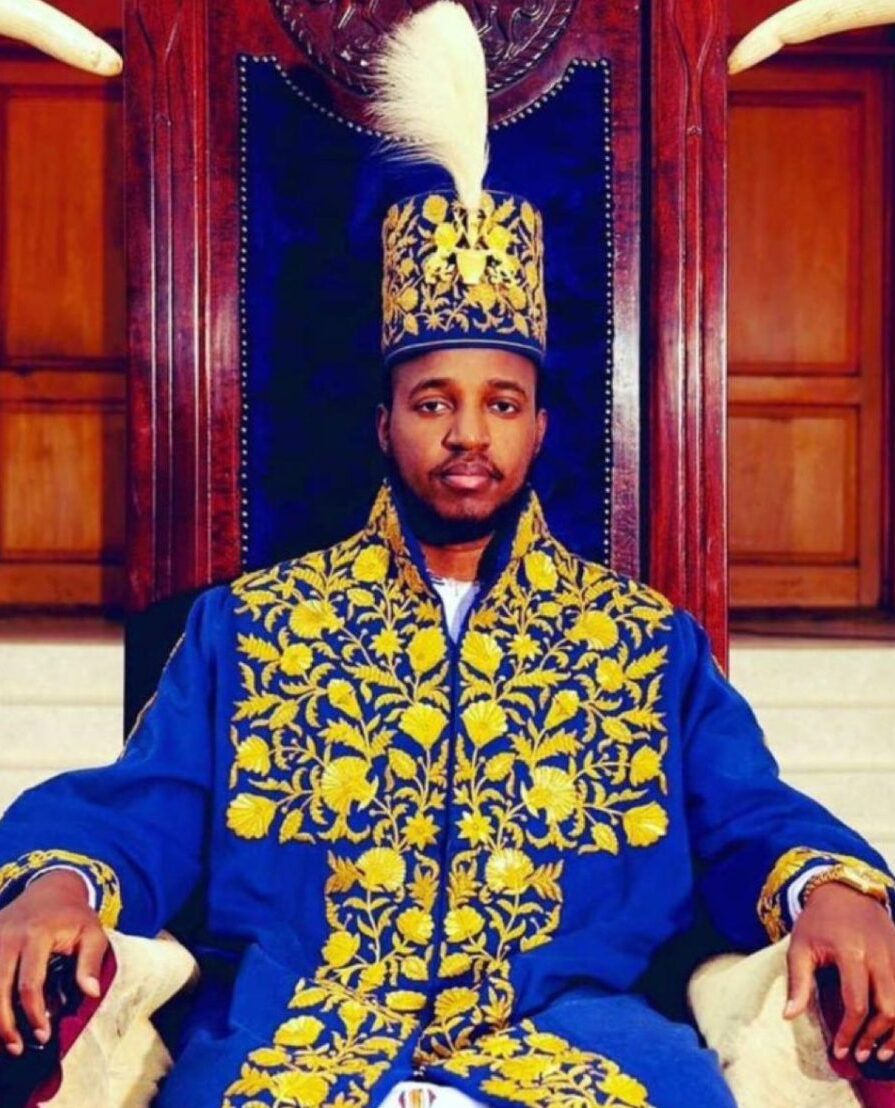
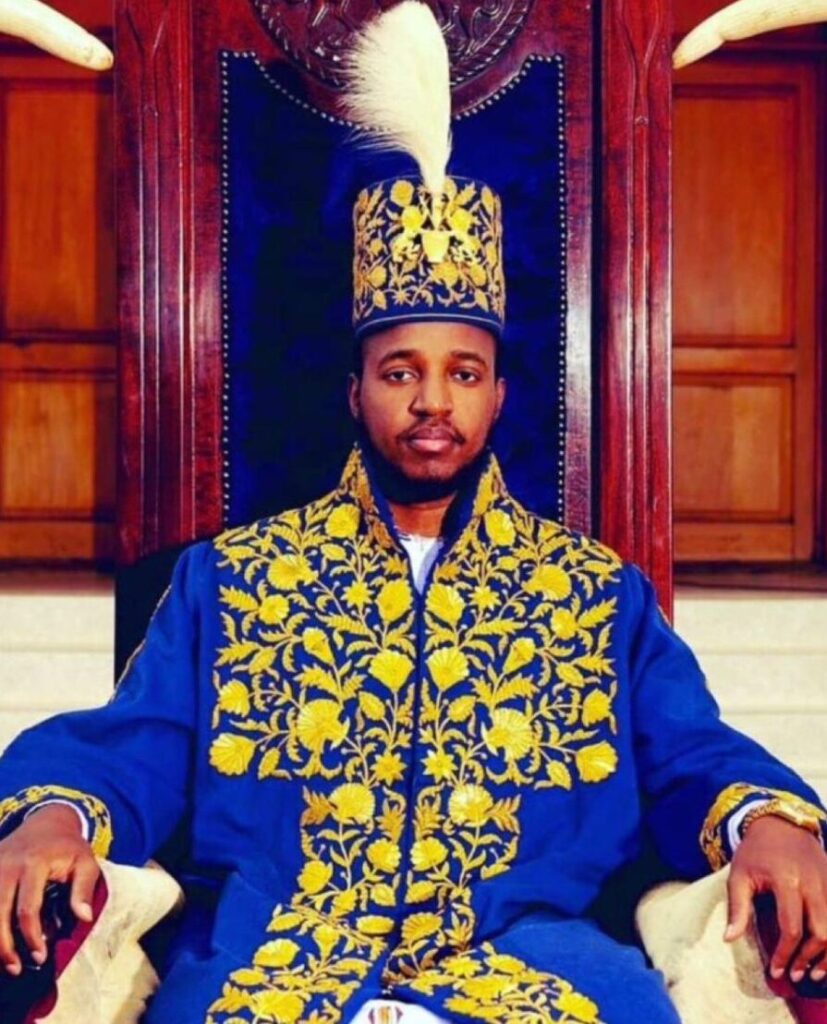
Uganda is grieving. On Thursday evening, King Oyo Nyimba Kabamba Iguru Rukidi IV, the monarch of the Tooro Kingdom in western Uganda, died in the United States at the age of 34, reportedly after a battle with cancer. His passing, announced by Tooro Kingdom Prime Minister Calvin Armstrong Rwomiire Akiiki, was confirmed to have occurred at approximately 10:00 p.m. The news sent ripples of sorrow across Uganda and far beyond, touching the hearts of royalists, Christians, and ordinary citizens who had watched this young king grow up in full public view.
The Archbishop Speaks
Among the earliest and most prominent voices to respond was Church of Uganda Archbishop Stephen Samuel Kaziimba Mugalu. On Friday morning, he reached out directly to Rwenzori Diocese Bishop Reuben Kisembo, whose diocese falls within the Tooro region, to personally extend his sympathies before making a broader public statement. It was a deliberate, pastoral gesture, the kind that cuts through the noise of formal announcements and speaks human being to human being.
“I have called my brother Bishop Reuben Kisembo of Rwenzori Diocese this morning to convey my condolences to him, the diocese and the people of Tooro Kingdom following the passing of His Majesty King Oyo Nyimba Kabamba Iguru Rukidi IV,” Archbishop Kaziimba said, speaking on behalf of the entire Church of Uganda.
He described the loss as one felt by the royal family, the wider kingdom, and the Christian community, noting that King Oyo was an Anglican. His words carried the weight of both ecclesiastical leadership and personal sorrow. To close his tribute, the Archbishop reached for scripture, invoking 2 Timothy 4:7, a passage from St Paul: “I have fought the good fight, I have finished the race, I have kept the faith.” It is a verse reserved for lives lived with purpose, and few lives in recent Ugandan history were as purposeful, or as unusual, as Oyo’s.
A Childhood Unlike Any Other
Born on April 16, 1992, to Omukama Patrick David Matthew Kaboyo Olimi III and Queen Mother Best Kemigisa, Oyo Nyimba Kabamba Iguru Rukidi IV had barely learned to walk when history summoned him. His father died in 1995, and on September 12 of that year, a three-year-old boy was crowned king of Tooro. Photographs from that coronation remain among the most arresting images in Uganda’s modern royal history: a tiny child draped in regalia, seated on a throne that dwarfed him in every physical sense, but which he would grow to fill in ways few could have predicted.
The world has seen child monarchs before. History is full of them. But to govern, to represent, to embody a kingdom while simultaneously growing up, that is a singular kind of pressure. Oyo carried it with a quiet dignity that earned him respect far beyond Tooro’s borders.
Nearly 31 Years of Reign
By the time of his death, King Oyo had led Tooro for nearly 31 years, a stretch that covered his entire conscious life. He grew from a symbolic figurehead managed by regents into an active and engaged monarch who threw his weight behind causes that mattered: education access, healthcare delivery, environmental conservation, tourism promotion, and youth empowerment. These were not decorative interests. They reflected a ruler who understood that traditional kingship in the 21st century had to earn its relevance through service.
His kingdom, nestled in the foothills of the Rwenzori Mountains and stretching toward Lake Albert, is one of Uganda’s oldest and most culturally rich. Under Oyo’s reign, Tooro maintained its cultural identity while engaging with modern Uganda’s political and social landscape. He worked to keep the kingdom’s institutions alive and meaningful in a country where traditional kingdoms were restored after years of suppression under Milton Obote’s government, and where their role continues to be debated and negotiated.
A Faith That Defined Him
That Archbishop Kaziimba specifically acknowledged King Oyo as a member of the Anglican faith is significant. The Church of Uganda has deep roots in the country’s history, and the relationship between traditional kingdoms and the church has long been intertwined. Oyo’s faith was not ceremonial window dressing. It was, by all accounts, a genuine part of who he was. The Archbishop’s use of St Paul’s words was not just liturgical formality. It was a recognition that Oyo lived a life of active faith, not passive observance.
A Kingdom Left to Grieve
The Tooro Kingdom now faces a period of mourning and, ultimately, the enormous question of succession. The institution Oyo leaves behind is both stronger and more complex than the one he inherited as a toddler. He modernised its outreach, expanded its cultural programming, and kept it visible in national conversations. The next chapter for Tooro will be written in the shadow of a king who, despite his youth, cast a remarkably long shadow.
Prime Minister Calvin Armstrong Rwomiire Akiiki’s announcement confirmed the monarch’s death and triggered an outpouring of condolences from across Uganda’s political, religious, and cultural establishment. But perhaps none was more quietly powerful than the Archbishop’s early morning phone call to Bishop Kisembo, a simple human act of reaching out in grief that said more than any formal statement could.
King Oyo was 34 years old. He had been king for 31 of them. Uganda will not see another story quite like his.
As Tooro prepares to bid farewell to its king, one question lingers for all of us: what does it mean to lead an entire people for nearly your entire life, and what kind of courage does that quietly ask of a person every single day?