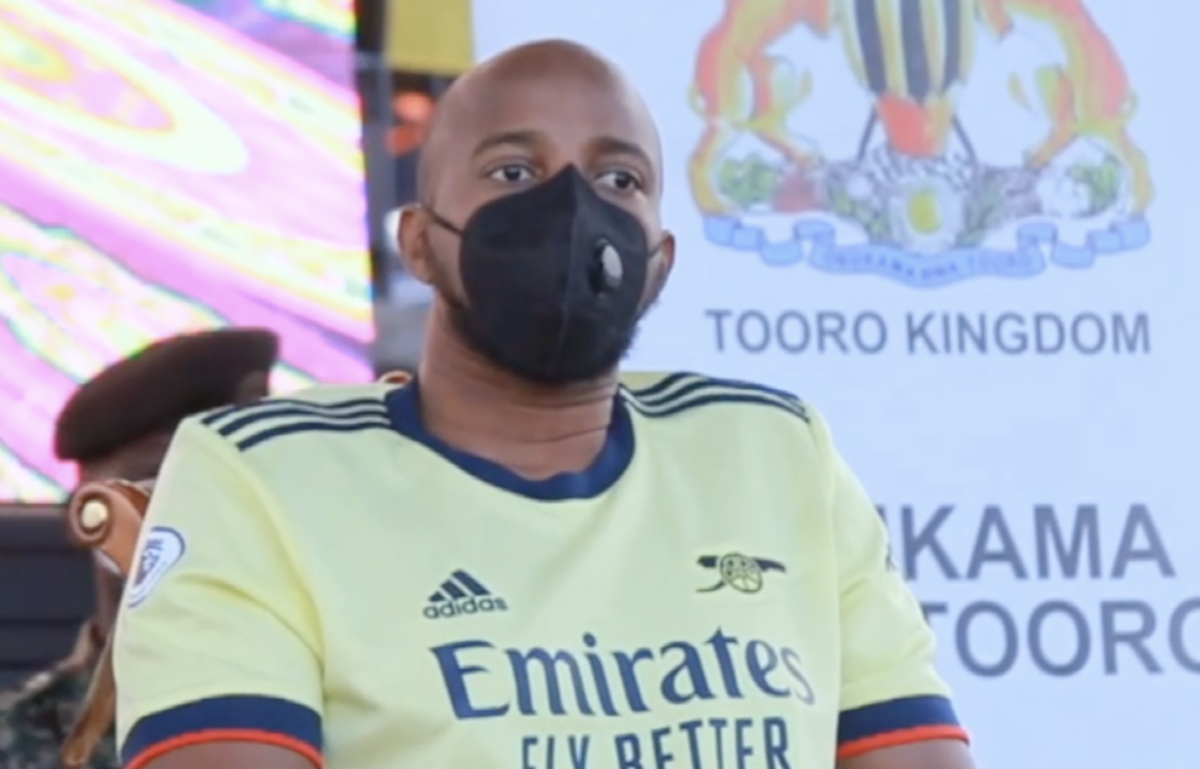
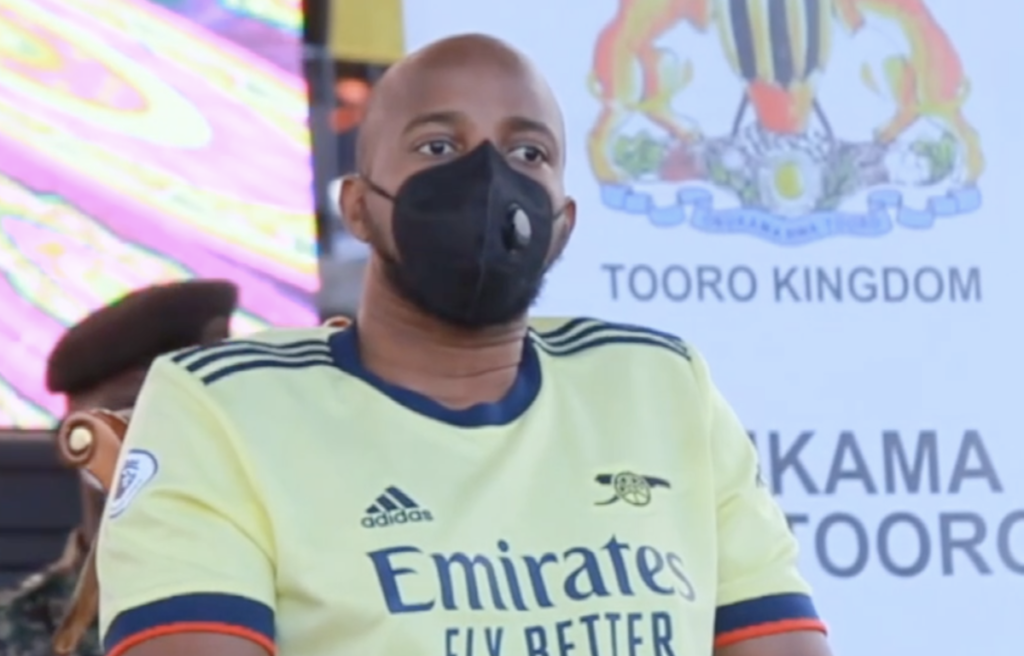
There are kings who rule from a distance, and then there is Omukama Oyo Nyimba Kabamba Rukidi of Tooro Kingdom, a figure who has consistently shown up not just for his people in the traditional sense, but for something many monarchs overlook entirely: sport. In a country where grassroots athletic development often struggles for attention and funding, the Tooro king has carved out a role that goes well beyond the ceremonial.
A Royal With a Genuine Sporting Spirit
Omukama Oyo is no stranger to athletic culture. His connection to sports runs deeper than ribbon-cutting appearances or photo opportunities at stadiums. He is widely recognised as a sports enthusiast whose personal passion has translated into real, tangible contributions to how the game grows in his kingdom and, by extension, in Uganda at large. That distinction matters. There is a significant difference between a public figure who endorses sports for optics and one who genuinely understands what it takes to build an athletic culture from the ground up.
According to a report by NTV Uganda, the Omukama has played a central role in the growth of sports within Tooro, both as a contributor to overall development and as a supporter who actively participates in the promotion of athletic activity. That dual role, doer and advocate, is rare and worth examining closely.
What Sports Development Actually Looks Like in Tooro
Sports development in a regional kingdom context is not a simple business. It requires infrastructure, sustained attention, and the kind of community trust that only a respected cultural figure can generate. Tooro, located in western Uganda, has historically been a kingdom of deep cultural pride. Channelling that pride into athletic achievement is a strategic and social move of considerable weight.
When a figure with the cultural authority of Omukama Oyo throws his weight behind sports, it sends a signal throughout the community, particularly to young people who might otherwise see athletic pursuit as an unsupported path. His involvement helps shift that narrative. It says, clearly, that chasing a ball or running a track is not a frivolous ambition. It is a worthy one.
The Power of a Cultural Symbol in Sports
Across Africa, traditional rulers have increasingly stepped into spaces once considered the exclusive domain of elected governments or international NGOs. Sports has become one of those spaces. From football academies to athletics meets, the involvement of respected cultural figures has proven to accelerate buy-in from local communities in ways that top-down government programmes sometimes struggle to achieve.
Omukama Oyo fits squarely into this trend, but with a personal authenticity that sets him apart. He is not simply lending his name. His track record as a sports enthusiast suggests someone who genuinely values what sport can do for a community: the discipline it teaches, the unity it builds, and the doors it can open for talented young people who might otherwise have none.
Beyond the Kingdom: A National Conversation
The ripple effects of Tooro’s sports push do not stop at the kingdom’s borders. Uganda, as a nation, is at an interesting crossroads in its athletic development story. The country has produced world-class distance runners, celebrated footballers, and talented athletes across disciplines. But translating individual brilliance into sustained institutional support remains a challenge that requires voices from every corner of society, including the cultural sector.
Omukama Oyo’s visibility on this front adds a valuable dimension to the national conversation. It challenges other cultural institutions and traditional leaders to ask what role they might play in supporting the next generation of Ugandan athletes. His example is not just locally meaningful. It is nationally instructive.
A Legacy Still Being Written
What makes Omukama Oyo’s contribution particularly interesting is that his story in sports is ongoing. He is not a retired patron looking back at old achievements. He is an active presence, and that continuity matters enormously. Sustained engagement builds credibility. It tells communities that this is not a fleeting interest but a genuine long-term commitment to their development.
For a kingdom with the history and pride of Tooro, having that kind of leadership on the question of sports is an asset that money alone cannot buy. Cultural trust, accumulated over years of consistent action, is the real currency here, and by all accounts, Omukama Oyo has invested it wisely.
Why This Matters Right Now
As Uganda looks toward the future of its sporting landscape, the role of non-governmental champions, whether from the private sector, civil society, or cultural institutions, is going to be critical. Government resources are finite, and the demand from communities for sporting opportunities is enormous. Leaders who can bridge the gap between cultural authority and practical action are exactly the kind of figures the country needs more of.
Omukama Oyo of Tooro is already playing that role. The question now is whether his model inspires others across Uganda’s many kingdoms and cultural institutions to follow suit, and whether policymakers take note of what grassroots sports promotion, driven by trusted local figures, can genuinely achieve.
Could the Tooro model of royal-backed sports development become a blueprint for how Uganda’s cultural institutions engage with the next generation of athletes? That is a conversation worth having, and the sooner the better.