




On the morning of August 28, 2026, Australian families are doing the only thing left available to them: waiting. Their loved ones, somewhere in the wreckage of what were once thriving river-valley communities along Nepal’s border with Tibet, have not been heard from. Flash floods and landslides of extraordinary violence tore through the Bhotekoshi and Trishuli river basins in the days prior, and the full scale of the disaster is only now becoming clear.
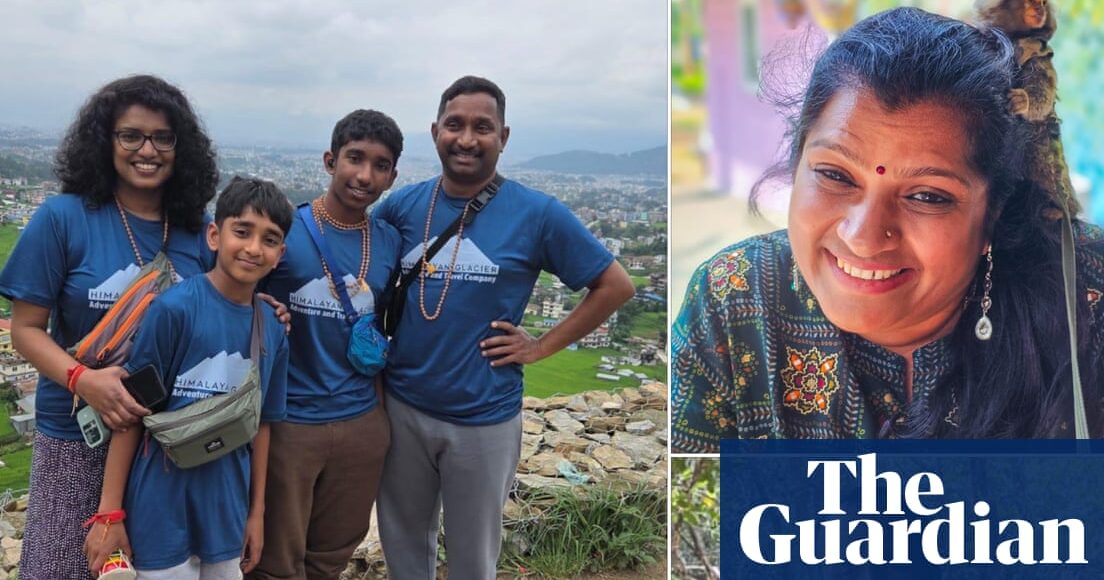
Among the missing are an Australian Defence Force member and two young Sydney boys who disappeared along with their parents in the chaos. Nepal police confirmed on Friday that more than 1,500 people remain unaccounted for, while the death toll has risen to at least 469. For the families watching the news from thousands of kilometres away, those numbers are not statistics. They are everything.
A Disaster Along One of Nepal’s Most Treacherous Corridors
The Bhotekoshi and Trishuli river basins are no strangers to flooding. Nestled against the Tibetan Plateau, these valleys funnel enormous volumes of glacial meltwater and monsoon rain through narrow gorges, a geography that turns heavy rainfall into catastrophe with very little warning. What struck this time, however, appears to have been of a scale that overwhelmed even seasoned locals.
Flash flooding, by its nature, is merciless. It does not announce itself. Communities that were going about ordinary life, travellers on scenic routes, trekkers taking in views that have drawn adventurers for generations, all were caught without meaningful chance to escape. Roads were erased. Bridges folded. The kind of infrastructure that might have enabled a swift evacuation simply ceased to exist.
According to reporting from The Guardian, the scale of the disaster has left relatives of missing Australians described as “really worried, but hopeful”, a phrase that captures the impossible emotional arithmetic of a situation with no resolution yet in sight.
The Human Stories Behind the Numbers
When a disaster claims hundreds of lives and leaves over a thousand missing, the temptation is to process it through the cold language of statistics. The numbers are staggering enough on their own. But the stories that have begun filtering back to Australia carry a different weight entirely.
The ADF member’s family has spoken of someone “so desperately loved,” a phrase that lodges in the mind long after you read it. The two Sydney boys, travelling with their parents, represent the particular heartbreak of children caught in something utterly beyond anyone’s control. Their families remain hopeful. That hope, fragile and fierce in equal measure, is the only currency they have right now.
Australia’s diplomatic and consular machinery is engaged, as it must be during any overseas crisis involving citizens. The scale of the emergency, however, stretches the resources of any response. Nepal itself is dealing with a national catastrophe, and international search-and-rescue capacity in remote Himalayan terrain is always a logistical puzzle even in the best of circumstances.
Nepal’s Ongoing Vulnerability to Himalayan Hazards
Nepal sits at the collision point of some of the world’s most volatile natural forces. The Himalayas are geologically young, meaning unstable terrain is the norm rather than the exception. Monsoon seasons regularly bring landslides and flooding, but climate pressures have intensified rainfall patterns and accelerated glacial lake formations, both of which increase the risk of sudden, catastrophic water releases.
The Nepal-Tibet border region in particular has seen a number of glacial lake outburst floods over the decades, events where ice-dammed lakes breach without warning and send walls of water and debris downstream at terrifying speed. Whether this latest disaster involves such a mechanism is still being established, but the geography alone tells you the risks were always real.
For the thousands of tourists, trekkers, and pilgrims who travel these routes each year, the beauty of the landscape and the danger it carries exist in permanent tension. Most visits end with nothing more than sore legs and unforgettable photographs. This time, for dozens of Australian families, the story has taken a far darker turn.
What Comes Next for the Missing and Their Families
Search operations in the aftermath of Himalayan floods are slow and dangerous work. Landslides destabilise hillsides for days after initial events, making recovery teams vulnerable. Roads that need to be traversed to reach affected areas are often the very roads that have been destroyed. Helicopters, weather permitting, become the primary lifeline.
For Australians awaiting news, the Department of Foreign Affairs and Trade’s emergency consular services are the key point of contact. Anyone with a family member unaccounted for in the region is urged to register with consular authorities if they have not already done so, and to monitor official government travel advisories as conditions on the ground evolve.
The grief and uncertainty playing out in living rooms across Sydney and beyond is a reminder that travel to even the most familiar adventure destinations carries risk that no itinerary can fully account for. And yet, few who have stood at the edge of Nepal’s river valleys would say the world would be better without people seeking those experiences. The tragedy is not in the going. It is in the forces that no human being could have stopped.
As Nepal begins the immense work of accounting for its dead and searching for its missing, the world watches. The families of those Australians still unaccounted for watch most of all, holding onto hope with both hands, waiting for a message or a call that tells them their person is still out there, still alive, still coming home.
If you have a connection to someone missing in the Nepal floods, or if this story has moved you, share it. Sometimes the smallest act of amplification is what brings the right information to the right person at the right time. What does this disaster tell us about how the world needs to rethink the safety infrastructure available to travellers in increasingly volatile natural environments?