









The person running one of the world’s most recognisable gaming brands has a message for players everywhere: cost is a real concern, and Microsoft’s Xbox division is not ignoring it. Asha Sharma, the chief executive of Xbox, sat down with the BBC this week to address the mounting pressure on gaming hardware prices and outlined what her team is doing to keep consoles within reach of everyday players.
A Crisis in the Cost of Computing
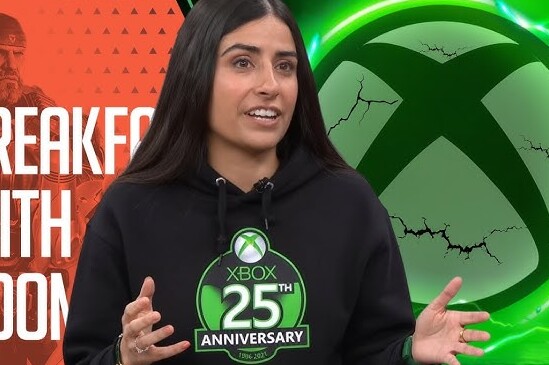
Sharma did not mince her words. Speaking candidly, she described the current moment as a genuine “crisis” in computing prices, one that gaming companies cannot afford to sidestep. The culprit, at least in part, is the enormous global spending surge around artificial intelligence infrastructure. As chip manufacturers and hardware suppliers prioritise AI-related demand, the downstream effect on consumer electronics, including gaming consoles, is a steady climb in production costs.
For Xbox, which has long competed with Sony’s PlayStation on both performance and price, this creates a delicate balancing act. Push the hardware too far and you price out the very audience you need. Hold back on specs and you risk losing the premium gaming crowd. Sharma acknowledged the tension directly, telling the BBC that affordability must be front of mind as the company plots its next-generation console strategy. You can read more about her full interview with the BBC here.
The 1,000-Game Digital Entitlement Announcement
Beyond the affordability conversation, Sharma dropped a piece of news that will matter enormously to anyone with a stack of Xbox discs collecting dust on a shelf. Xbox is set to introduce a digital entitlement programme covering 1,000 titles. Put simply, if you already own a physical disc version of one of these games, you will soon be able to access a digital version of that same title, no disc required.
The practical implications here are significant. It means that when next-generation Xbox hardware eventually arrives, players who have built up years’ worth of physical game collections may not need to repurchase those titles or keep a disc drive handy just to play them. It is a form of backwards compatibility, but one that bridges the physical-digital divide rather than simply running old software on new machines.
“There are stacks of games on everybody’s shelves,” Sharma said, and it is hard to argue with that observation. For anyone who came of age gaming in the 2000s or 2010s, those shelves are a museum of memories, and the idea of those libraries becoming obsolete with each console generation has always been one of gaming’s most frustrating recurring headaches.
Choice Is the Keyword
Sharma was careful to frame the whole conversation around player choice rather than a forced march toward digital-only. “I know players love physical media, and I know there’s a lot of benefits in digital media, and I want to make sure people have a choice,” she said. That framing matters, because the wider industry conversation has been heading in a direction that many players find uncomfortable.
Sony, for instance, announced that new PlayStation games will stop being released on physical discs from January 2028. The hotly anticipated Grand Theft Auto VI is also launching without a disc version. These are seismic shifts, and they are happening fast. The ability to buy and sell second-hand games, a feature that physical media enables and digital libraries do not, is increasingly under threat across the entire sector.
Why This Matters Beyond the Console Wars
It would be easy to frame this as another round in the long-running Xbox versus PlayStation rivalry, but the issues Sharma is raising go deeper than market share. Gaming is no longer a niche hobby. It is a mainstream cultural force, and its accessibility, particularly for younger players and households in tighter financial circumstances, carries genuine social weight.
If next-generation consoles launch at prices that exclude a significant portion of the current gaming audience, the companies behind them do not just lose sales. They lose community, they lose engagement, and they invite regulatory and public scrutiny around monopolistic pricing in a sector that has already drawn attention from competition authorities in multiple countries.
Sharma’s willingness to name the affordability issue openly is notable. It suggests Xbox has read the room and understands that its long-term health depends not just on producing the most powerful hardware, but on making sure that hardware is actually attainable.
The Broader Digital Transition
The 1,000-title digital entitlement plan is also worth watching as a potential industry template. If it works, if players genuinely feel that their existing physical libraries are being respected rather than abandoned, it could become a model for how the gaming industry manages the ongoing transition away from discs without alienating its most loyal customers.
Digital games have real advantages: instant access, no risk of disc damage, easier library management. But they also come with real drawbacks, including the fact that ownership is more conditional, tied to platform accounts and licensing agreements rather than a physical object you can lend to a friend or sell when you’re done. The tension between those two realities is not going away.
Whether Asha Sharma and Xbox can thread that needle on affordability, respecting the past while building toward a digital future, may well define how this next chapter of gaming plays out for millions of players around the world.
So here is the question worth sitting with: as the lines between physical and digital ownership blur further, what does it actually mean to “own” a game, and should gaming companies be doing more to guarantee that ownership lasts beyond any single console generation?