


Uganda’s tourism sector has been quietly assembling one of East Africa’s most compelling growth stories, and somewhere in the middle of all that momentum sits a question that keeps aspiring entrepreneurs up at night: how do you actually build a tourism business that works? Not just a business that looks good on paper or survives its first season, but one that grows, retains clients, and holds its own in one of the world’s most experience-driven industries.
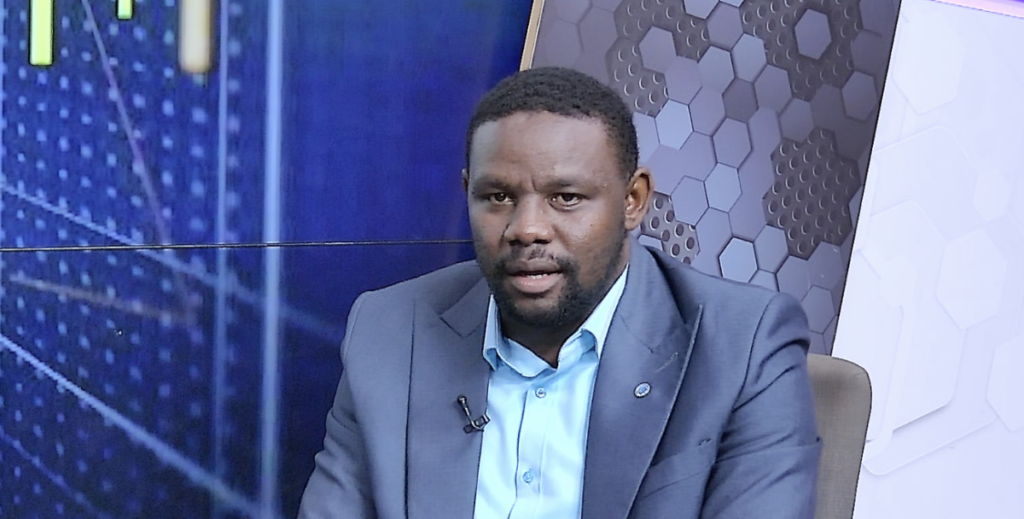
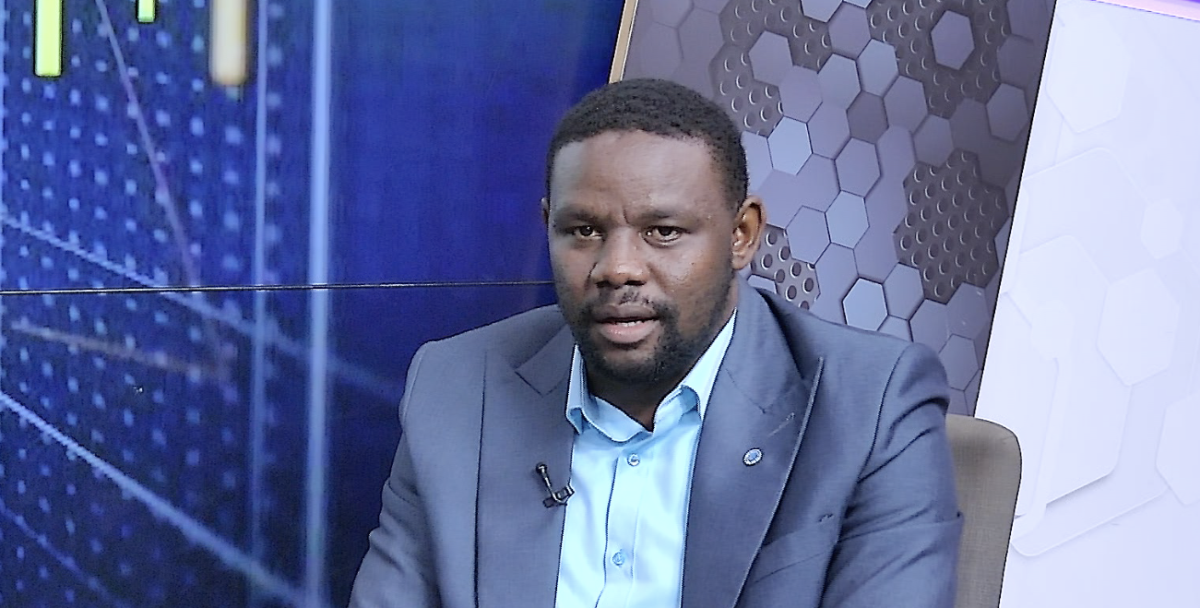
That question sat at the heart of a recent conversation on NTV Uganda’s business programme The Link, where host Samuel Ssetumba sat down with Bonny Kagaba, the mind behind Likani Safaris, to unpack what the tourism small and medium enterprise landscape in Uganda really looks like from the inside.
Uganda’s Tourism Opportunity Is Real, But It Comes With Strings Attached
Uganda has a lot going for it. Mountain gorillas in Bwindi. The source of the Nile in Jinja. Tree-climbing lions in Queen Elizabeth National Park. White water rafting that draws thrill-seekers from across the globe. The country is sitting on a tourism goldmine, and the government has been pushing hard to convert that natural wealth into consistent foreign exchange earnings.
But the opportunity comes with genuine complexity. Tourism is not a business you stumble into with enthusiasm and a WhatsApp number. It requires licensing, logistics, relationships with accommodation providers, a deep understanding of client expectations, and the kind of operational backbone that can absorb the unpredictability of wildlife, weather, and international travel schedules all at once.
For small operators, this is where things get tricky. The barriers to entry can feel low until you are actually inside the industry and realise how much invisible infrastructure holds the whole thing together.
What Kagaba and Likani Safaris Know That Many Newcomers Don’t
Bonny Kagaba’s insights are grounded in the kind of experience you cannot fake. Running a safari company in Uganda means navigating a market where tourists are increasingly sophisticated, reviews travel at the speed of social media, and trust is the single most valuable currency you can earn.
One of the recurring themes in conversations with experienced tourism operators is the distinction between selling a trip and curating an experience. Tourists visiting Uganda are not just buying transportation from Entebbe to a national park. They are investing in a story they will tell for years. The operator who understands that difference, and builds every touchpoint of the business around it, is the one who earns repeat clients and powerful word-of-mouth.
For an SME, that kind of brand reputation is worth more than any single marketing campaign.
The Business Side of Tourism: What No One Warns You About
There is a romantic version of the tourism business that many entrepreneurs hold onto too long. The reality involves cash flow management across wildly uneven booking seasons, the challenge of pricing competitively without underselling your service, and the constant negotiation between quality and cost that every small operator faces.
Licensing and regulatory compliance is another area where new entrants frequently stumble. Uganda’s tourism regulatory framework requires operators to meet specific standards, and working within those structures is not optional if you want long-term credibility with both local authorities and international travel aggregators who source local partners for their packages.
Technology has also reshaped the competitive landscape dramatically. A decade ago, a tourism SME in Uganda could survive largely on referrals and direct relationships. Today, visibility on platforms like TripAdvisor and responsiveness on social media channels are effectively non-negotiable for reaching international visitors who research every element of a trip before committing a single dollar.
Staffing, Training, and the Human Element
Tourism is, at its core, a people business. The guide who leads a gorilla trek is not just providing a service. They are the face of Uganda to that particular group of visitors. Their knowledge, warmth, and professionalism will shape the reviews, the referrals, and ultimately the revenue that flows back to the SME.
Investing in staff training is one of the smartest things a small tourism operator can do, even when budgets are tight. Knowledgeable, well-presented guides with strong communication skills are a genuine competitive advantage in a market where many operators are offering broadly similar itineraries through broadly similar landscapes.
Retention matters too. High staff turnover in tourism is a silent killer for small businesses because the relationships your best guides have built with returning clients are irreplaceable. Treating staff well and creating genuine career pathways is not just good ethics. It is smart business.
Growing Beyond Survival Mode
The jump from a tourism SME that is surviving to one that is genuinely thriving requires a strategic shift in thinking. Many small operators get stuck in a reactive mode, chasing individual bookings and never quite stepping back to ask bigger questions about positioning, partnerships, and long-term growth.
Forming strategic partnerships with hotels, airlines, and international tour operators is one pathway that experienced players like Kagaba understand well. Being listed as a recommended local operator by a well-known international travel brand can generate a volume of qualified leads that no individual marketing spend could match.
Specialisation is another lever. Uganda’s tourism market is broad, but operators who carve out a clear niche, whether that is birding tours, community-based cultural experiences, or high-end luxury safaris, tend to build stronger brand identities and attract clients with higher willingness to pay.
The Bigger Picture for Uganda’s Tourism Economy
Uganda’s tourism SMEs are not operating in isolation. They are part of a broader ecosystem that includes national parks management, hospitality infrastructure, transport networks, and an evolving regulatory environment. The health of that ecosystem directly affects every small operator’s bottom line.
Conversations like the one between Ssetumba and Kagaba matter precisely because they bring practical, earned knowledge into the public domain where it can help the next generation of entrepreneurs avoid expensive mistakes and move faster toward sustainability.
The tourism industry rewards preparation, consistency, and genuine passion for what Uganda has to offer. It punishes shortcuts, especially when those shortcuts end up in a visitor’s one-star review.
If you are sitting on a tourism business idea and wondering whether Uganda’s market has room for you, the short answer is yes. But the longer answer requires an honest conversation with someone who has already done the hard work. Are you ready to invest in the knowledge it takes to compete, or are you still treating tourism like a side hustle?