





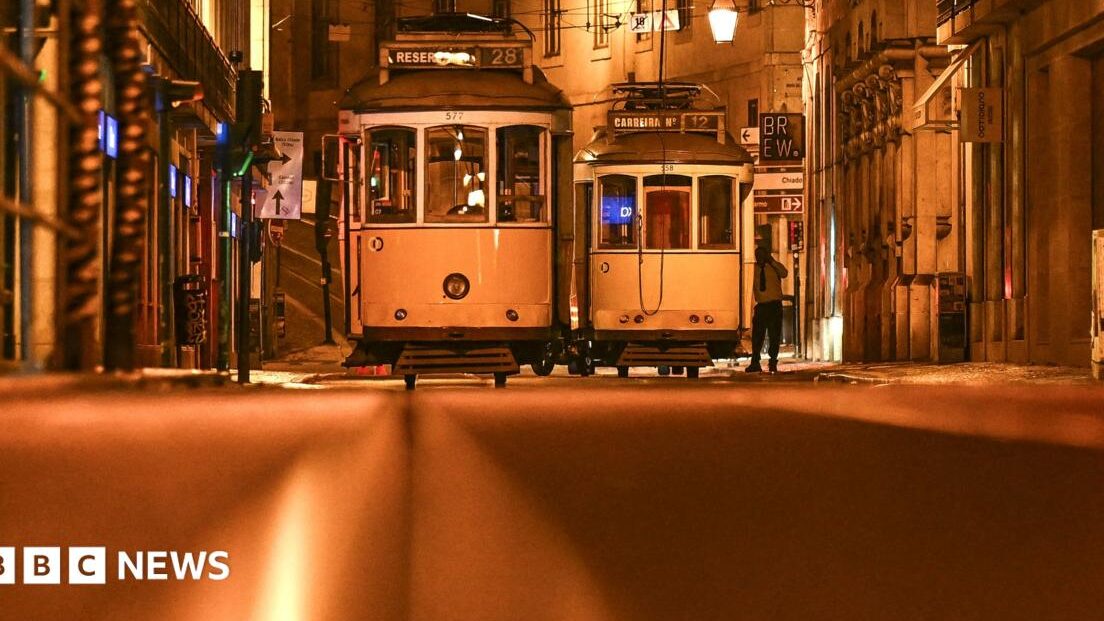
On the morning of April 28, 2025, the Iberian Peninsula simply stopped. Lights cut out across Spain and Portugal without warning, plunging millions of homes, offices, and factories into darkness for several agonizing hours. People reached for lanterns and battery-powered radios. Companies scrambled to save whatever they could. And when the power finally came back, the damage had already been done.
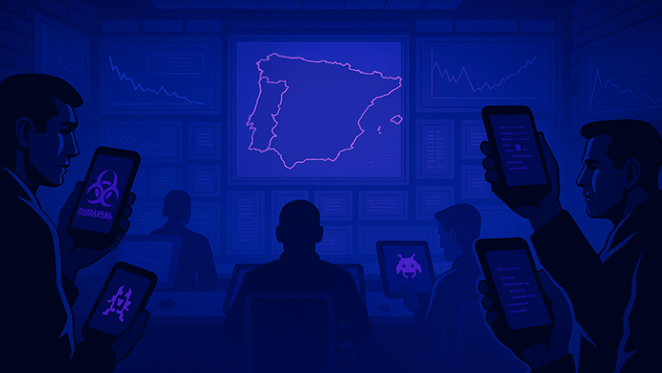
More than a year on, the ripple effects of that single catastrophic event are still reshaping how businesses across the region plan, prepare, and invest. The question that once seemed theoretical has become urgent: what happens when the grid lets you down?
A Nightmare in Aragon
Few companies felt the shock of that morning more viscerally than Fribin, a Spanish meat processing firm based in Binéfar, a town in the north-eastern province of Aragon. The company was midway through its morning production shift when everything went silent. Conveyor belts stopped. Processing lines froze. Workers stood in the sudden stillness of a facility that, moments before, had been humming with industrial activity.
For Andrés Altabás, Fribin’s technology and systems director, the hours that followed were deeply distressing. The firm’s emergency systems simply weren’t built for a failure of this scale or duration. Refrigeration units were given priority to protect stored product, but that decision came at a cost. Every processing line had to be shut down completely. Product that was mid-cycle through the processing stage could not be salvaged.
“There were losses of hundreds of thousands of euros,” Altabás said, a figure that reflects just how quickly an unplanned outage can carve through a company’s bottom line. For a firm with annual energy consumption exceeding 25 gigawatt-hours, the vast majority of which goes toward keeping refrigeration systems running, energy is not a background concern. It is the backbone of the entire operation.
The Calculation That Finally Changed
What makes Fribin’s story particularly telling is not just what happened during the blackout, but what had been happening in the years before it. The company had, by Altabás’s account, been weighing up investment in a battery backup system for some time. The technology was understood. The need was acknowledged. But the economics hadn’t stacked up, and the expenditure had repeatedly been judged too steep to justify.
April 28 changed that calculus entirely. When the cost of not having backup power arrives not as a forecast but as an actual invoice, the conversation shifts. Suddenly, the upfront investment in battery storage looks very different measured against the documented losses of a single bad morning.
This is the pattern playing out across the Iberian business landscape right now, as companies reassess their energy resilience strategies in the wake of the blackout. Firms that once treated grid stability as a given are now treating it as a risk to be actively managed.
Why Battery Storage Is Having Its Moment
Battery energy storage systems, long discussed as a future solution, are rapidly becoming a present-day necessity for industrial operators. The technology allows companies to store electricity drawn from the grid or from renewable sources and deploy it the moment supply falters. For a meat processing plant, that might mean keeping refrigeration units live through an outage. For a data centre, it could mean preventing server failures that cascade into client crises.
The April 2025 blackout did something that years of sustainability reports and energy efficiency campaigns had struggled to do: it made the abstract concrete. Businesses didn’t need to imagine what an extended grid failure would cost them. They had receipts.
Spain and Portugal are not uniquely vulnerable to grid instability, but their experience has become a case study for energy planners across Europe. The interconnected nature of the Iberian grid means that a failure at scale can spread with alarming speed, leaving even well-managed facilities exposed if their contingency planning hasn’t kept pace with modern risk levels.
From Reluctance to Urgency
There is something almost instructive about the gap between knowing a risk exists and actually doing something about it. Fribin’s situation, where battery storage had been considered and deferred for years on cost grounds, reflects a broader corporate tendency to treat resilience investment as optional until a crisis makes it essential.
The same dynamic plays out in cybersecurity, in flood defenses, in supply chain redundancy. The spending that looks excessive in a calm year looks woefully inadequate the morning after a disaster. Battery backup for industrial operations had been sitting in that uncomfortable middle ground, recognized as useful but not yet urgent enough to compete for capital. The blackout settled the argument.
For Altabás and the team at Fribin, the rethink is a serious undertaking. The company’s energy footprint is substantial, and designing a backup system that can meaningfully protect its operations requires significant planning, not just capital. But the direction of travel is clear. The question is no longer whether to invest, but how quickly and at what scale.
The Broader Lesson for European Business
The Iberian blackout of April 2025 may turn out to be one of the defining corporate wake-up calls of the decade. As energy grids across Europe face growing pressure from the transition to renewables, aging infrastructure, and increasingly volatile demand patterns, the comfortable assumption that power will simply always be there is starting to crack.
Companies that build resilience now, that invest in storage, in redundancy, in contingency systems before the next failure, will be better placed to absorb whatever the grid throws at them. Those that wait for another April 28 to make the case may find the lesson comes at a price they’d rather not pay again.
The lights came back on across Spain and Portugal that day in 2025. But for many businesses, the real work started only once they did. Is your company prepared for the next time the grid goes dark, or are you still waiting for a crisis to make the decision for you?