




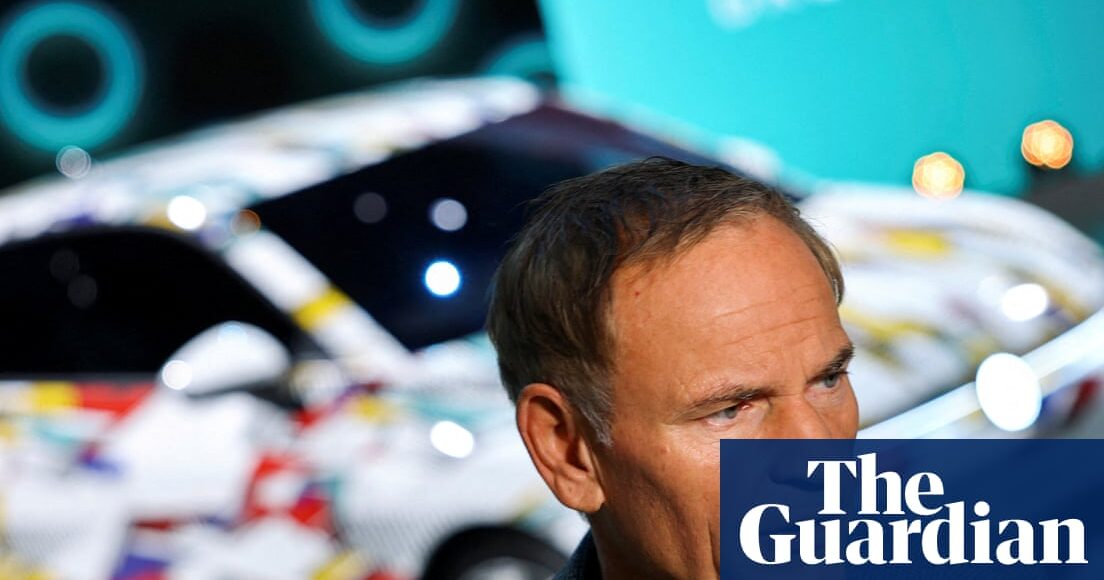
More than 10,000 Volkswagen workers packed the company’s German headquarters on Tuesday, August 25, 2026, and what they offered their chief executive was not applause. It was boos, whistles, and banners that cut straight to the point. Oliver Blume, the man at the top of one of the world’s most recognisable car brands, stood before a workforce that is frightened, furious, and increasingly unconvinced that management has their interests at heart.
A Company at a Crossroads
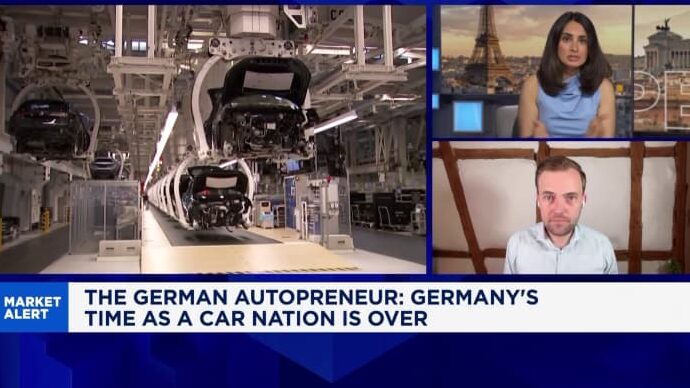
Volkswagen’s troubles did not arrive overnight. The company has been grinding through a painful stretch defined by two forces that have reshaped the global car industry faster than anyone in Wolfsburg anticipated. Chinese electric vehicle manufacturers have undercut European rivals on price with a ferocity that traditional automakers were simply not built to absorb. At the same time, US tariffs have added another layer of financial pressure, squeezing margins on exports and complicating the kind of long-term investment planning that a company of VW’s scale depends on.
The result is a business that, by Blume’s own admission, needs to be fundamentally reorganised. In his address to workers, the CEO argued that a comprehensive restructuring is not optional. It is, in his framing, the price of survival. The plan under consideration reportedly includes job losses and potential factory closures, though the full scope of what VW is prepared to do remains a subject of intense negotiation with unions and worker councils.
What the Workers Actually Said
The crowd at VW’s headquarters was not passive. Workers held up banners and chanted slogans, the most pointed of which was impossible to spin: “Our jobs are not your balance sheet adjustments.” That line captures something important about the mood inside German industrial workplaces right now. Workers are watching executives talk about transformation while wondering whether their livelihoods will be the first thing sacrificed on the altar of shareholder value.
Blume urged the workforce to “pull together,” a phrase that lands differently depending on which side of the desk you sit on. For a CEO, pulling together means shared sacrifice and collective focus. For a factory floor worker with a mortgage and a family, it can sound like being asked to accept pain that was not of their making. The Guardian’s reporting on the event captures just how charged the atmosphere was, with thousands expressing their displeasure openly and loudly.
The Bigger Picture for European Auto Manufacturing
Volkswagen is not an isolated case. It is, however, the most visible flashpoint in a much wider crisis gripping European car manufacturing. Legacy automakers across Germany, France, and Italy built their dominance on internal combustion engines, supplier ecosystems, and brand loyalty cultivated over decades. None of those advantages translate cleanly into the electric vehicle era, where battery costs, software integration, and speed to market are the new competitive battlegrounds.
China’s BYD and a cluster of well-funded EV startups have not just entered the market. They have rewritten its rules. Their ability to produce capable electric vehicles at prices that European consumers find genuinely attractive has exposed structural cost problems at companies like VW that were papered over during the more comfortable years of diesel dominance.
The US tariff situation adds a further complication. European manufacturers with significant American sales exposure have had to absorb costs or pass them on to buyers, neither of which is a winning strategy when consumer confidence is already stretched.
Why Germany Is Watching This So Closely
Volkswagen is not merely a large employer. In Germany, it is something closer to a national institution. The city of Wolfsburg exists, in a very real sense, because of VW. The company’s fortunes ripple through supplier networks, local economies, and the broader sense of German industrial identity. When VW struggles, the conversation quickly moves beyond quarterly earnings reports and into questions about the future of manufacturing employment in Europe’s largest economy.
German unions, particularly IG Metall, have historically wielded significant power in VW’s governance structure, with worker representatives holding seats on the company’s supervisory board. That gives the workforce genuine leverage, not just the ability to make noise in a car park. Any restructuring plan will have to be negotiated seriously, and those negotiations are unlikely to be quick or comfortable.
What Comes Next
The scenes in Wolfsburg this week are a preview of a longer, harder conversation. Blume has made clear that the status quo is not viable. The workforce has made equally clear that they will not accept restructuring terms that treat their jobs as line items to be optimised away. Somewhere between those two positions, a compromise will have to be found, probably involving a combination of voluntary redundancies, retraining programmes, investment commitments, and phased timelines that give workers something to hold onto.
Whether VW can execute that kind of transformation while simultaneously competing with faster, leaner rivals in the EV space is the question that defines the company’s next chapter. The boos on Tuesday were loud. The decisions ahead are louder still.
As traditional industrial giants face pressure from all sides, one question lingers: should European governments step in to protect manufacturing jobs, or is it time to let the market determine who survives the electric revolution? Leave your take in the comments below.