


Uganda’s Cabinet has approved the acquisition of a 31.98-million-euro loan to fund the construction of a dedicated cancer treatment facility in Mbarara, marking one of the most significant investments in the country’s oncology infrastructure in recent memory. The decision, announced in August 2026, arrives at a moment when the country’s cancer numbers are impossible to ignore.
A Crisis Hiding in Plain Sight
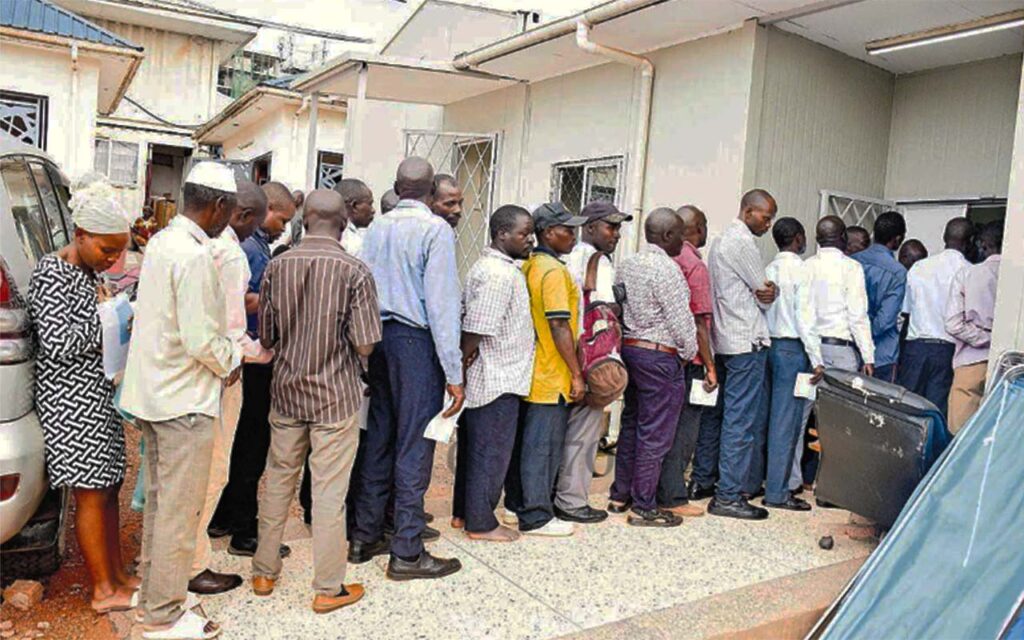
Thirty-six thousand. That is the number of new cancer cases Uganda recorded in 2025 alone. It is a figure that ought to stop anyone cold, and for health officials it represents not just a statistic but a daily reality playing out in waiting rooms, wards, and households across the country. Cancer has quietly become one of Uganda’s most pressing public health challenges, yet the infrastructure to meet it has not kept pace with the scale of the problem.
The situation at the Uganda Cancer Institute paints an uncomfortable picture. Officials say a large proportion of patients who walk through its doors are already at advanced stages of the disease, which dramatically reduces the chances of successful treatment. Early detection and accessible regional care are the antidote to that pattern, and that is precisely what the Mbarara Regional Oncology Centre is designed to address.
Why Mbarara?
Mbarara is not a random choice. As one of Uganda’s largest urban centres in the western region, it serves as a gateway for patients travelling from surrounding districts who currently have no realistic option but to make the long journey to Kampala for cancer care. That journey, for many patients already weakened by illness, is a genuine barrier. Some never make it. Others arrive so late that treatment becomes a matter of comfort rather than cure.
Placing a fully equipped oncology centre in Mbarara changes the geography of cancer care in Uganda. It means patients in the west, south-west, and parts of central Uganda gain access to specialist services without the physical and financial strain of travelling hundreds of kilometres. In public health terms, decentralisation is not just a logistical convenience. It is a lifesaving strategy.
What the €31.98 Million Loan Actually Means
Loan-funded infrastructure projects in developing economies often attract healthy scepticism, and rightly so. The questions worth asking are always the same: will the money be managed well, will the facility be built on time, and once it is built, will it be staffed and supplied adequately to function at the level intended?
Those questions will need answers as this project moves from Cabinet approval into the construction phase. But the scale of the investment itself signals genuine intent. At just under 32 million euros, this is not a cosmetic upgrade or a ribbon-cutting exercise on a repainted building. A purpose-built oncology centre requires radiation equipment, chemotherapy units, diagnostic imaging, surgical theatres, and a trained workforce to operate all of it. Done properly, the Mbarara facility could become the backbone of cancer care for millions of Ugandans who currently have nowhere near enough access to it.
Staffing and Sustainability: The Real Test
Bricks and equipment are the beginning, not the end. Uganda faces a well-documented shortage of oncologists, radiologists, and oncology nurses, a challenge shared across much of sub-Saharan Africa. The government will need a parallel strategy to train and retain the specialists who will actually run the centre once it opens. Without that, even the finest building becomes an underperforming asset.
There is also the question of long-term operational funding. Construction loans get repaid; operational budgets need sustained political will. Health facilities across Uganda have at various points struggled with supply chain disruptions, drug shortages, and understaffing. The Mbarara Oncology Centre will need a dedicated funding model that outlasts the excitement of its opening day.
Cabinet’s Broader Agenda
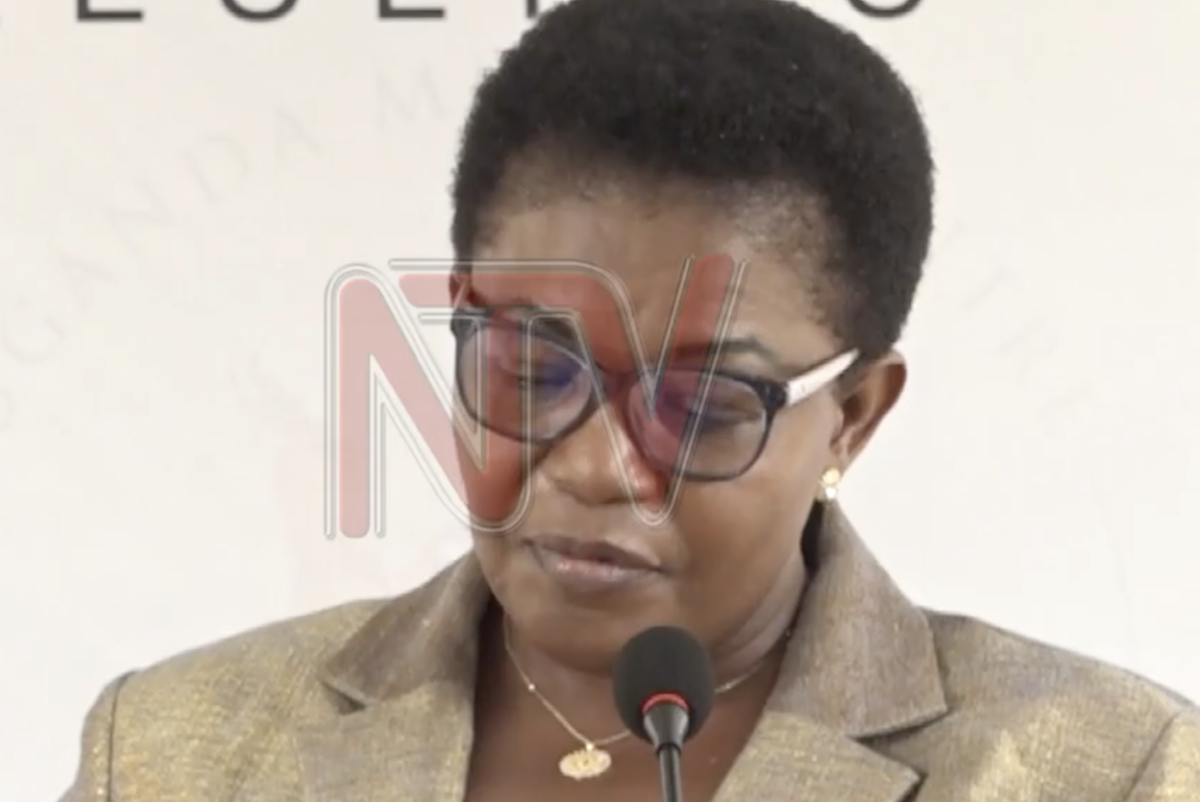
The oncology centre announcement was not the only item of note from the Cabinet briefing. Information Minister Kasule Lumumba told journalists at the Uganda Media Centre that the government also has plans to distribute fertilisers to coffee farmers across the country as part of an effort to lift agricultural production. Coffee remains Uganda’s most important export crop, and the move suggests the government is trying to balance investments across health and economic productivity simultaneously.
That dual focus, caring for sick citizens while growing the economy that funds public services, reflects a government aware that both fronts matter. A healthier workforce is, after all, a more productive one.
The Bigger Picture for Uganda’s Health System
Cancer is a disease that tends to expose inequality with ruthless efficiency. Wealthy patients in Kampala can sometimes access private oncology services or travel abroad for treatment. Rural and lower-income Ugandans cannot. The gap between those two realities is enormous, and closing it requires exactly the kind of investment Cabinet has now approved.
Uganda is not alone in confronting this challenge. Across Africa, cancer incidence is rising as populations grow, age, and face the combined pressures of changing diets, infectious diseases like HPV and hepatitis B that drive certain cancers, and limited screening programmes. The African continent accounts for roughly 5.7% of global cancer deaths while having far less than 5.7% of the world’s oncology resources. Regional centres like the one planned for Mbarara are a crucial part of changing that equation, one facility at a time.
The Cabinet’s approval is a meaningful first step. Now comes the harder part: turning a signed loan agreement into a functioning, world-standard cancer hospital that actually reaches the patients who need it most. Uganda’s 36,000 annual cancer patients are not waiting for perfection. They are waiting for access. Will the government deliver it?