





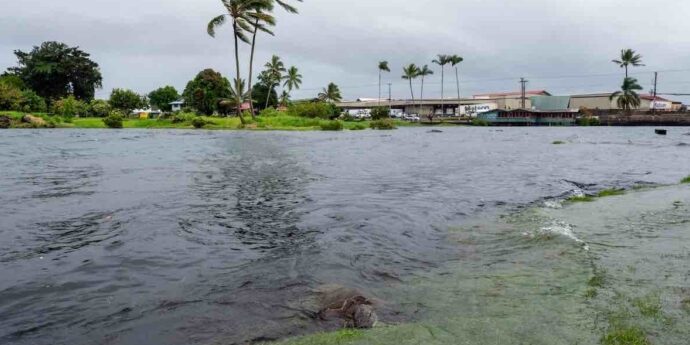
Hawaii is staring down a second major weather event in a matter of days. Tropical Storm Moke is advancing westward toward the southern end of the Hawaiian island chain, with the National Weather Service warning that heavy rainfall and powerful winds are expected to arrive Saturday evening. The timing could not be worse. The islands are still processing the destruction left behind by Hurricane Lala, and emergency managers know that saturated ground, compromised infrastructure, and exhausted communities make this second hit far more dangerous than it might otherwise be.
A One-Two Punch That Forecasters Feared
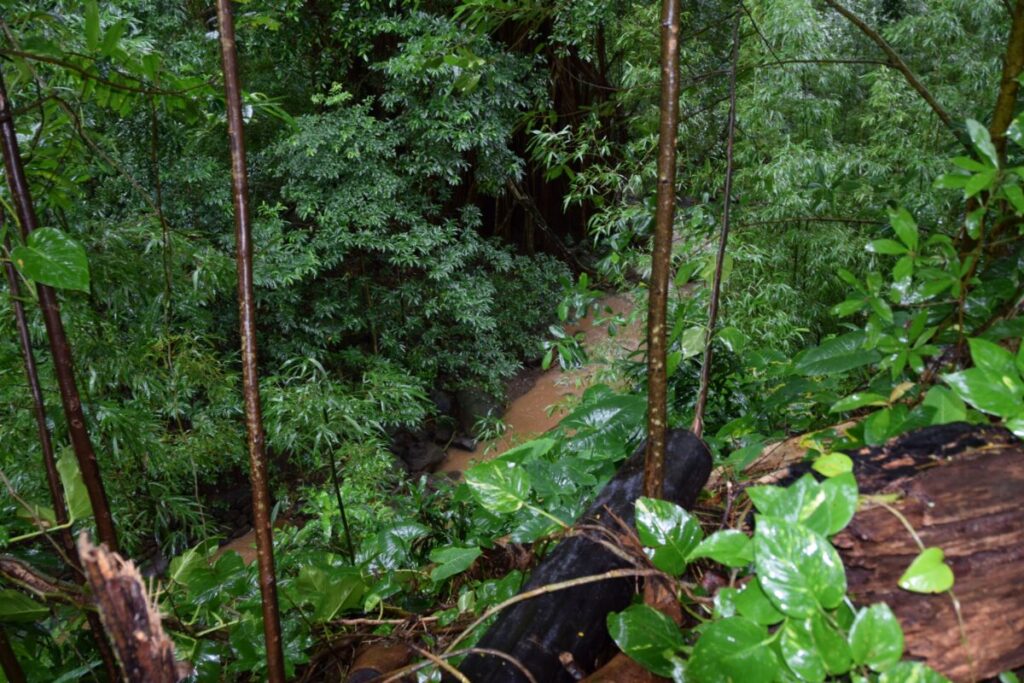
Back-to-back tropical systems hitting the same region within days of each other is the kind of scenario that meteorologists dread. Each storm compounds the damage of the last. Soil that has already absorbed enormous amounts of rainfall cannot hold much more, which is why the National Weather Service has issued specific warnings about flooding and mudslides, with particular concern for areas that bore the brunt of Hurricane Lala’s fury.
Mudslides are among the most unpredictable and lethal consequences of this kind of rapid-onset saturation. Unlike floodwaters that rise gradually, a mudslide can move faster than people can react. On hillsides that were already weakened by Lala’s winds and rain, Moke does not need to be a monster storm to trigger serious, life-threatening slides. Even modest additional rainfall on compromised terrain can set off a cascade of earth and debris that levels structures and cuts off roads within minutes.
Moke’s Strength and Track
As of the latest forecasts, Tropical Storm Moke is gathering strength as it pushes westward across the central Pacific. Tropical storms are not hurricanes, but the distinction matters less when a region has already been softened up by a major hurricane. The compounding effect of back-to-back systems is something Hawaii’s emergency management officials and residents understand all too well, having seen similar patterns in previous years across various Pacific and Atlantic storm seasons.
The southern portions of the Hawaiian islands are currently in the direct line of the storm’s projected path. Forecasters predict the heaviest rainfall and strongest wind gusts will arrive Saturday evening, giving residents a narrow window to prepare, reinforce whatever they can, and move to higher ground if they are in vulnerable zones.
Why Already-Affected Areas Face Greater Risk
The communities hit hardest by Hurricane Lala face a particularly grim calculus right now. Drainage systems that may have been damaged or blocked by debris from Lala will struggle to handle Moke’s rainfall. Roads that were undercut or cracked by the previous storm become more unstable with every additional inch of rain. Homes with compromised roofs or foundations are sitting targets for another round of wind-driven water.
This is the cruel arithmetic of sequential storms. The second event does not need to match the first in raw power to exceed it in destruction. It only needs to arrive before recovery has had a real chance to begin, which is exactly what is happening now in Hawaii.
What Residents Should Be Doing Right Now
Emergency officials are urging residents to take the incoming storm seriously regardless of Moke’s official classification as a tropical storm rather than a hurricane. Key priorities include securing any loose debris left from Lala’s damage, since those materials become dangerous projectiles in high winds. Anyone living near slopes, ravines, or low-lying coastal areas should review evacuation routes and be prepared to move quickly if conditions deteriorate.
Freshwater supplies, medications, and important documents should already be set aside following Lala, but this is the moment to double-check those preparations. Power outages are a near certainty in the hardest-hit zones, and with infrastructure still in recovery mode from the first storm, restoration timelines could stretch longer than they would under normal circumstances.
The Broader Pattern Worth Watching
Hawaii does not sit in a traditional hurricane belt the way the Gulf of Mexico or the Caribbean does, which is part of why consecutive storms of this nature are drawing attention beyond just the immediate emergency response. The central Pacific has seen shifting patterns in tropical storm activity over recent years, and while attributing any single event to broader climate trends requires caution, the frequency and intensity of storms affecting Hawaii is a conversation that goes well beyond the current emergency.
For now, though, the focus is squarely on the hours ahead. Moke is coming, the ground is wet, and the islands are tired. The question of how well communities, infrastructure, and emergency systems hold up against a second consecutive hit will say a great deal about where gaps in preparedness and recovery planning still exist.
As Tropical Storm Moke closes in on a Hawaii still nursing its wounds from Hurricane Lala, one question looms larger than the storm itself: when two major weather events strike the same region within days of each other, are Hawaii’s emergency systems truly built to handle back-to-back disasters, or is this the moment that exposes just how fragile that safety net really is? Leave your thoughts below and share this with anyone who has family or friends in Hawaii right now.