

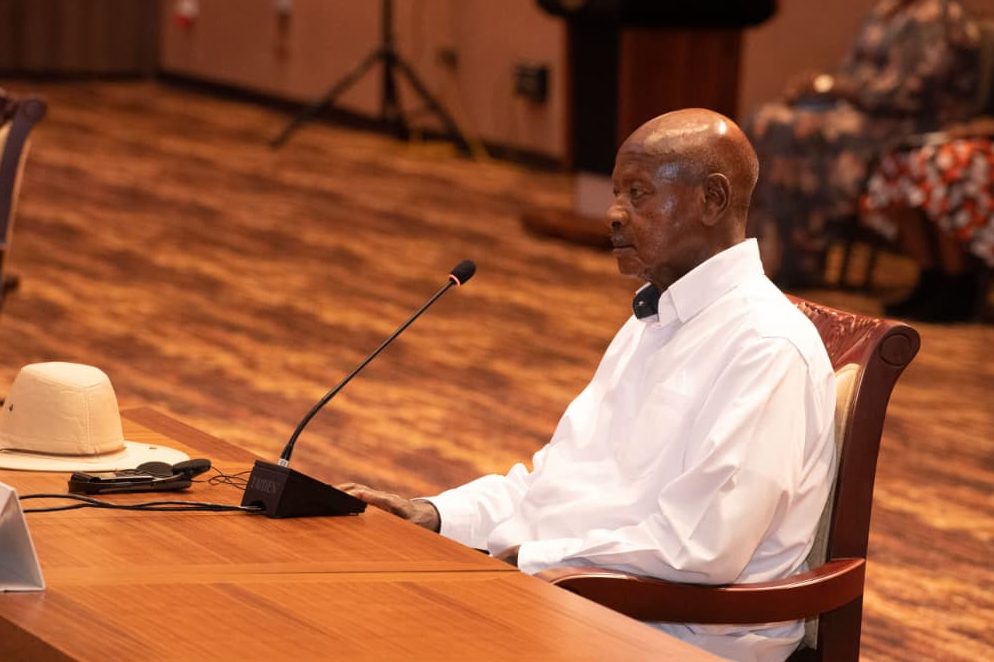




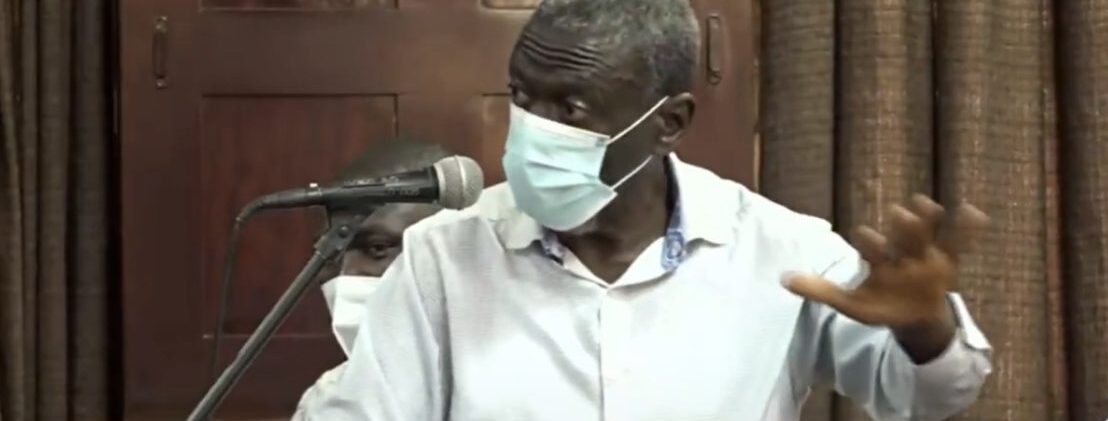
A formal psychiatric evaluation of jailed Ugandan opposition figure Dr. Kizza Besigye, conducted at Luzira Staff Hospital on August 16, has concluded that while the 70-year-old retains the mental capacity to understand information presented to him, his current inability to speak or write could seriously undermine his ability to mount a meaningful defence in the ongoing treason proceedings against him. The findings, now a matter of official record, add a sharp new layer of tension to a trial that has already drawn considerable scrutiny.
What the Doctors Found
The assessment was carried out by Dr. Nalugya Joyce Sserunjogi, a senior consultant psychiatrist, and Dr. Julius Muron, a consultant forensic psychiatrist, after the Commissioner General of Prisons made a referral for the evaluation. Given that Besigye could neither speak nor write at the time of the examination, the two specialists relied on direct observation, prison staff accounts, a review of existing medical records, and an improvised communication method where Besigye pointed to letters and numbers on a sheet of paper to provide answers.
Their conclusion was clinically precise but practically alarming. According to the psychiatric assessment report, Besigye demonstrates preserved comprehension but carries what the doctors describe as an expressive communication impairment affecting both speech and writing. In plain terms, the man on trial for treason can hear and understand the charges against him but currently has no functional way to communicate his response, instruct his legal team in real time, or address the court directly.
The report adds that this impairment “may substantially interfere with his ability to participate in his defence,” and that further medical intervention may be required before he can take any meaningful part in proceedings.
A Collapse That Changed Everything
The origins of Besigye’s condition trace back to July 29, when he suffered a syncopal episode, a sudden, temporary loss of consciousness commonly known as fainting, while inside the courtroom dock. The collapse happened as he was reportedly protesting the continuation of his trial amid an unresolved dispute over his legal representation. He has not been able to speak or write since.
The timing and circumstances surrounding that episode matter. Besigye did not fall ill quietly in a prison cell. He lost consciousness in full view of the court, in the middle of active proceedings, while raising objections. That context colours every subsequent legal decision made in his absence.
The Trial Goes On, With or Without Him
High Court Judge Emmanuel Baguma has already ruled that the treason trial will continue despite Besigye’s absence on medical grounds. Prosecution witness Wilson Orlando, also referred to in court documents as Andrew Wilson Orlando, has been allowed to give testimony against Besigye while the accused remains hospitalised and unable to respond. His co-accused in the case are Hajj Obeid Lutale and Capt. Denis Oola, both facing treason-related charges alongside him.
The decision to press ahead has ignited a broader conversation about what fair trial rights actually look like in practice. Most legal systems enshrine the right of an accused person to hear evidence against them, to instruct their legal team, and to participate in their own defence. When the accused can hear but cannot communicate, where exactly does that right begin and end?
A Question of Legal Principle
The psychiatric report does not declare Besigye mentally unfit to stand trial in the traditional sense. He understands what is happening around him. That distinction is legally significant, because unfitness to plead typically requires a finding that the accused cannot follow proceedings or instruct counsel at all. Besigye’s situation is different: he follows proceedings but is physically incapable of expressing himself through the conventional channels a defence requires.
This is the kind of grey area that keeps legal scholars up at night. The court is not dealing with a defendant who is absent by choice or one who is mentally unaware. It is dealing with a man who is present in comprehension but absent in voice, and who, according to his own doctors, needs further treatment before that gap can be bridged.
What Happens Next
The psychiatric report stops short of prescribing a specific course of action for the court. It recommends further medical intervention but does not specify what that intervention should be or offer a timeline for recovery. That ambiguity leaves Judge Baguma in a difficult position, balancing the prosecution’s interest in moving the case forward against the defence’s argument that continuing without a communicative defendant undermines the integrity of the entire process.
For a trial already carrying significant political weight, the medical dimension has added a layer of complexity that cannot be easily dismissed. Besigye has been one of Uganda’s most prominent opposition voices for decades, and his imprisonment and prosecution have attracted sustained attention from human rights observers, journalists, and legal practitioners across the region.
The broader question sitting beneath all of this is one that goes beyond any single courtroom. When the state prosecutes a citizen, and that citizen loses the physical ability to speak in their own defence through no act of their own, what does justice actually require? The doctors have diagnosed the impairment. The court must now reckon with what it means.
As proceedings continue and Besigye remains unable to communicate beyond pointing to letters on a page, one question deserves a direct answer from those overseeing this trial: at what point does continuing without a defendant who can genuinely participate cross the line from legal procedure into something far harder to defend?