





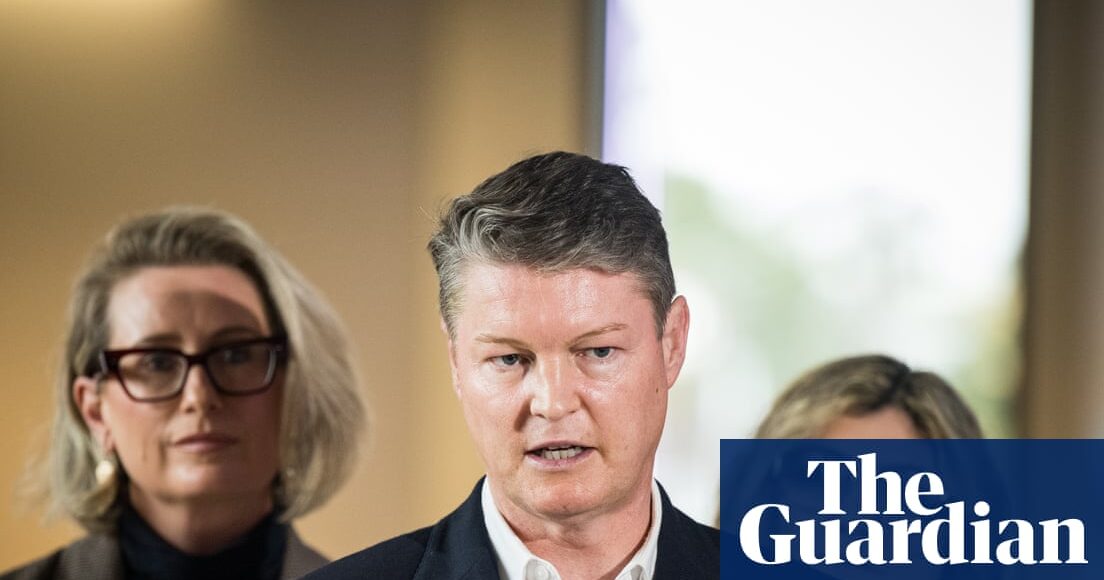
Victoria’s Premier Ben Carroll has announced what could be the most talked-about health policy of the 2026 state election cycle: a promise to deliver genuinely free dental care to every Victorian through a network of walk-in public clinics, no Medicare card shuffle, no gap fees, no waiting room anxiety about what the bill might look like afterward.
The announcement, made at a Labor rally on Saturday, marks the party’s first major election commitment heading into the November poll. With fewer than 100 days until Victorians cast their votes, Labor is clearly betting that dental health, long treated as a luxury by Australia’s public health system, is the kind of kitchen-table issue that wins governments another term.
What the Policy Actually Promises
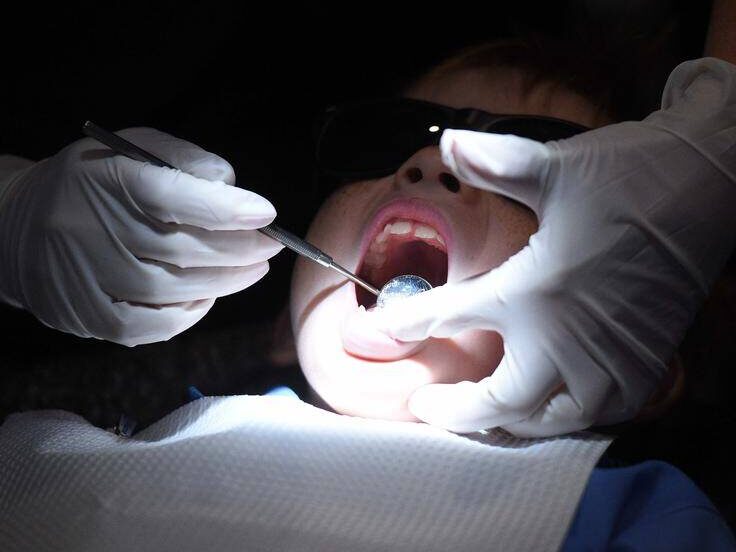
The plan, as outlined by Premier Carroll, would see $230 million directed toward the construction and operation of 10 public dental clinics across Victoria. The clinics would function on a walk-in basis, meaning no appointment is needed. Victorians could, in theory, duck in for a checkup or treatment the same way they visit a GP after hours. Checkups and treatment would both be covered, removing the financial barrier that stops millions of Australians from ever sitting in a dentist’s chair.
According to reporting by The Guardian, Carroll described this as an Australian-first proposal, and that framing is accurate in an important way. No other state government in the country has committed to universal, free, walk-in dental care at this scale through a public clinic model. It places Victoria in genuinely uncharted territory among Australian states.
Why Dental Care Is Such a Big Deal
To understand why this announcement landed with such force, you need to appreciate just how broken dental access has been in Australia for decades. Unlike visits to a GP or a stay in a public hospital, routine dental work sits almost entirely outside the Medicare safety net. Private health insurance helps those who have it, but even then, annual limits, waiting periods, and item-number restrictions mean Australians regularly skip fillings, extractions, and root canal work because they simply cannot afford it.
The consequences are not merely cosmetic. Untreated tooth decay leads to infections. Infections lead to hospitalisations. There is a well-documented and uncomfortable link between poor oral health and broader systemic conditions including heart disease and diabetes. Public health researchers have pointed to dental exclusion from Medicare as one of the most glaring gaps in Australia’s otherwise admired universal health system.
For low-income earners, pensioners, and casual workers without private cover, a single dental emergency can cost anywhere between $300 and several thousand dollars. The result is a population that quietly suffers through pain, avoids smiling in photographs, and racks up avoidable emergency hospital bills.
The Political Calculation Behind the Timing
Labor did not pick this policy at random, and the timing of the Saturday rally was deliberate. Announcing a headline-grabbing health commitment when the election clock ticks below 100 days is a classic opener, designed to set the conversation on Labor’s terms before the opposition can build any real momentum.
Carroll’s government is aware that cost-of-living pressure has not eased for most Victorian households. Groceries, rent, and energy bills have consumed the political conversation for the better part of two years. Free dental care slots neatly into that narrative: here is something tangible, something you can walk through the door and use, without reaching for your wallet.
Whether the opposition challenges the policy on cost grounds or attempts to match it with a competing offer will define much of the campaign’s health debate in the weeks ahead.
What Ten Clinics Can Realistically Deliver
The obvious question, and one that health policy analysts will spend the next several weeks wrestling with, is whether 10 clinics can actually serve a state of Victoria’s size. The state is home to more than 6.5 million people. Geographically, it spans metropolitan Melbourne, sprawling inner and outer suburbs, and regional communities that already deal with chronic shortages of healthcare professionals.
Ten walk-in clinics sounds like a start, not a finish line. The workforce challenge alone is significant. Australia has a well-documented shortage of dentists willing to work in public sector or regional settings, where salaries and conditions rarely match private practice. Whether $230 million is sufficient to staff, equip, and sustain 10 clinics at a meaningful level of throughput is a legitimate question that Carroll’s government will need to answer clearly before polling day.
Location decisions will also matter enormously. If the clinics cluster in inner Melbourne, they serve a population that already has reasonably good access to private dentistry. The real impact comes if they land in outer suburbs, regional centres, and communities with the highest rates of untreated dental disease.
A Signal of Things to Come
This announcement is explicitly billed as Labor’s first major election commitment, which means there is more to come. Framing dental care as the opener suggests the party believes health policy, broadly defined, is its strongest ground heading into November. Expect the weeks ahead to bring additional commitments around hospitals, mental health, or aged care as Labor tries to build a coherent narrative around public services rather than infrastructure megaprojects alone.
For Victorians watching closely, the question is not just whether free dental care is a good idea, because few would argue that access to oral healthcare is somehow undesirable. The real question is whether a government returned to power would actually deliver on the promise, and whether 10 clinics would be the beginning of something genuinely transformative or a well-intentioned policy that runs into the realities of workforce shortages and bureaucratic constraints.
Either way, Carroll has placed dental health at the centre of the Victorian election conversation. The last time a government of any stripe made dentistry feel this politically urgent in Australia, it was a federal debate about adding it to Medicare. Victoria may end up doing what Canberra has so far refused to attempt at scale. That, at minimum, deserves serious attention.
If you live in Victoria, ask yourself: when did you last see a dentist, and why? If cost or access was the reason you stayed away, this policy was written with you in mind. Share your thoughts below on whether free walk-in dental clinics would change how your family approaches oral healthcare.