




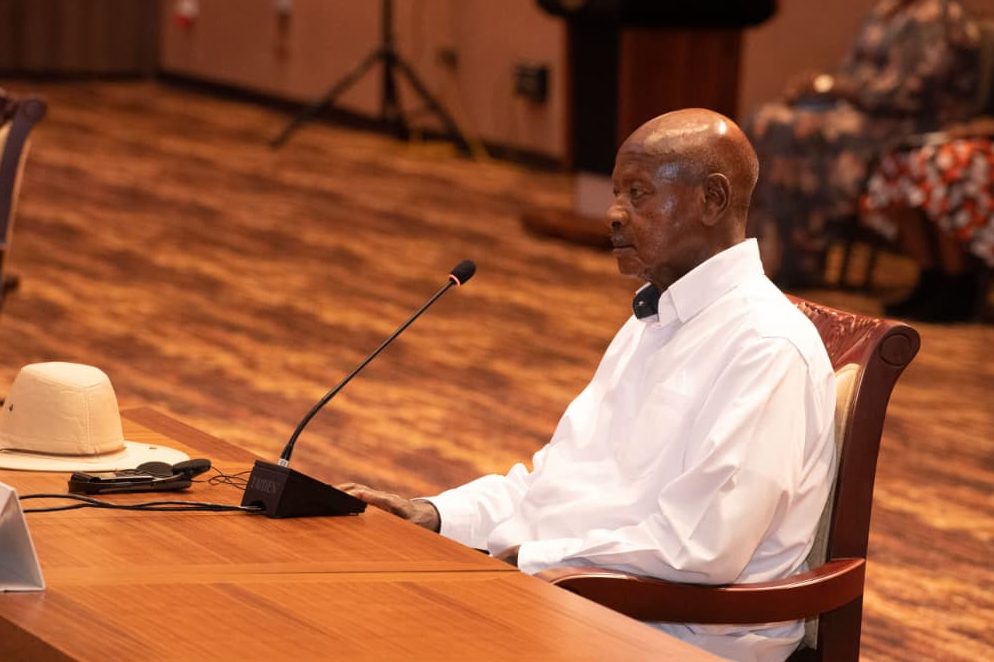





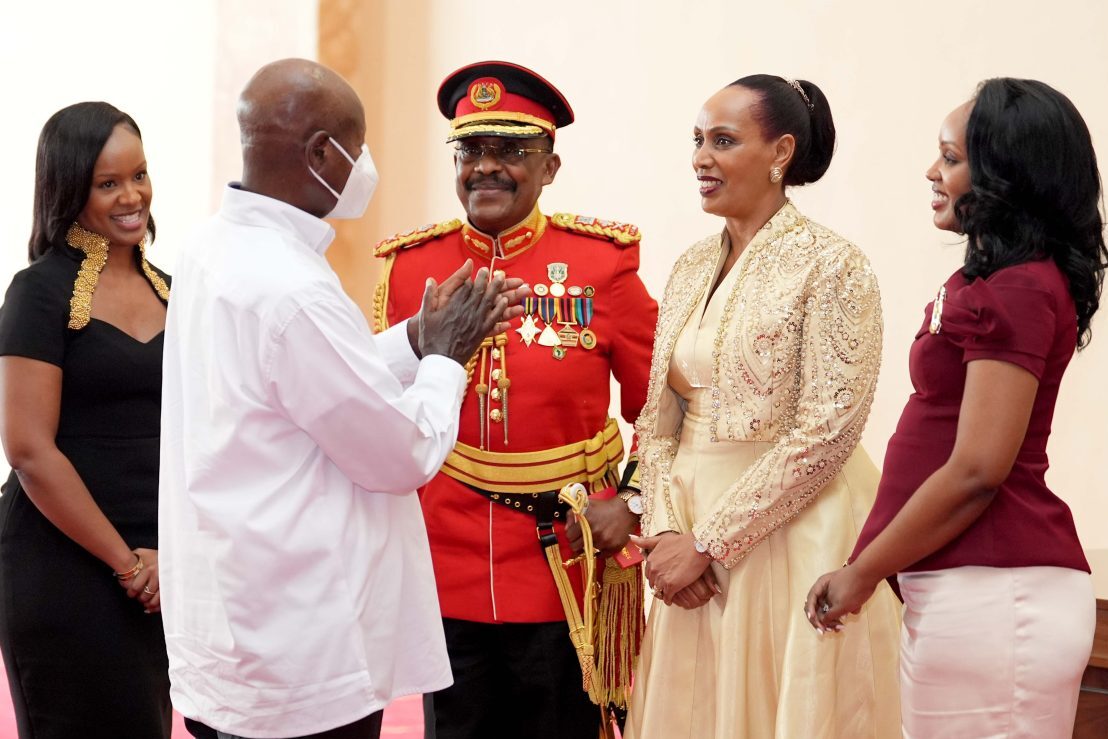
Nineteen senior Uganda People’s Defence Forces generals swapped their ranks for retirement last Friday at State House, Entebbe, in a ceremony presided over by President Yoweri Kaguta Museveni. The Commander-in-Chief used the occasion not just to mark the end of long and distinguished careers but to offer the kind of candid financial counsel that rarely makes it into military training manuals.

A Salute and a Spreadsheet
The atmosphere at State House carried the weight of decades of collective service. Museveni opened his address with genuine appreciation, crediting the retiring officers for upholding the core values of the UPDF throughout their years in uniform, values he listed as discipline, patriotism, integrity and commitment to duty. “The UPDF and NRM have been able to build security,” he said, framing the generals’ contribution within a broader national narrative of stability.
But Museveni, long known for mixing ideology with pragmatism, quickly shifted from ceremony to strategy. The generals had spent careers navigating complex terrain. Now they faced a different kind of battlefield: personal finance after a military salary stops.
The Treasury Bond Pitch
Museveni’s first piece of financial wisdom was pointed and specific. He urged the retirees to consider placing their savings in treasury bonds rather than rushing headlong into ventures that demand heavy capital and hands-on management. His arithmetic was disarmingly simple. “If you can put Shs600 million and you are getting 15 percent, by the end of the year that is Shs90 million profit,” he told the assembled generals, according to reporting by Chimp Reports.
The logic is hard to argue with. Treasury bonds, backed by the government, offer a predictable, low-risk return that requires virtually no active involvement. For men and women accustomed to structured routines and clear chains of command, a passive income stream that runs itself holds obvious appeal. Museveni was essentially telling his generals: let your money do its own patrol duty.
His broader caution was equally clear. He warned against the common post-retirement trap of sinking large sums into high-risk ventures before fully understanding the terrain. “What will be safer is simply to put the money where it will earn interest,” he said, with the kind of bluntness that cuts through the noise.
Goats, Fish and Rental Houses
Then came the part of the speech that no one saw coming. Museveni, a farmer by personal conviction and a lifelong advocate for agricultural enterprise, turned the conversation toward livestock. Goat rearing, he suggested, deserves serious consideration from any retiring officer who already owns land.
His reasoning was grounded in practical economics. Goats reproduce at a relatively fast rate, they find ready buyers in Uganda’s markets, and they do not depend on expensive artificial feeds the way some livestock do. “You can rear goats. Can you fail to get buyers? They don’t need artificial feeds. You can have them on a small scale, something simple, safe and sustainable,” he said. For a general with a few acres and a pension, that is not a bad starting portfolio.
Beyond goats, Museveni pointed toward fish farming and rental housing as worthy options for generals willing to be a little more hands-on. His overall framework was consistent throughout: start with fixed accounts or bonds to generate steady income, then use those returns to fund more active projects rather than gambling the full principal on a single venture.
Why This Advice Matters Beyond the Barracks
It would be easy to treat this as a quirky presidential aside, a general telling other generals to buy goats. But there is a deeper story here about post-service financial vulnerability that cuts across professions and borders. Military officers around the world retire with impressive titles, decades of leadership experience and often very little preparation for managing personal wealth outside a structured salary system.
Uganda is not unique in this regard. The challenge of translating service into sustainable civilian financial health is a global one. Museveni’s advice, whether one agrees with his politics or not, reflects a genuine awareness of that transition gap. Treasury bonds are not glamorous. Goats are decidedly unglamorous. But both represent grounded, low-volatility paths for people stepping out of a system that previously managed most of their material needs.
The Generals’ Next Mission
For the nineteen officers who received their certificates at Entebbe, the years ahead represent a genuinely new kind of challenge. No rank, no command structure, no operational orders. Just capital to manage, land to work and decisions that answer to no one but themselves and their families.
Museveni’s parting guidance amounted to a simple philosophy: be patient with money, let it work quietly in safe places before chasing larger returns, and do not be too proud for a small, sustainable business. It is advice that applies well beyond the ranks of the UPDF.
As Uganda’s military establishment continues to evolve and a new generation moves up through the ranks, the question worth sitting with is this: how well does any institution, military or civilian, prepare its people for the financial realities that come after the uniform comes off?