




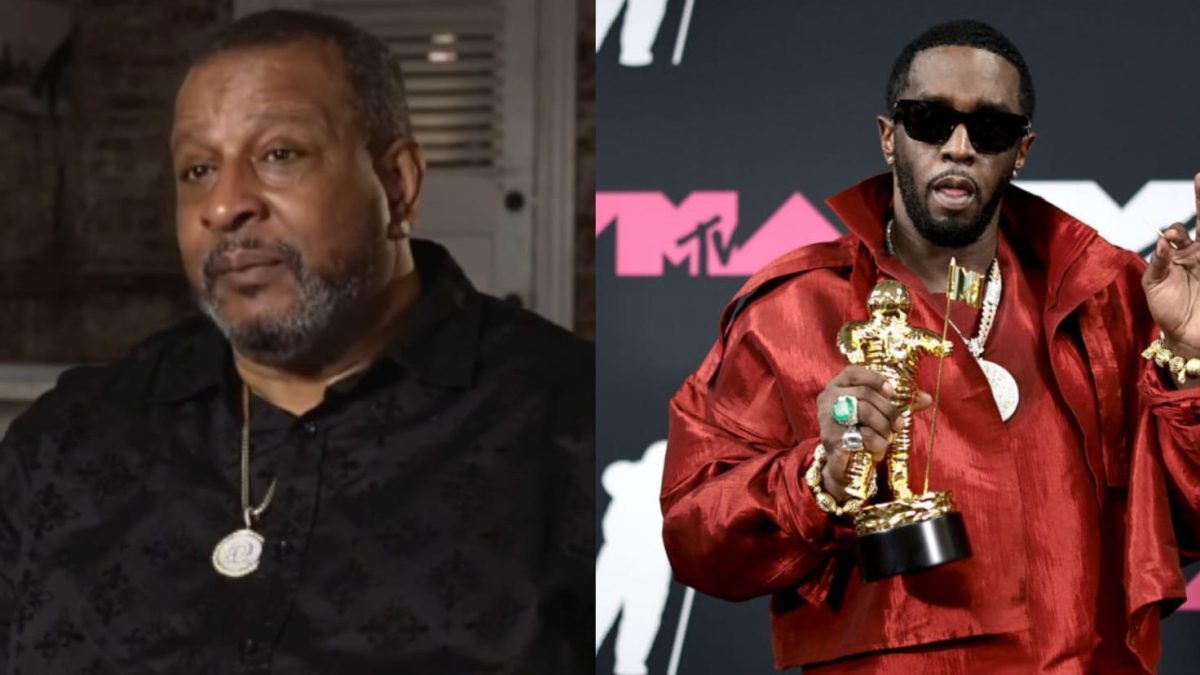
Ugandan rapper Edwin Ruyonga has revealed that he once stood on the edge of a career-altering deal with Bad Boy Records, the iconic American label built by Sean “Diddy” Combs, only for the opportunity to collapse the moment his Christian faith entered the conversation.
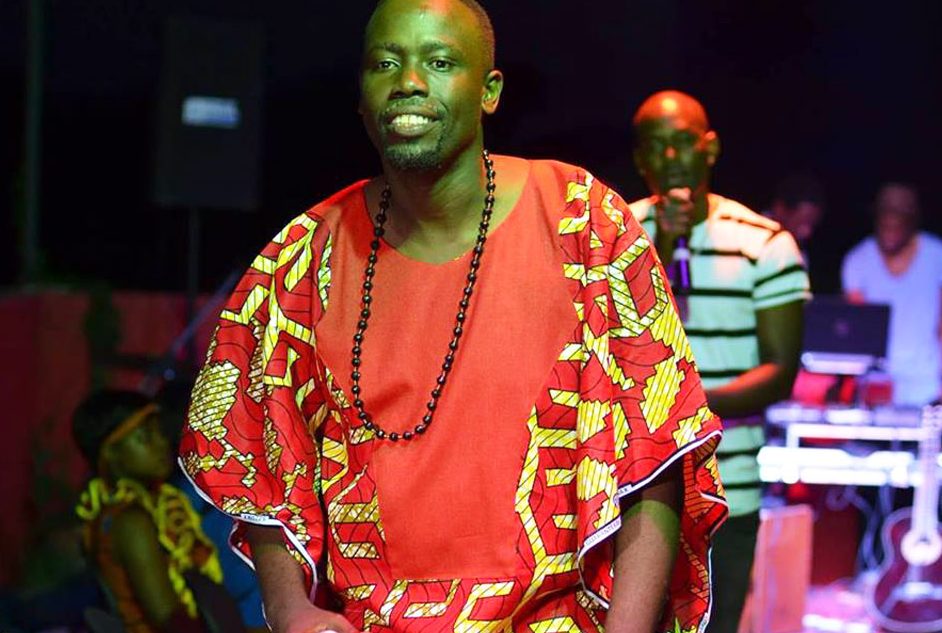
The story, which Ruyonga shared publicly in August 2026, offers a rare and striking look at the invisible walls that religious identity can create inside the global music industry, an industry that sells freedom and self-expression to the world while quietly drawing its own lines in the boardroom.
The Call That Almost Changed Everything
According to Ruyonga, the initial contact came through a person identified as Cedric, a representative with ties to Bad Boy Records. The outreach wasn’t casual. It was purposeful, with the label’s affiliates expressing genuine interest in bringing the Kampala-born artist into a major project. For any rapper operating outside the American music machine, that kind of phone call carries enormous weight. Bad Boy Records isn’t just a label. It is a chapter of hip-hop history, responsible for shaping the careers of artists like The Notorious B.I.G., Mase, and Faith Evans, and for defining the sound of 1990s East Coast rap.
Talks progressed far enough that a contract was placed in front of Ruyonga for his review. That alone separates this story from the thousands of “almost” music deals that float around the industry and never get close to paperwork. This one did.
Where the Deal Fell Apart
The turning point arrived when one of the representatives from the label’s side discovered that Ruyonga’s music was openly and unapologetically rooted in Christian faith. His lyrics weren’t lightly spiritual or vaguely inspirational in the way that mainstream pop often appropriates religious language. They were direct expressions of his beliefs, the kind of content that places him firmly in the Christian rap genre rather than in the secular commercial space that Bad Boy has always occupied.
That discovery, according to Ruyonga, is what ended the conversation. The opportunity dissolved not because of his talent, not because of commercial viability, but because of what his music actually said. As Ruyonga recounted in the interview, even after returning from initial discussions, there was still some interest from their side, which suggests the door wasn’t slammed immediately. But ultimately, the faith element proved to be the uncrossable line.
What This Moment Reveals About the Music Industry
The music business has always had an uneasy relationship with overt religious expression, particularly in hip-hop. The genre has long had space for rappers who reference God in passing, who thank Jesus in award speeches, or who use spiritual imagery for dramatic effect. What it has historically been far less comfortable with is artists who make faith the core of their artistic identity rather than a stylistic accessory.
Christian rap as a genre has grown significantly over the past two decades. Artists like Lecrae have managed to cross over into mainstream recognition while keeping their faith front and centre, winning Grammy Awards and charting on Billboard. But the crossover path remains narrow and full of negotiation. For every Lecrae, there are dozens of artists who faced exactly the kind of wall Ruyonga described: industry doors that open, then close, the moment belief becomes undeniable.
Ruyonga’s experience also lands against a very specific backdrop. Bad Boy Records and its founder Sean Combs have faced a dramatically changed public profile in recent years, with Combs becoming the subject of serious legal scrutiny. The label that once symbolised untouchable commercial power now carries a far more complicated legacy. In that context, Ruyonga’s near-miss reads differently than it might have a decade ago. What once looked like a missed opportunity may now look, to some, like a fortunate escape.
Edwin Ruyonga and the Long Game of Staying True
For Ruyonga, the story isn’t one of bitterness. The way he tells it, the near-miss sits as a significant moment in a career built on deliberate choices. He has continued to make music on his own terms, with his faith intact and his artistic voice uncompromised. That kind of consistency is rare in an industry that specialises in reshaping artists into more commercially palatable versions of themselves.
Uganda’s music scene has produced artists who have navigated the tension between local identity and international ambition in different ways. Some have leaned into Afrobeats and international collaboration to reach wider audiences. Others have stayed rooted in their home market. Ruyonga represents a third path: a global genre (hip-hop) filtered through a specific and non-negotiable personal conviction, offered to the world on those terms or not at all.
That is not a small thing. The music industry’s ability to bend artists toward commercial expectation is well-documented and well-practised. Holding a line, especially when a major label contract is sitting on the table, requires a clarity of purpose that most people in any profession rarely face.
A Question Worth Sitting With
Ruyonga’s story is ultimately a story about identity under pressure. It asks a question that extends well beyond music: when an opportunity requires you to soften, hide, or apologise for who you are, is it still really an opportunity?
The answer will be different for every artist. But the fact that Ruyonga is still making music, still talking about his faith, and still drawing attention years after this near-miss suggests he made a choice he can live with.
What do you think: should artists ever compromise their core beliefs for a shot at global recognition, or is that the moment they lose the very thing that made them worth signing in the first place? Leave your take in the comments.