








Uganda is at the centre of one of the most ambitious and contentious urban planning conversations on the African continent right now. The government has floated a proposal to gradually shift the country’s capital from Kampala to Nakasongola, and the idea has split opinion sharply between those who see a city choking on its own growth and those who believe the answer is investment, not relocation.
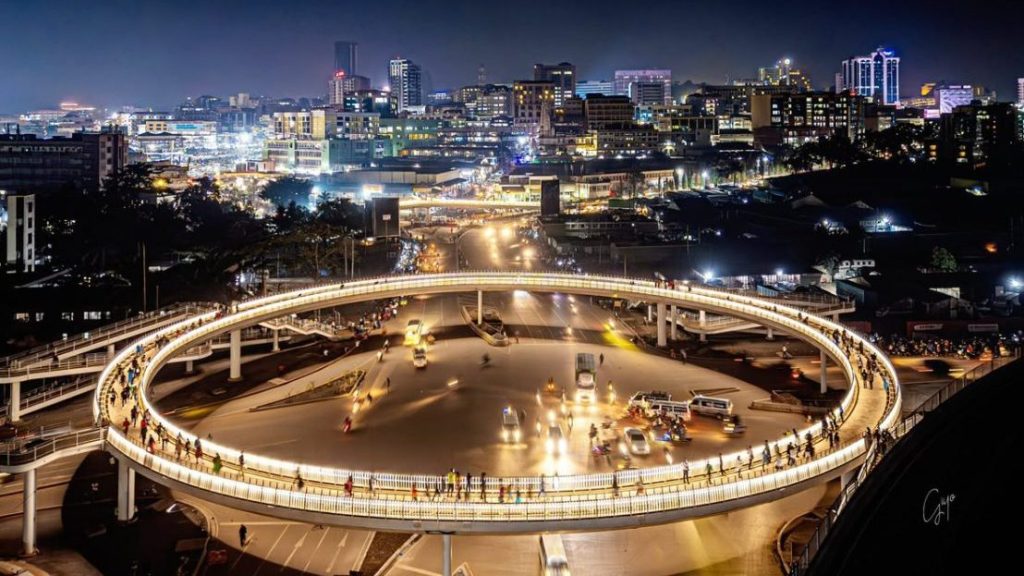
A City at Breaking Point
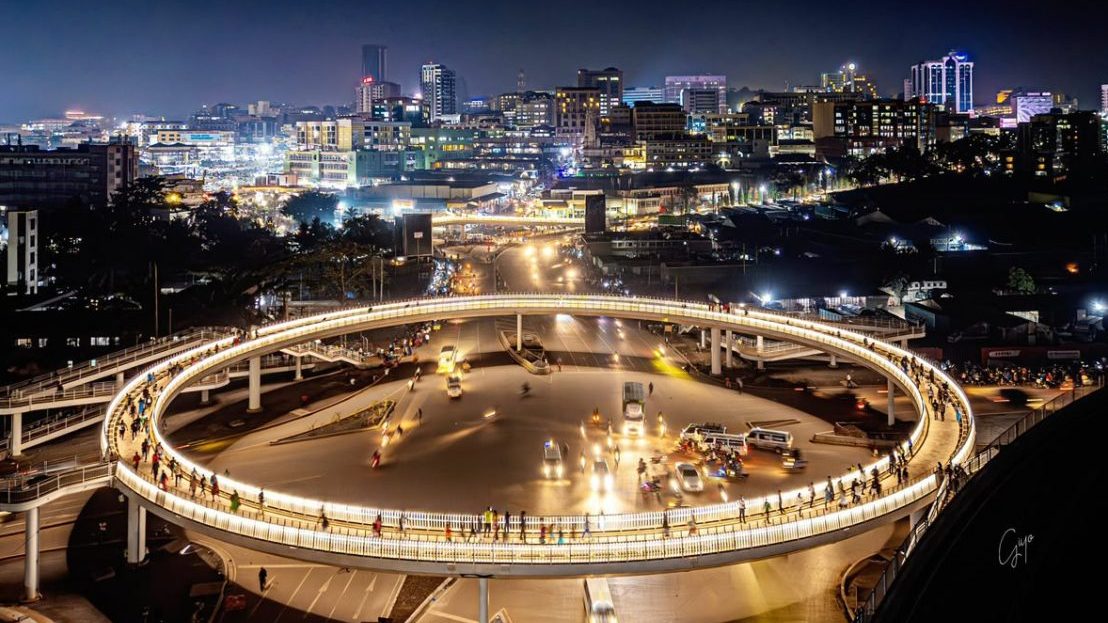
State Minister for Urban Development Margaret Muhanga made the case to Parliament’s Lands and Housing Committee with a bluntness that turned heads. Her argument was not wrapped in diplomatic softness. She called Kampala “unlivable, unchangeable, and untenable,” and backed that assessment with a figure that stings: traffic congestion alone costs Uganda an estimated $1.6 billion every year.
Think about what that number represents. It is not just abstract economic data. It translates into commuters waking at 4 a.m. to arrive at their desks by 8 a.m., productivity swallowed by gridlock, and a city that has grown far beyond the infrastructure built to support it. Muhanga’s frustration in that parliamentary session felt less like a policy briefing and more like someone who has sat in one too many Kampala traffic jams and finally snapped.
She told MPs that President Yoweri Museveni supports a phased relocation of government ministries, departments, and agencies to Nakasongola, with the process potentially running through 2040. The approach would be gradual, with selected institutions moving first as authorities attempt to ease the pressure on an overcrowded capital.
Why Nakasongola and Not Mbarara, Fort Portal or Gulu?
The choice of Nakasongola over Uganda’s more established regional cities is deliberate. Muhanga explained that Nakasongola sits in a more central geographic position, has a low population density, and offers large tracts of available land. The logic mirrors what other countries have done when they chose to build planned administrative capitals rather than retrofit existing cities.
Think of Abuja replacing Lagos in Nigeria, or Dodoma’s long, slow ascent as Tanzania’s official capital. The idea of building a government city from scratch gives planners a blank canvas, free from the legacy infrastructure problems and organic chaos that make cities like Kampala so difficult to rewire. Established regional hubs like Mbarara, Fort Portal, and Gulu carry their own population pressures and land constraints, which is precisely why Nakasongola, with its open space and central location, landed at the top of the list.
The Mayor’s Rebuttal
Kampala Mayor Ronald Balimwezo disagrees with the direction entirely. As reported by Chimpreports, Balimwezo’s position is that relocating the capital is too consequential a step to pursue without wide public consultation. His counter-argument is rooted in a different diagnosis of the problem: Kampala’s struggles are a product of underinvestment and poor urban planning, and those are things that can be fixed without abandoning the city altogether.
It is a reasonable position, and one that many urban planners would find familiar. Cities around the world have been written off as ungovernable before infrastructure upgrades and smart planning turned them around. Seoul, once notorious for congestion and poor air quality, invested heavily in transport networks and green spaces. Bogotá rebuilt itself from a city synonymous with chaos into a case study in urban renewal. The question is whether Kampala has the political will and financial capacity to do the same.
The Consultation Gap
Beyond the technical merits of either argument, Balimwezo raises something important: decisions of this scale need buy-in from the people they affect most. Moving government institutions is not a minor administrative shuffle. It reshapes property values, employment patterns, business ecosystems, and the daily rhythms of millions of people.
A phased relocation running to 2040 is a generation-long project. The Ugandans who would live through that transition deserve a genuine conversation about it, not a parliamentary committee announcement. That absence of broad public engagement is one of the most legitimate criticisms that can be levelled at how this proposal has been handled so far.
What Happens Next
For now, the proposal remains exactly that: a proposal. No formal legislation has been passed, and the political back-and-forth between national government and city leadership suggests that Nakasongola is not getting a new parliament building anytime soon. But the fact that this conversation is happening at all signals something real about the state of Kampala. The city’s growing pains are not a secret, and the pressure to do something about them is mounting.
Whether the answer is a bold relocation or a serious programme of urban investment, Uganda cannot afford to keep losing $1.6 billion a year to traffic. Congestion is not just an inconvenience. It is a structural economic drag on a country with serious development ambitions.
The debate between Mayor Balimwezo and Minister Muhanga is ultimately a debate about what kind of country Uganda wants to be, and how it plans to build the infrastructure to get there. Both sides are pointing at the same problem. They just disagree fundamentally on the cure.
So here is the question worth sitting with: when a city has grown so far beyond its original design that it costs the economy billions annually, is it wiser to rebuild what exists or dare to start over somewhere new?