






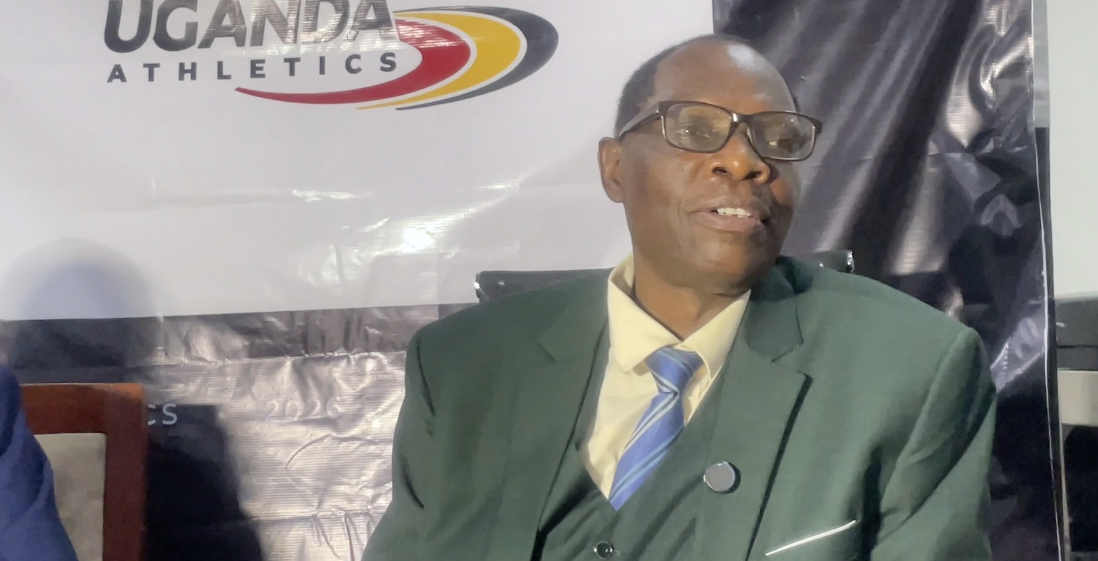
Two medals. One gold. One bronze. And still, the feeling in the Uganda Athletics camp is that there is unfinished business. That is the honest, forward-looking mood coming from Uganda Athletics President Dominic Otucet following the country’s performance at the World Athletics U20 Championships, where the young national team wrapped up their campaign in a joint 15th-place finish alongside Morocco.
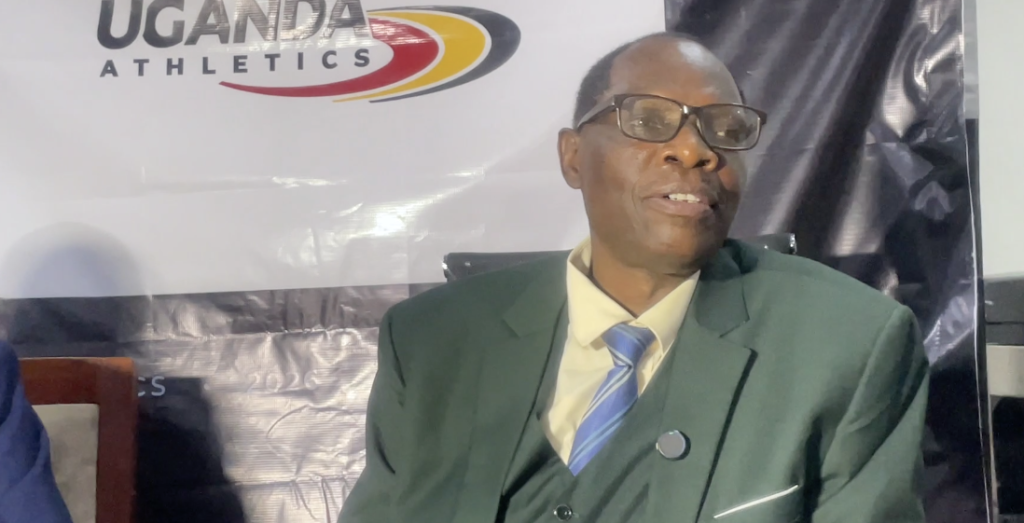
For many federations, two medals on the world stage, particularly one of them gold, would prompt a celebration and little else. Otucet, however, is not content to rest on what was achieved. According to reports, the Athletics Uganda president believes the team has room to grow, and that future editions of the championship should see Uganda sitting higher up the medal table.
Charity Cherop: The Name Behind the Numbers
Let’s not breeze past the achievement, though. Charity Cherop is the athlete who made Uganda’s medal haul possible, and her performance deserves proper recognition. Delivering both a gold and a bronze medal at a single World Championships is a rare kind of double, the sort of result that gets a young athlete’s name circled by coaches and scouts across the continent.
Uganda has a deep and proud tradition in middle and long-distance running, producing world-class talent across generations. Cherop’s performance adds her name to that lineage, not just as a medal winner, but as a potential cornerstone of Ugandan athletics for years to come. At the U20 level, she was not merely competing. She was dominating.
The question Otucet is now asking, and it is the right one, is whether a system can be built around athletes like Cherop to ensure that individual brilliance becomes collective success.
What a Joint 15th Place Finish Actually Means
Finishing joint 15th with Morocco tells you something useful. It tells you Uganda is competitive at the global youth level, but it also tells you the gap between the top ten and the rest of the field is something worth studying carefully. Morocco is no small name in African athletics, it has produced multiple world champions and Olympic finalists across the decades. To sit level with them on the medals table is a signal of genuine progress.
But Otucet’s point is clear: progress is not the destination. For a country with Uganda’s athletic pedigree, in cross country, road races, and track, finishing outside the top ten at a youth championship leaves room on the table.
The Infrastructure Question
Youth athletics development anywhere in the world comes down to a few consistent factors: coaching quality, access to training facilities, competition exposure, and nutritional support. Uganda has historically punched above its weight partly because of natural talent in the East African highlands and partly because of a culture of running that is baked into communities across the country.
But talent alone does not win world championships at the team level. What turns one Charity Cherop into ten is a structured, well-funded development pipeline. Otucet’s optimism about better performances in the future only holds weight if the federation can channel that optimism into investment, in coaches, in camps, in competitive opportunities that prepare young Ugandan athletes for the specific demands of a world championship environment.
The Comparison With Regional Rivals
East Africa remains the heartbeat of global distance running, and the competition within the region is fierce. Kenya and Ethiopia consistently dominate the upper half of world championship medal tables. For Uganda to move from joint 15th toward the top ten, the federation will need to not only develop more athletes like Cherop but also ensure they are peaking at the right moment during championships, a technical and logistical challenge as much as a physical one.
That is not a knock on Uganda’s program. It is simply the reality of competing in the most talent-dense distance running region on the planet.
A Platform to Build On
There is genuine reason for optimism. A gold medal at the World U20 Championships is not a routine outcome, it is a headline result that puts Uganda’s youth program in a positive spotlight. Otucet’s call for improvement is not a dismissal of what was achieved. It reads more like the mindset of a federation that knows exactly what it is capable of and refuses to settle for anything short of that ceiling.
The athletes who compete at the U20 level today are the senior squad members of the next decade. How Uganda Athletics nurtures, supports, and develops this current generation will determine whether the country is a consistent force at major championships or merely an occasional medal winner.
Cherop’s gold and bronze are a statement. Now the federation has to write the rest of the paragraph.
What do you think Uganda Athletics needs most right now to turn individual world-class talent into a medal-winning team machine, better coaching infrastructure, more international competition exposure, or something else entirely? Share your take below.