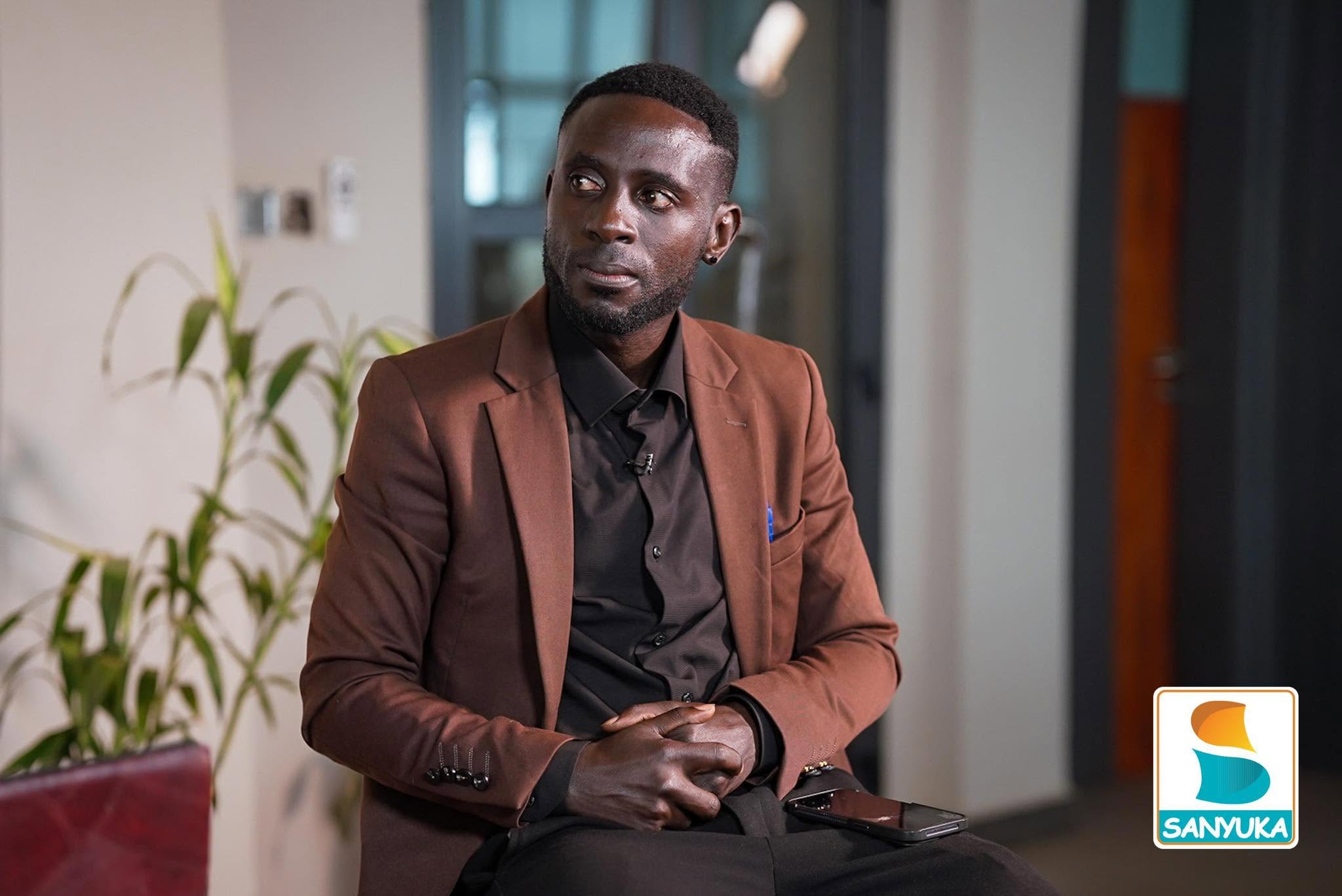
The medical team treating Brian ‘Macona’ Ssemanda has taken a firm step to shield the Sanyuka TV presenter from outside disruptions, temporarily barring members of the public from visiting him at his Kampala hospital as he works toward recovering from injuries sustained in a tragic car crash last week.
A Crash That Shook Next Media to Its Core
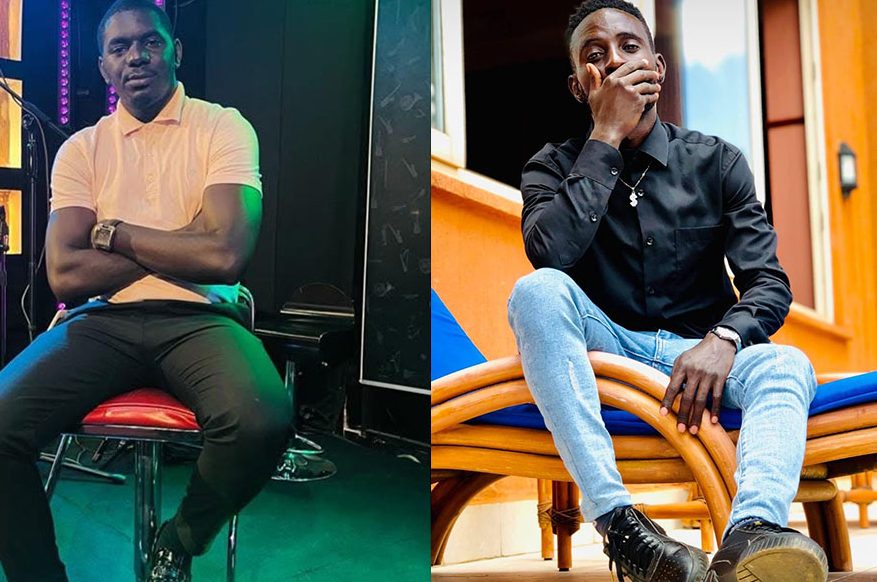
The accident happened on Friday, August 7th, 2026, and its aftermath sent shockwaves through Uganda’s media industry. Two people connected to Next Media lost their lives in the crash: producer Badru Kasirye and Isaac Claude Ndamagye. Their deaths have cast a long, heavy shadow over colleagues, fans, and the wider entertainment community, turning what might have been a routine week into one of mourning and disbelief.
Brian Macona, one of Sanyuka TV’s most recognisable personalities, was also caught up in the crash and has been hospitalised ever since. The loss of two colleagues in the same incident adds a layer of grief to what is already a physically gruelling recovery process.
Medical Team Steps In to Protect the Recovery Process
By Tuesday afternoon, Next Media had released a formal statement through its official social media channels confirming that doctors had temporarily suspended visits to the presenter. The decision, while it may disappoint the many supporters eager to show solidarity in person, reflects the kind of clinical discipline that serious recovery demands. Hospitals are not always ideal places for the warm, chaotic energy of well-wishers, and medical teams often find that rest, quiet, and a controlled environment do more for a patient than any number of visitors.
According to a report published by Mbu, a source revealed on Monday that Brian Macona’s health is showing signs of improvement, with the presenter responding positively to treatment. That is the news his fans needed to hear, even as access to him remains restricted for now.
A Community Holding Its Breath
Uganda’s entertainment circle is relatively tight-knit, which means tragedies of this scale hit differently. Losing two colleagues in a single incident and watching a third fight for full recovery is the kind of experience that leaves marks well beyond the immediate physical ones. The mood inside Next Media, one imagines, is a complicated mix of grief, relief, and a collective exhale that at least Macona is on the mend.
For fans who grew up watching Brian Macona bring his particular energy to Sanyuka TV’s screens, the suspension of visits is a reminder of just how serious the crash was. Social media has, predictably, become the outlet for support, with messages of prayer and encouragement flooding in from viewers across the country.
What This Means for Next Media Going Forward
Media organisations rarely stop to process grief publicly, but the loss of two staff members in a single week is the kind of blow that forces reflection. Questions about road safety, travel arrangements for media personnel, and the welfare of on-air talent are likely being asked in boardrooms and corridors at Next Media right now. These are not abstract policy conversations. They are personal ones, shaped by real names and real faces.
Brian Macona’s return to full health, whenever it comes, will be a moment of celebration for his audience. But the colleagues he lost will not be returning alongside him. That reality sits quietly beneath every get-well message and every prayer.
The Road Ahead
For now, the most important thing is that Macona continues to respond well to treatment. His doctors are in control of his environment, and that is exactly where they should be. The public visits will resume when the time is right, and when that day comes, it will carry the weight of everything Uganda’s media community has been through in the days since August 7th.
Uganda has seen its fair share of road accidents claim public figures, and each time, the conversation about road safety flares briefly before fading. The question worth sitting with is this: what will it actually take for that conversation to outlast the news cycle and translate into change that keeps more people safe on the road?