








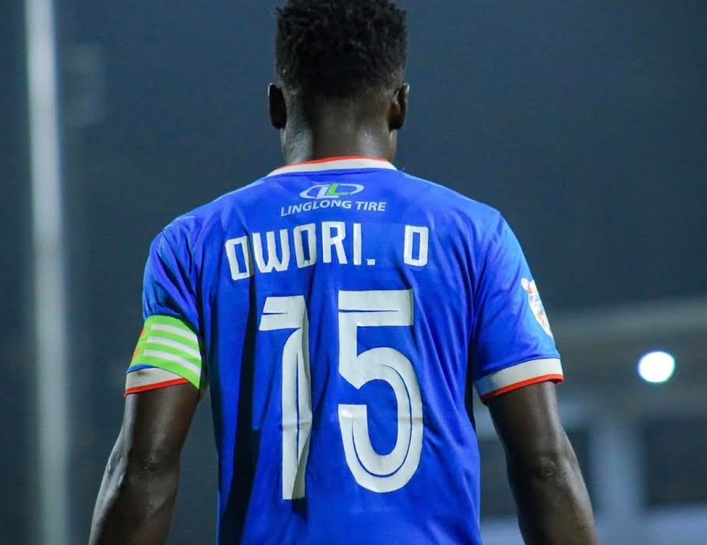
Ugandan football is in mourning this week after David Owori, the captain of SC Villa, was attacked by thugs in Kampala, robbed of his iPhone 14 Pro Max, and left in a condition so critical that he did not survive. He was rushed to Case Clinic, where he later passed away, leaving behind a club, a fan base, and a sport that is now asking hard questions about safety in the capital. But within days of his death, police had a lead, and that lead came from the very phone stolen off him in the attack.
The Phone That Talked
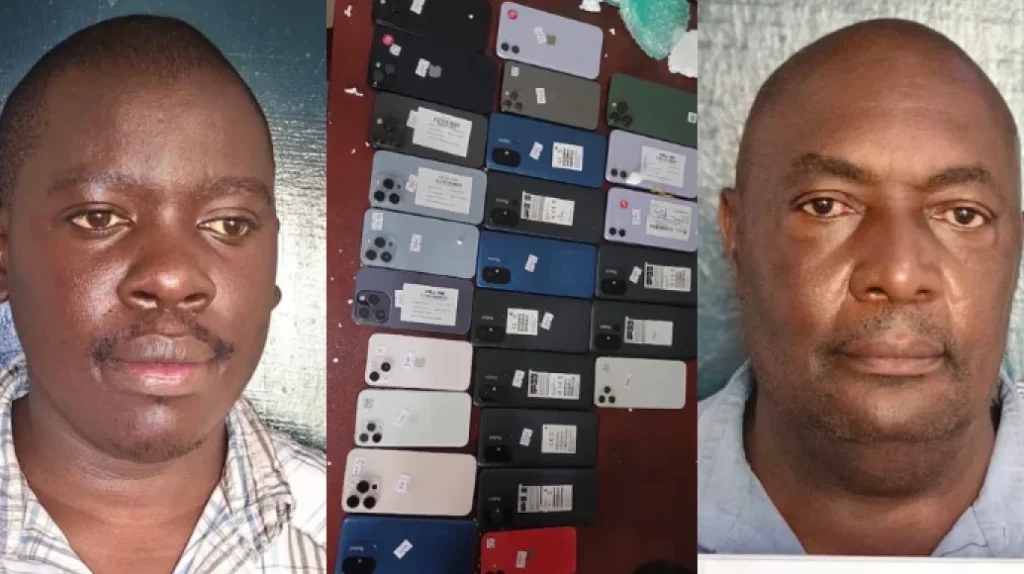
There is something almost poetic, in the darkest sense, about the fact that the device meant to silence any trail actually created one. Law enforcement tracked the stolen iPhone 14 Pro Max and the digital signal led officers directly to two individuals now at the centre of the murder investigation. According to police spokesman Kituuma Rusoke, the tracking operation identified two suspects tied to Owori’s murder: Munyaneza Bashir, who goes by the street name “Jemo” and is described as a suspected dealer in stolen mobile phones, and his associate Magoba Samuel.
Phone tracking as an investigative tool is not new, but its success in this case is a reminder of how thoroughly modern devices document their own movements. Even when a phone changes hands, the digital fingerprints remain. For a syndicate dealing in stolen handsets, that is a vulnerability they apparently underestimated.
A Cache That Tells a Bigger Story
The arrests alone would have been significant enough given the profile of the victim. But what police found alongside the suspects elevated this from a single robbery-murder case to something that looks far more systemic. Officers recovered four bags containing 137 suspected stolen phones spread across multiple brands and models.
The haul included 80 iPhones, 40 Samsung devices, 8 Redmi phones, 2 Tecno phones, 2 Infinix phones, 2 Vivo phones, 3 basic button phones, 4 motherboards, and 3 iPads. SIM cards from MTN, Safaricom, Airtel, and Lyca networks were also among the recovered items, suggesting the operation spanned across different telecom networks, possibly across borders given Safaricom’s Kenyan roots.
Kituuma also confirmed that other items recovered include ladies’ bags with identification documents, phone covers, and hard drives. That detail matters. Identification documents recovered alongside stolen electronics suggest these suspects may be connected to cases beyond phone theft, potentially including identity fraud or targeted robbery operations where victims are profiled in advance.
Who Was David Owori?
Before this tragedy, David Owori was best known as the man who wore the armband for one of Uganda’s most storied football clubs. SC Villa, based in Kampala, carries enormous weight in Ugandan football culture, and the captaincy is not a title handed out lightly. Owori represented not just the team but the community that has grown around it over decades.
His death has sent shockwaves through the local football world, with tributes pouring in from players, fans, and football administrators. Losing any young person to street violence is a tragedy. Losing someone who stood as a symbol of sporting leadership sharpens that grief into something the public cannot easily put aside.
Street Crime and the Football Community
Kampala has long wrestled with the threat of street robbery, particularly in areas that see heavy foot traffic at night. Athletes, despite their public profiles, are not insulated from this danger. In fact, their visibility can sometimes make them targets. The specifics of how Owori came to be attacked have not been fully detailed publicly, but the robbery-turned-fatal outcome fits a pattern that security advocates in Uganda have been flagging for years.
The football community, understandably, is not just grieving right now. There is anger too, and a growing call for authorities to do more to protect ordinary citizens moving through the city. When someone as recognisable as a club captain can be killed in a street robbery, the message that lands is uncomfortable: nobody is safe enough.
What Happens Next
Police have confirmed that investigations are continuing to map out the full network behind the stolen phone trade connected to these two suspects. The scale of what was recovered, 137 devices, multiple SIM cards, identification documents, hard drives, strongly suggests that Bashir and Magoba are nodes in a larger operation rather than isolated actors. Tracing the chain of custody on even a fraction of those 137 phones could open up multiple other cases.
For the families of those 137 devices’ original owners, there may now be a chance of recovery and some form of closure. For Owori’s family and his club, the arrests offer the beginning of accountability, though no verdict can undo what happened at Case Clinic this week.
The question that lingers over all of this is one that Kampala’s authorities and its citizens will need to sit with seriously: in a city where a football captain can be murdered for a smartphone, what does it actually take to make the streets safer, and who bears the responsibility to make that happen?