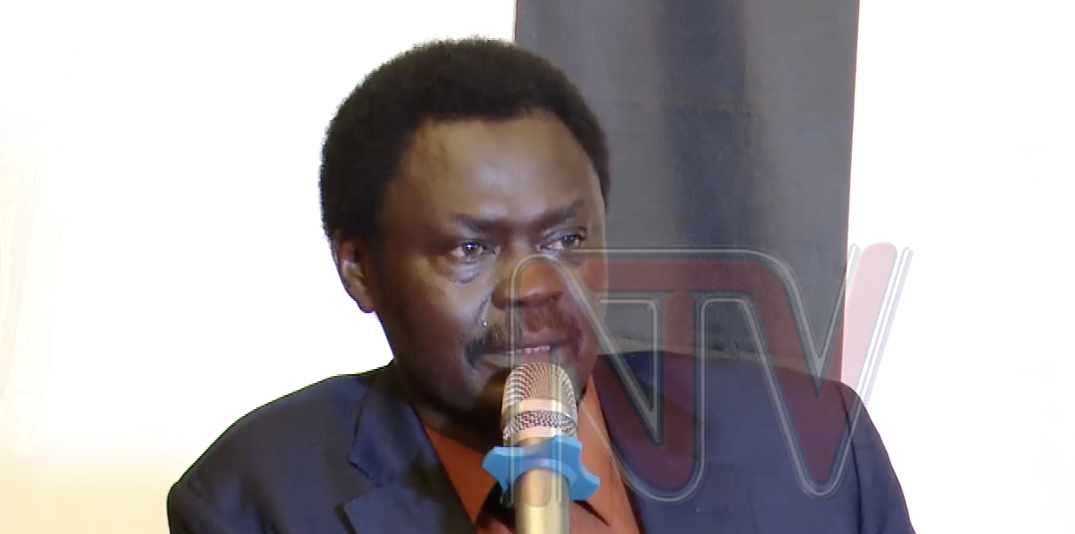
The Governor of Darfur arrived in Kampala this week carrying a message aimed at more than 96,000 Sudanese refugees sheltering in Uganda, but his visit quickly became something far more politically charged. Speaking with a clarity that left little room for diplomatic softening, the Governor condemned the leadership of the Rapid Support Forces and called for a national dialogue process that he believes could pull Sudan back from the edge of total collapse.
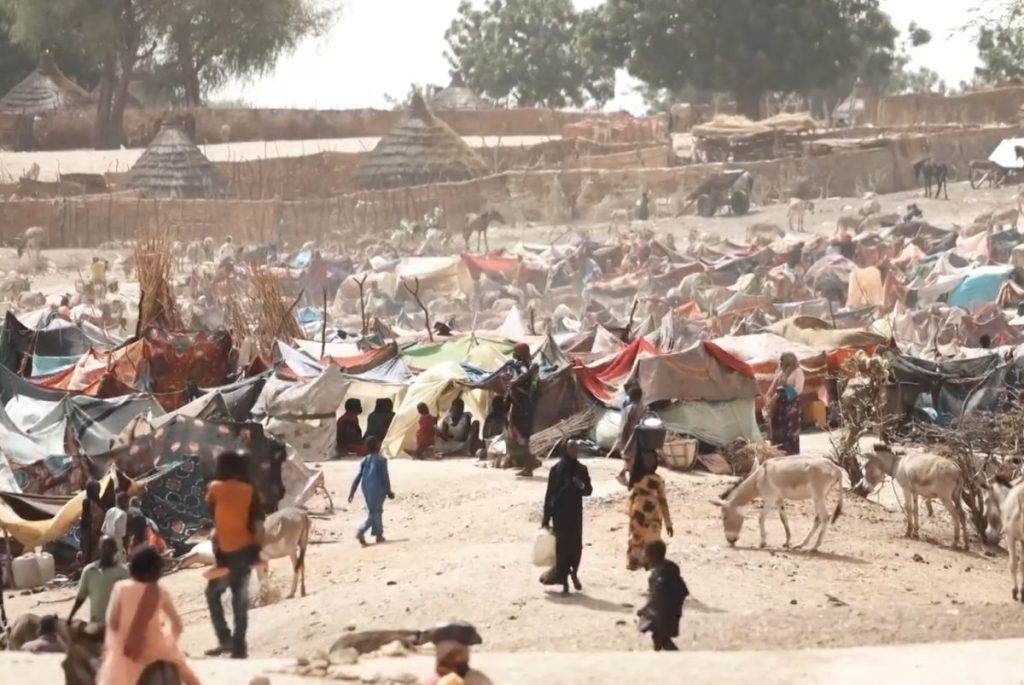
Sudan has been torn apart since fighting between the Sudanese Armed Forces and the RSF erupted in April 2023. What began as an internal power struggle between two heavily armed factions has since spiralled into one of the worst humanitarian disasters on the planet. Millions of people have been pushed from their homes. Entire cities have been reduced to rubble. And Darfur, a region that has carried the weight of conflict for more than two decades, has once again become a place synonymous with mass displacement and violence.
A Visit That Carries Weight
Kampala has quietly become a crossroads for East and Central African diplomacy, and the Governor’s visit fits into that broader pattern. Uganda hosts one of the largest refugee populations in the world, and the Sudanese community within that population has grown rapidly as the war has stretched into its third year. For those refugees, a visit from a senior official from back home is both meaningful and complicated.
According to a report by NTV Uganda, the Governor arrived with a message of hope for the Sudanese diaspora community living in Uganda, but he did not hold back when the subject turned to the RSF’s leadership. His rebuke was direct and pointed, reflecting the frustration that has built up among those who have watched Darfur bear a disproportionate share of the suffering since the war began.
The RSF Factor
Understanding why Darfur sits at the centre of this conflict requires a brief look at history. The RSF grew out of the Janjaweed militias that terrorised Darfur in the early 2000s. Its commander, Mohamed Hamdan Dagalo, known widely as Hemedti, built his power base in the region and eventually rose to become one of the most powerful military figures in Sudan. When the alliance between Hemedti and Sudan’s army chief Abdel Fattah al-Burhan collapsed in 2023, Darfur effectively became a primary battleground for two forces with deeply personal stakes in the fight.
The consequences for civilians have been devastating. Human rights groups have documented mass atrocities in Darfur, with some observers describing conditions that echo the genocide of the 2000s. The RSF has denied systematic targeting of civilians, but the evidence gathered by international investigators tells a starkly different story. The Governor’s criticism of RSF leadership in Kampala is therefore not simply political posturing. It reflects a lived reality on the ground that millions of people know all too well.
The Case for National Dialogue
What does national dialogue actually mean in a context this broken? It is a fair question, and one that Sudan’s conflict has made genuinely difficult to answer. Previous ceasefire efforts brokered in Jeddah largely fell apart. Regional bodies including the African Union and IGAD have struggled to bring the two warring sides to a table that both are willing to sit at honestly. And yet the call for dialogue persists, because the alternative, a prolonged war with no political horizon, is simply too catastrophic to accept.
The Governor’s push for dialogue from Kampala suggests that some officials within Sudan’s governmental structures see international engagement as a necessary lever. Uganda, given its regional influence and its direct stake in managing the refugee crisis that Sudan’s war has generated, is a natural audience for this kind of appeal. President Yoweri Museveni has been involved in various East African peace processes over the years, and Uganda’s capital remains a place where African political conversations happen with genuine consequence.
What the Refugees in Uganda Need to Hear
For the more than 96,000 Sudanese refugees currently living in Uganda, the Governor’s visit is a reminder that the world has not entirely forgotten them. But hope alone does not rebuild a home or guarantee a safe return. What refugees need, beyond reassuring words, is a credible political process that creates conditions for safety back in Sudan.
Many of those who fled Darfur have done so before. Some are second-time or even third-time refugees, people who returned after previous conflicts only to be driven out again when violence resumed. That cycle of displacement and return has left deep psychological scars and made many Sudanese deeply sceptical of political promises, no matter how sincerely delivered.
The Broader Stakes for the Region
Sudan’s war is not just Sudan’s problem. Uganda, Chad, Ethiopia, Egypt, and South Sudan are all managing the spillover effects in different ways. Refugee flows, cross-border arms trafficking, and the destabilising ripple effects of a large failed state create regional security challenges that no single country can manage in isolation. The Governor’s Kampala visit, whatever its immediate diplomatic outcomes, is a signal that Sudan’s various authorities understand they need regional partners to help build any path toward peace.
The numbers alone make the urgency undeniable. Sudan has produced the largest displacement crisis in the world, surpassing even the numbers seen in Ukraine at the peak of that conflict’s early phase. Millions are internally displaced within Sudan. Hundreds of thousands more have crossed into neighbouring countries. The human cost of allowing this war to continue without a serious political process is compounding by the month.
As the Governor of Darfur makes his rounds in Kampala, the question that hangs over everything is not whether dialogue is needed. Everyone agrees it is. The real question is this: can the international community, and Sudan’s own fractured political actors, finally find the will to make it happen before Darfur and the rest of Sudan pass a point of no return?