


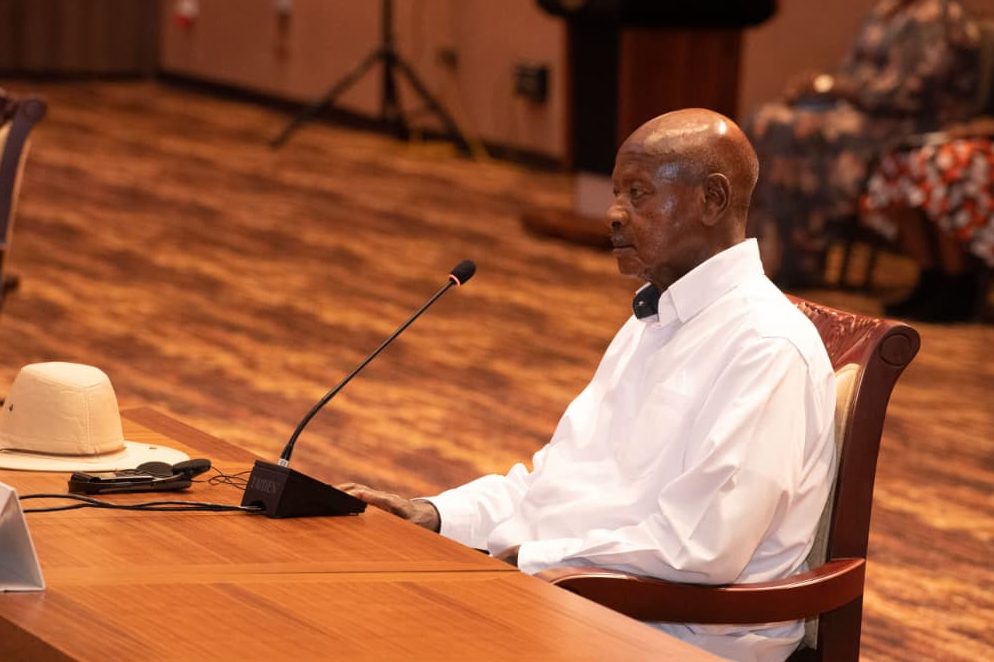




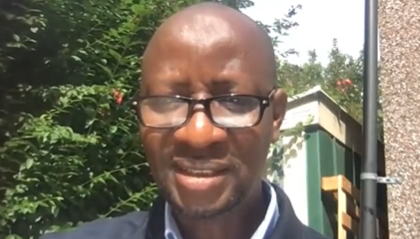
Ibrahim Ssemujju Nganda, the former Member of Parliament for Kira Municipality, has spoken openly about his choice to remain outside Uganda rather than risk returning to a country where several of his opposition colleagues are currently locked up. In an interview published this August, Ssemujju was direct: prison is not a price he is willing to pay, and he does not feel obligated to apologize for that position.
A Calculation, Not a Retreat
Ssemujju left Uganda in June, departing initially under the cover of religious commitments. The timing was not coincidental. Days before he travelled, Chief of Defence Forces Gen Muhoozi Kainerugaba had publicly named him and Leader of the Opposition Joel Ssenyonyi as figures who would be “next” following the arrest and prosecution of Erias Lukwago on a charge of misprision of treason. When a general with that kind of institutional weight points a finger at you by name, the calculus changes fast.
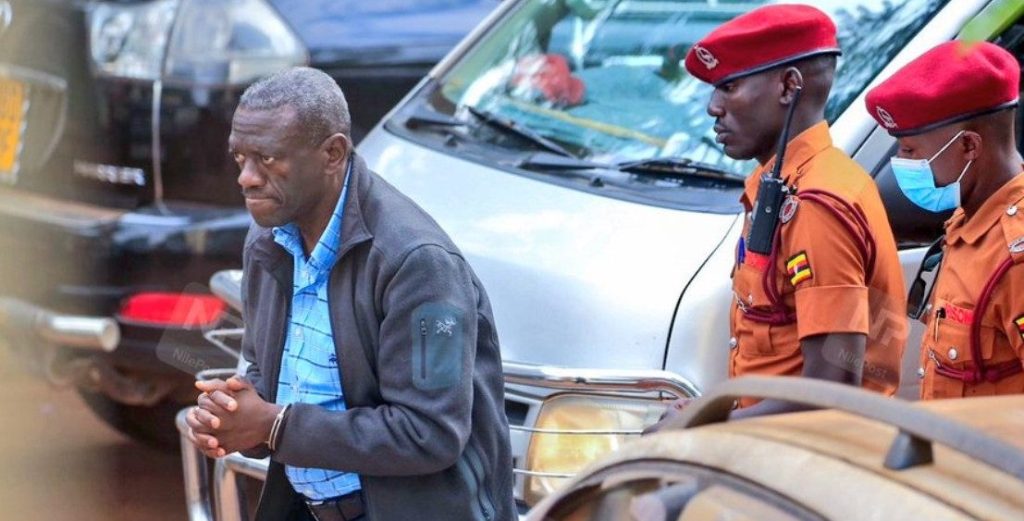
Speaking to journalist Baker Batte, Ssemujju weighed his options with a clarity that some may find uncomfortable and others will find entirely rational. He pointed directly to what has happened to his colleagues as the frame for his thinking. Dr Kizza Besigye and Erias Lukwago remain held at Luzira Prison. Former Butambala County MP Muhammad Muwanga Kivumbi has cycled in and out of detention over terrorism-related charges at Kitalya Prison. And Sam Mugumya, by Ssemujju’s own description in the interview with Chimpreports, is in what he called possibly the worst situation among them.
The Argument for a Voice That Stays Free
Ssemujju’s core argument is a practical one about utility. He acknowledged that there is symbolic value in going to prison, that the image of a jailed dissident carries moral weight and can galvanize public sentiment. But he questioned whether that symbol does the actual work of opposition politics.
“If I go to prison like the Honorable Erias Lukwago and Doctor Kizza Besigye, maybe the worst is Sam Mugumya, will I still be making a contribution?” he said, framing the question not as defeatism but as a hard-nosed assessment of where his effort produces results.
His answer was that it would not. From outside Uganda, he argued, a politician can still conduct research, share information across networks, and coordinate with other actors in ways that detention makes impossible. The prison cell, no matter how symbolically potent, is still a cell. It does not broadcast, it does not organize, and it does not reach the people who need to be reached.
Not a Blueprint for Everyone
Ssemujju was careful to present his position as a personal one rather than a prescription for the broader opposition. He said plainly that some people will go to prison, others will go silent, and each individual or group will make their own assessment before arriving at a decision. His decision, as of now, is to stay out and keep talking.
The reference to “the basement” was striking. He described it as a torture chamber and said he had no interest in giving Muhoozi Kainerugaba that satisfaction before being transferred to Kitalya or Luzira. It was a raw statement, the kind that strips away political language and gets to the personal reality of what opposition figures in Uganda now face.
A Wider Crisis for Ugandan Opposition Politics
What Ssemujju’s remarks put into sharp relief is the broader predicament of Uganda’s opposition in 2026. The detention of Besigye, Lukwago, Kivumbi, and Mugumya represents a significant portion of prominent critical voices either silenced or severely constrained. When leaders of that profile are behind bars, the movement’s capacity to function, to plan, to speak publicly, takes a serious hit.
Exile is not a new tool in the political toolkit. Across Africa and beyond, opposition figures have used time abroad to build international pressure, seek legal remedies, and maintain contact with diaspora communities who carry both financial and diplomatic weight. Whether Ssemujju can convert his freedom into that kind of strategic value remains the open question.
For now, he is choosing the longer game. Whether Uganda’s political climate will shift enough to make a return viable, or whether he will join a growing list of exiled voices whose influence gradually fades with distance, is something only time will answer.
What This Moment Reveals
There is something worth sitting with in Ssemujju’s candour. Many politicians in his position would couch their exile in grander language, framing it as a strategic mission rather than a frank choice between personal safety and symbolic sacrifice. He did not do that. He said, essentially, that he would rather be useful than imprisoned, and that this is his call to make.
It is a human statement in a situation that strips politics down to its most basic terms: what are you willing to lose, and what do you believe you can still do with what remains?
Uganda’s opposition is navigating a landscape where the personal cost of dissent has become very concrete, and where every figure still free is making calculations similar to Ssemujju’s, whether they say so publicly or not.
The question worth asking is this: when the price of showing up is Luzira or Kitalya, how does a political movement sustain itself, and who decides which voices are worth the risk of staying?