


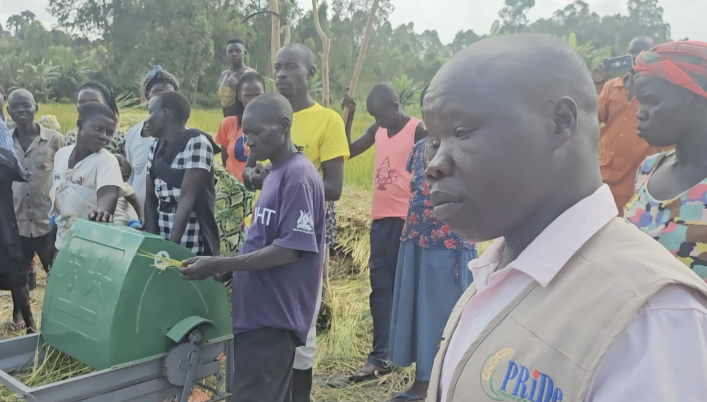
They came down from the hills carrying whatever they could grab. Children on backs, a few belongings wrapped in cloth, and the memory of the earth literally moving beneath their feet. The landslides that tore through the slopes of Mount Elgon in the Sebei sub-region sent hundreds of families scrambling for safety, most of them ending up at the Tulel displacement camp in Bukwo District. That was supposed to be the short story. Shelter first, then home. But for many of these residents, the short story has become a long, grinding wait, and some are now saying they would rather risk returning to the unstable hillsides than spend another day in the camp.
A Refuge That No Longer Feels Like One
Displacement camps are never comfortable. That is an understood reality in any crisis. But there is a particular kind of suffering that sets in when temporary becomes indefinitely temporary, when people who were told they would be home soon begin to realise that nobody actually knows when soon will arrive. That is where the residents of Tulel find themselves right now.
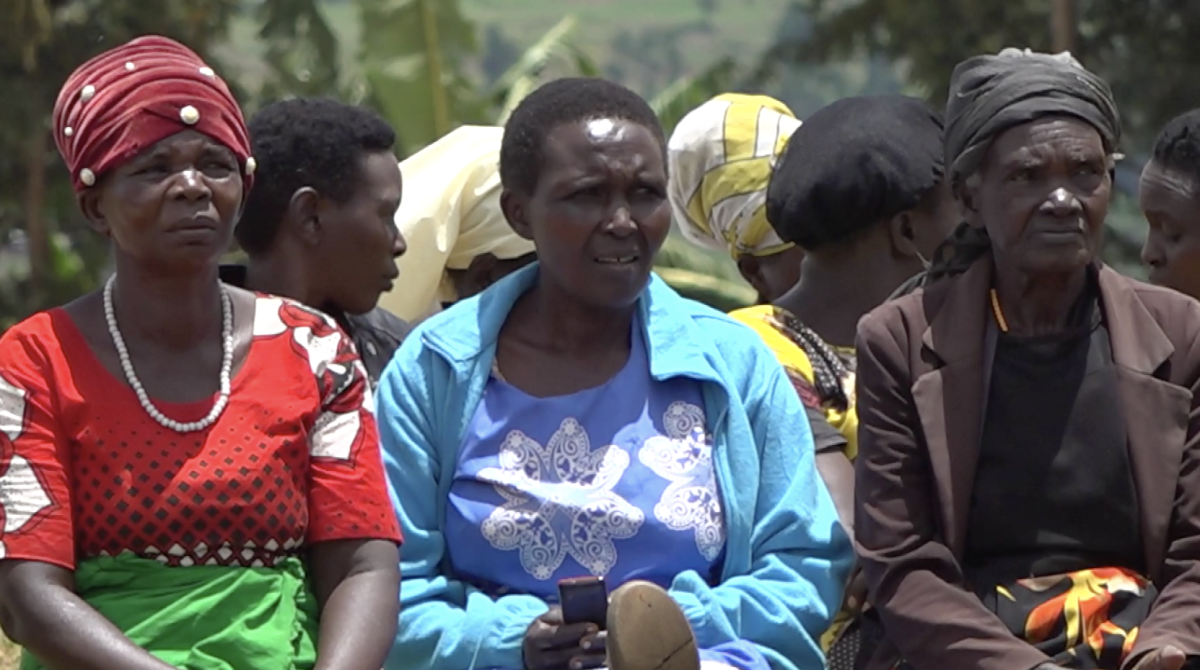
According to NTV Uganda’s reporting from the region, residents are now expressing a desperate desire to return to the very mountain slopes they fled, even as they acknowledge the ongoing risks of another landslide. The conditions inside the camp have eroded their resilience to the point where a known danger feels preferable to an unknown future.
That is not a small thing. When people choose a mountain that might collapse over a camp that is supposed to protect them, it tells you everything about what life inside that camp has become.
What Drives People Back Toward Danger
Understanding this psychology is important, because on the surface it looks irrational. Go back to the slope that nearly killed you? Why would anyone choose that? But look closer, and the logic becomes painfully clear.
For many of these communities, the mountains of Elgon are not just geography. They represent livelihoods, farmland, ancestral roots, and social identity. Leaving the slopes means leaving the gardens that feed families. It means leaving the animals, the structures, the rhythms of a life built over generations. A camp, by contrast, offers none of that continuity. There is no farming, limited food supply, cramped conditions, and a creeping sense of purposelessness that grinds people down day after day.
Add to that the uncertainty of resettlement and the lack of clear communication from authorities about when or whether displaced families will receive land elsewhere, and what you get is a population that has simply stopped trusting that the system will take care of them. At that point, returning home, even at risk, starts to feel like the only form of agency they have left.
The History Behind the Hazard
Mount Elgon has a well-documented history of deadly landslides. The region’s steep terrain, combined with periods of heavy rainfall and deforestation over the years, makes it one of Uganda’s most geologically active and disaster-prone highland areas. Past landslide events have claimed lives and wiped out entire homesteads, yet population pressure and limited alternative land has consistently pushed communities back onto the slopes.
This cycle, flee, shelter, return, repeat, is not new. What is different this time is the scale of displacement and the prolonged stay at Tulel camp, which has stretched the limits of what affected families can psychologically absorb. Camp life was designed as a bridge, not a destination. But without a clear path to permanent resettlement or a scientifically verified declaration that it is safe to return, the bridge leads nowhere.
The Human Cost of Prolonged Displacement
Beyond the physical hardships, the mental health toll of extended camp living is severe and rarely discussed in mainstream coverage of these crises. Children who should be in school are growing up in limbo. Adults who were farmers, traders, and community leaders are sitting idle, their skills and their dignity slowly eroding. The social fabric that held these Sebei communities together is under enormous strain.
Families separated during the initial disaster have sometimes struggled to reunite. Elderly residents, who find the camp environment particularly disorienting, often carry the deepest grief. For them, returning to the land is not just a practical desire. It is a fundamental need, tied to identity, to memory, to the very sense of who they are.
When people describe their yearning to go back to the mountain as something they feel compelled toward even knowing the risks, what they are really describing is the weight of displacement becoming heavier than the fear of natural disaster. That is a humanitarian alarm bell, not a logistical footnote.
What Needs to Happen Now
Uganda’s Office of the Prime Minister and the relevant district authorities in Bukwo need to treat the Tulel camp situation with fresh urgency. A proper geological assessment of the affected slopes should be completed and its findings communicated clearly to residents. If certain areas are declared unsafe for habitation permanently, then credible, fully resourced resettlement options need to be activated without further delay.
Where a return is deemed possible with risk mitigation measures in place, including slope stabilisation, early warning systems, and community training in disaster preparedness, a structured and supervised process should be designed. Leaving people in limbo while they make dangerous individual decisions to return is not a policy. It is an abdication.
Development partners and non-governmental organisations working in the region also have a role. Psychosocial support, livelihood restoration programmes inside or near the camp, and practical education for children are all interventions that could reduce the desperation driving people back toward unsafe terrain.
A Community Caught Between Two Kinds of Risk
The people of Tulel are not being reckless. They are making a calculation that the people in charge of their welfare have not yet provided them with a better option. The mountain might shift again. But sitting in a camp with no land, no income, and no timeline feels, to many of them, like a different kind of slow collapse.
There is something deeply uncomfortable about a situation where the most dangerous option still seems like the best one available. It forces a question that decision-makers in Kampala and Bukwo District headquarters cannot afford to keep ignoring.
If the people displaced by the Mount Elgon landslides are choosing risk over relief, what does that say about the quality of the relief being offered? And how much longer can a community be expected to wait before someone in authority actually answers that question?